Ma boutique
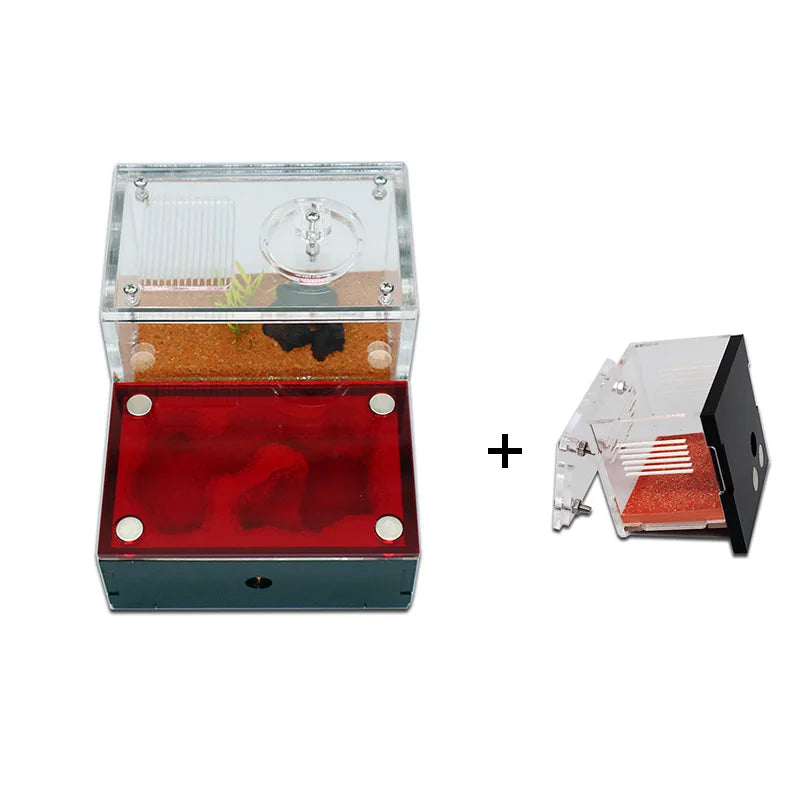
Yellow Soil Ant Farm Kit with Water Tower and Queen Area
Yellow Soil Ant Farm Kit with Water Tower and Queen Area
Couldn't load pickup availability
Technical Details
Yellow Soil Ant Farm Kit with Water Tower
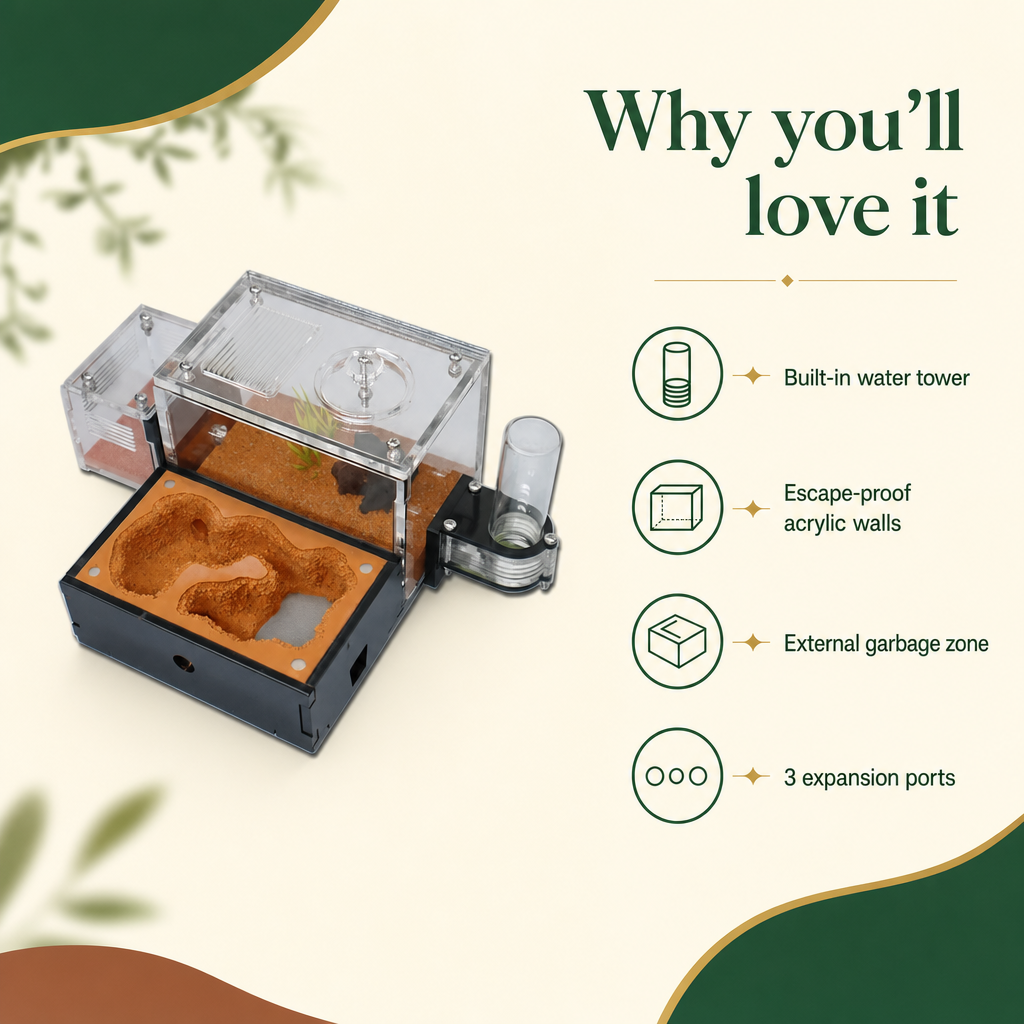
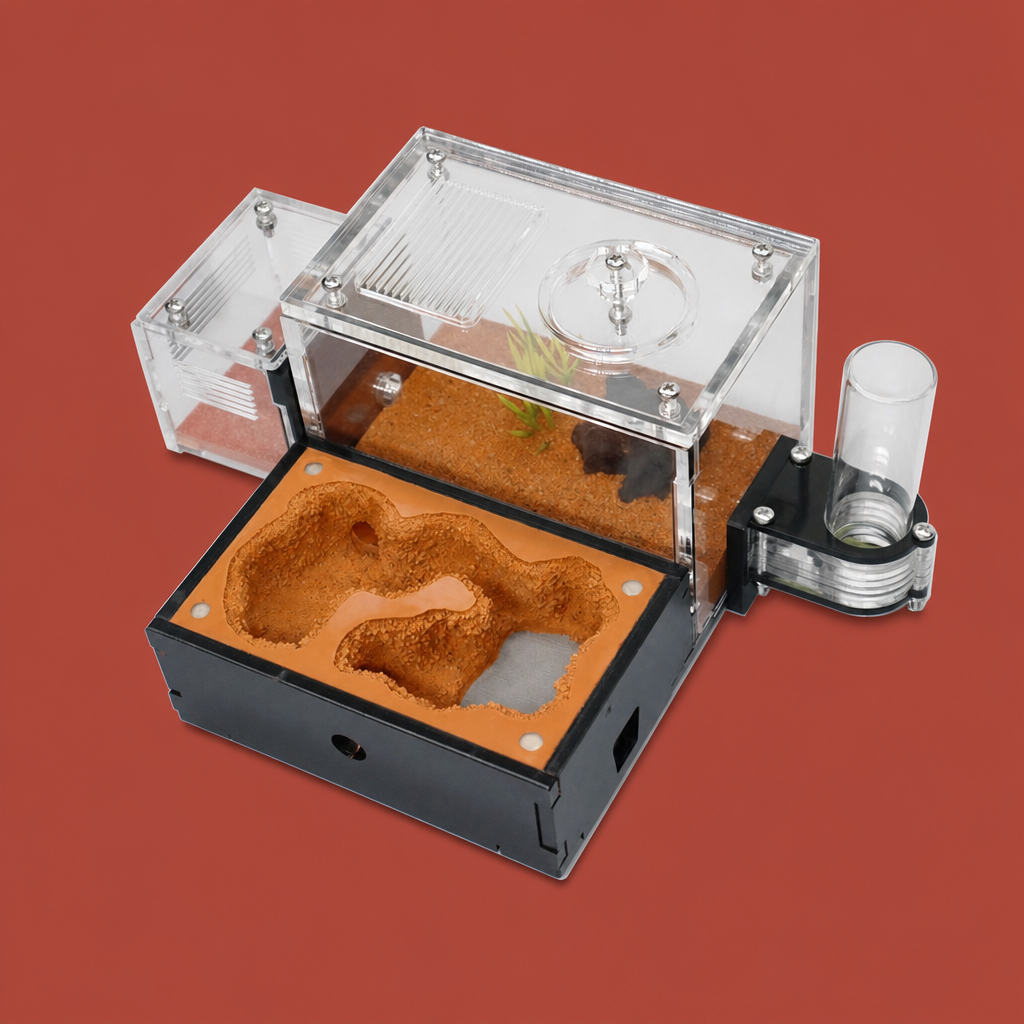
This yellow soil ant farm kit is a 3D-printed formicarium designed for small to medium ant colonies. It features a dedicated queen area for founding colonies, an integrated water tower humidity system, and a separate garbage zone to keep the nest clean. The nest is made from yellow-tinted PLA, a non-toxic 3D-printing material. It suits beginner and intermediate keepers alike. Check our ant keeping humidity and temperature guide before setting up, and browse our full ant farm kits collection to compare options.
Why It Matters
Your Queen Finally Has Her Own Space
From the moment your queen lays her first eggs, she needs calm, darkness, and stable humidity. This ant farm kit gives her a dedicated founding chamber so she is never disturbed by foragers or waste. You stop improvising with test tubes and tape. Everything your colony needs to grow from a single queen to a thriving group is already built into one compact, purposeful setup.
Product Details
Yellow Soil Ant Farm Kit, Built to Last
The nest is 3D-printed in PLA, a non-toxic material that is safe for your ants and easy to handle. The warm yellow soil tint is not just aesthetic: it mimics the earthy tones ants naturally seek, helping them settle faster. The water tower feeds passive humidity into the nest without flooding. A separate garbage area means workers deposit waste away from the queen and brood, keeping the colony healthier with zero effort from you.
In Real Use
Set It Up, Then Watch Them Move In
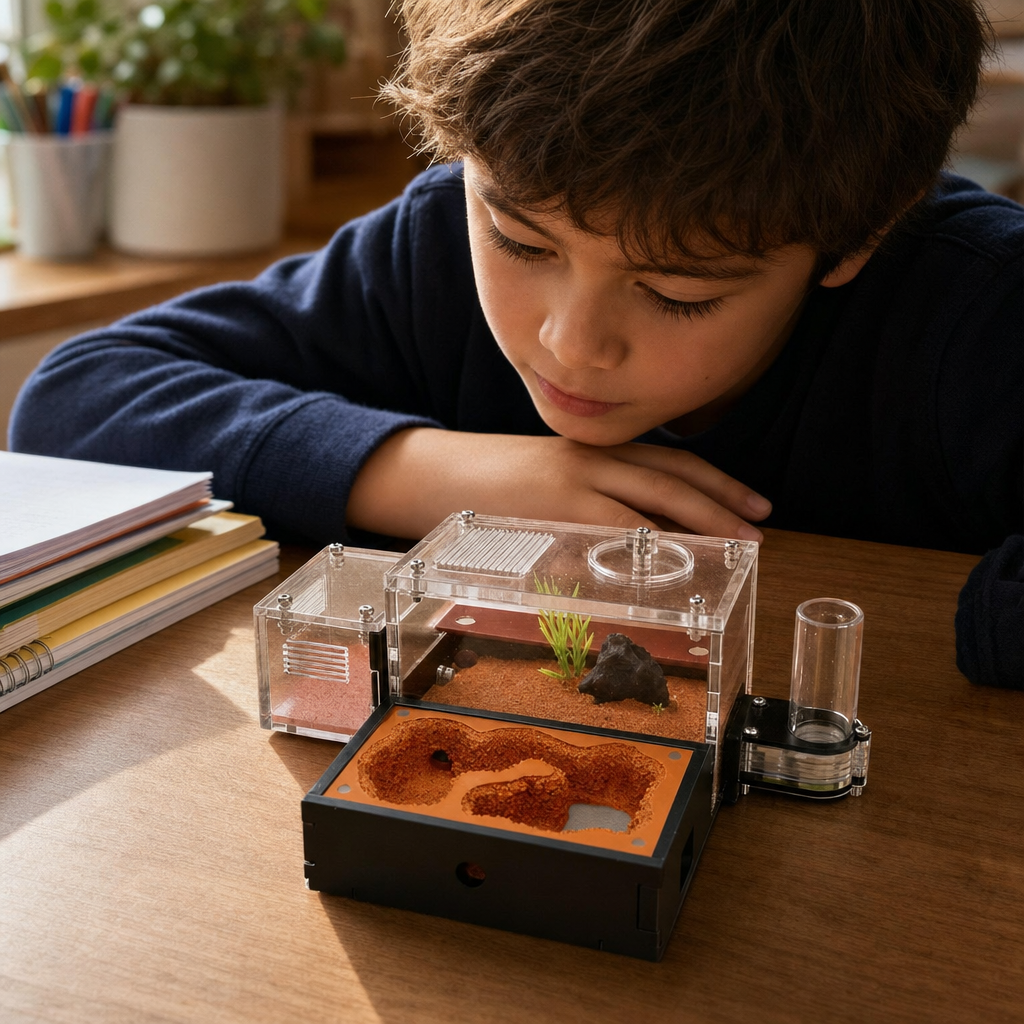
You fill the water tower, place your newly caught queen in the queen area, and connect the outworld. Within hours, workers start organizing: brood moves toward the humid zone, waste gets carried to the garbage corner. You are not guessing whether humidity is right. The system handles it. Whether you are keeping Lasius niger (the common black garden ant) or a small Camponotus colony, the layout works from day one.

Keeper's Verdict
Less Maintenance, More Time Watching
The water tower is the feature keepers notice first after a few weeks. You top it up every few days instead of misting twice daily and stressing about condensation. The garbage area is the second win: the nest stays visually clean, which matters when the formicarium is on your desk. For anyone moving from a test tube setup to their first real ant farm kit, this yellow soil nest removes the three most common beginner headaches at once.
FAQ
Your Questions Answered
What ant species work best in this yellow soil ant farm kit?
It is designed for small to medium colonies, so species like Lasius niger (common black garden ant) or small Camponotus fit well. Larger, high-humidity species may need additional outworld space. Check our best ant species for beginners guide if you are still choosing your first colony.
How does the water tower humidity system work?
You fill the water tower reservoir and it passively diffuses moisture into the nest through the material. This keeps humidity stable without daily misting. You simply top it up every few days depending on your room temperature and ambient humidity.
Can I use this nest for a founding queen with no workers yet?
Yes. The dedicated queen area is specifically designed for the founding stage, when your queen is alone or has only a handful of workers. It provides the darkness and stable humidity she needs before the colony grows large enough to fill the rest of the nest.
Is the PLA material safe for ants?
PLA is a non-toxic 3D-printing material and is widely used in ant keeping. It does not off-gas harmful chemicals under normal room temperatures, making it safe for your queen, brood, and workers throughout the colony's life in the nest.
What is the garbage area and do I need to clean it manually?
The garbage area is a dedicated zone where worker ants naturally deposit waste, dead nestmates, and food debris. Workers do this instinctively, keeping the queen and brood area clean. You can remove accumulated waste from this zone periodically without disturbing the rest of the colony.