Skip to product information
1 of 13

Ma boutique

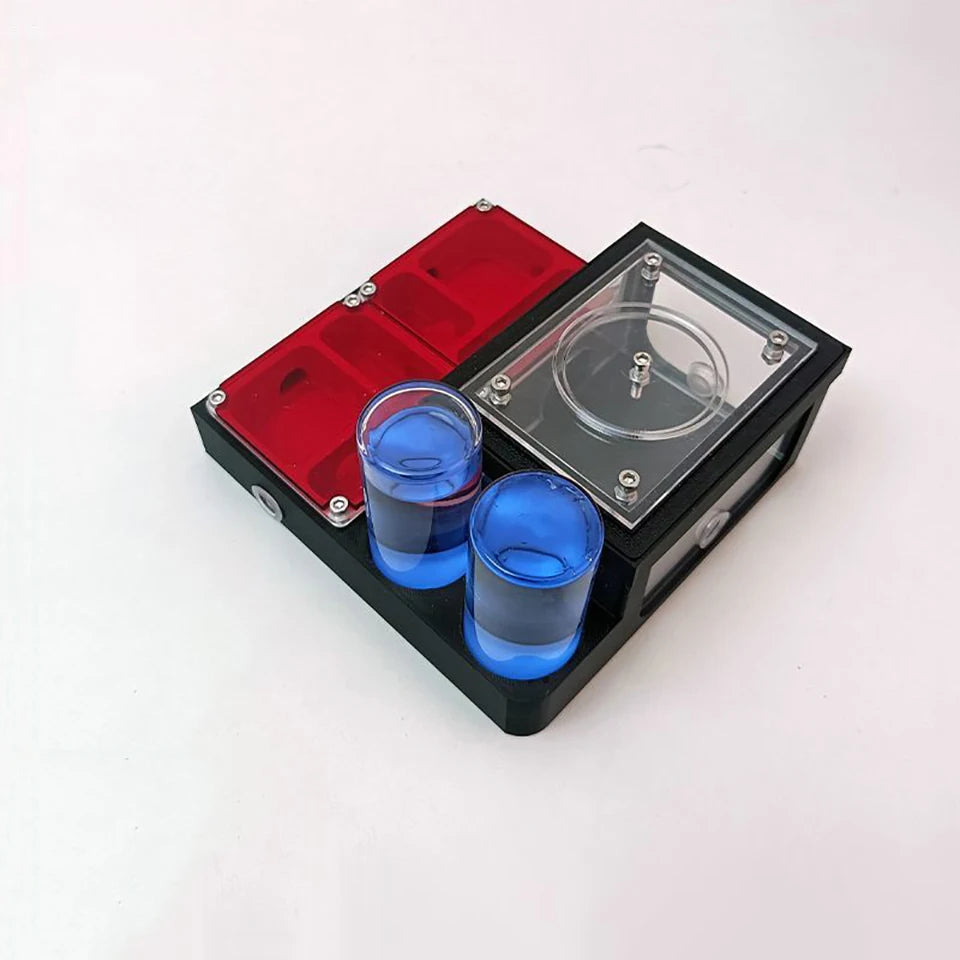
Large DIY Ant Farm Villa - 3D Printed Nest, 12.5x13.5cm

Large DIY Ant Farm Villa - 3D Printed Nest, 12.5x13.5cm

Regular price €42,95 EUR
Regular price €41,95 EUR Sale price €42,95 EUR
Sale Sold out
Taxes included. Shipping calculated at checkout.
Color
Quantity

Your first 3D printed DIY ant farm should teach you something real about how a colony works, not just look good on a shelf. This large villa-style nest gives you a proper cross-section view of tunnels, chambers, and foraging zones in a footprint that fits any desk or classroom table.

  • Ships in original carton packaging
  • No harmful chemicals in materials
  • Ready to assemble, no tools needed

Most beginner ant farms are flat, featureless, and boring after two weeks. The colony fills the single chamber, you stop seeing anything interesting, and the setup ends up in a drawer. I made that mistake with my first Lasius niger (the common black garden ant, one of the best species for beginners) colony. The nest was too small and too simple to show me anything worth watching.

This 3D printed villa format is a different approach. The layered structure gives ants actual vertical space to organize, which means you start seeing real colony behavior: workers sorting brood by developmental stage, foragers taking specific routes, the queen staying deep in the warmest chamber. At 12.5 x 13.5 x 6 cm, it is large enough to house a founding colony through its first growth phase without needing an immediate upgrade.

The black plastic body is not just an aesthetic choice. Ants prefer low-light nesting conditions, and the opaque walls keep the inner chambers dark enough that the colony settles in quickly rather than spending days trying to block the light themselves. You lift the viewing panel when you want to observe, then replace it. Simple, and it actually works.

Why this 3D printed ant farm villa outperforms flat starter nests

Multi-chamber ant farm layout you can actually read

Separate zones let you watch brood sorting, foraging traffic, and queen positioning all at once, instead of guessing what is happening in a single flat cavity.

DIY assembly that teaches ant nest structure

Putting it together yourself is half the education: you understand how tunnels connect before a single ant moves in, which makes observation far more meaningful.

Science gift for kids that holds attention past week one

The villa format gives young keepers new things to notice every day, from tunnel expansion to brood relocation, keeping curiosity alive through the whole founding stage.

Desk-sized ant farm that fits any setup without dominating it

At 12.5 x 13.5 x 6 cm, this nest sits comfortably on a school desk, a bedroom shelf, or a classroom table without requiring a dedicated stand or extra space.

3D printed ant farm villa: full specifications at a glance

Dimensions 12.5 x 13.5 x 6 cm (L x H x D)
Material Plastic (no high-concern chemicals)
Color Black
What's in the box Ant farm components, carton packaging
Assembly Self-assembly required (no tools needed)
Intended use Ant farm, insect observation, science education
Format 3D printed villa, multi-chamber layout

Setting up and maintaining your DIY ant farm nest correctly

  • Assemble all sections before introducing any ants. Lay the parts out, check each connection point, and make sure the viewing panel seats flush so workers cannot find a gap to exploit.
  • Place the nest in a stable spot away from direct sunlight and strong vibrations. Species like Lasius niger or Formica fusca (the slender black ant) settle fastest when the nest temperature stays between 22 and 26 degrees Celsius.
  • Keep a small water tube or cotton-plugged test tube near the outworld entrance for moisture. Do not pour water directly into the nest chambers: plastic does not absorb excess humidity the way gypsum does, so flooding is a real risk.
  • Avoid placing the nest under a bright lamp for extended periods. The black body helps, but prolonged heat from a bulb can push internal temperatures above what most temperate species tolerate comfortably.
  • Clean the outworld area weekly with a dry cotton swab. The nest chambers themselves rarely need intervention: let the workers manage waste removal on their own schedule.
  • When the colony outgrows the villa (workers start clustering at the entrance with nowhere to expand), connect an additional outworld or a secondary nest rather than replacing this one. The 3D printed format pairs well with modular acrylic and gypsum formicariums as expansion units.

Who this DIY ant farm is genuinely right for

This nest suits you if you are setting up your first colony and want something that shows real behavior without a steep learning curve. It works equally well for a parent buying a science education gift for kids aged 8 and up, a teenager who just caught their first queen during summer nuptial flight season, or a classroom teacher who wants a low-maintenance live observation unit. The self-assembly step is an asset here, not a drawback: it turns setup into part of the lesson.

It is probably not the right fit if you are already running a mature Camponotus (carpenter ant) colony of several hundred workers, or if you want a formicarium you can expand laterally with tubes and outworlds right out of the box. For those setups, check out our large modular formicarium collection.

3D printed ant farm villa: questions buyers ask before ordering

What ant species actually fit and thrive in this nest size?
At 12.5 x 13.5 x 6 cm, this villa works best for founding colonies and small established colonies up to roughly 50-150 workers. Beginner-friendly species like Lasius niger (common black garden ant) and Formica fusca are ideal. Avoid large Camponotus species or any colony already past 200 workers: they will outgrow the space within weeks and stress the colony. If you are not sure which species to start with, our beginner species guide walks through the options honestly.
How long does shipping take, and does the nest arrive assembled?
The nest ships disassembled in carton packaging, which protects the 3D printed parts during transit. Delivery times depend on your location and the shipping method selected at checkout. The assembly itself takes 10-20 minutes with no tools: parts clip or slot together, and the process is straightforward enough for a child to do with light adult supervision.
Will the plastic hold up over time, and is it safe for ants?
The product listing confirms no high-concern chemicals in the materials, which is the baseline you need for any ant-safe enclosure. Plastic formicariums do not absorb humidity the way gypsum does, so they tend to stay structurally stable for years as long as you avoid dropping them or exposing them to sustained heat above 35 degrees Celsius. The black color also resists UV fading better than clear or white plastics.
How does this compare to a gypsum or acrylic formicarium at a similar price?
Gypsum nests absorb and redistribute moisture naturally, which makes humidity management easier for beginners keeping moisture-sensitive species. Acrylic nests offer full visibility from all sides. This 3D printed villa sits between the two: it gives you a structured multi-chamber layout and the DIY assembly experience that neither gypsum nor flat acrylic provides, but you manage humidity externally via a water tube rather than through the nest walls. For a side-by-side comparison of nest types, see our formicarium materials guide.
View full details