Ma boutique
DIY Large Acrylic Ant Farm with Feeding Area - 6-Layer Nest
DIY Large Acrylic Ant Farm with Feeding Area - 6-Layer Nest
Couldn't load pickup availability
Technical Details
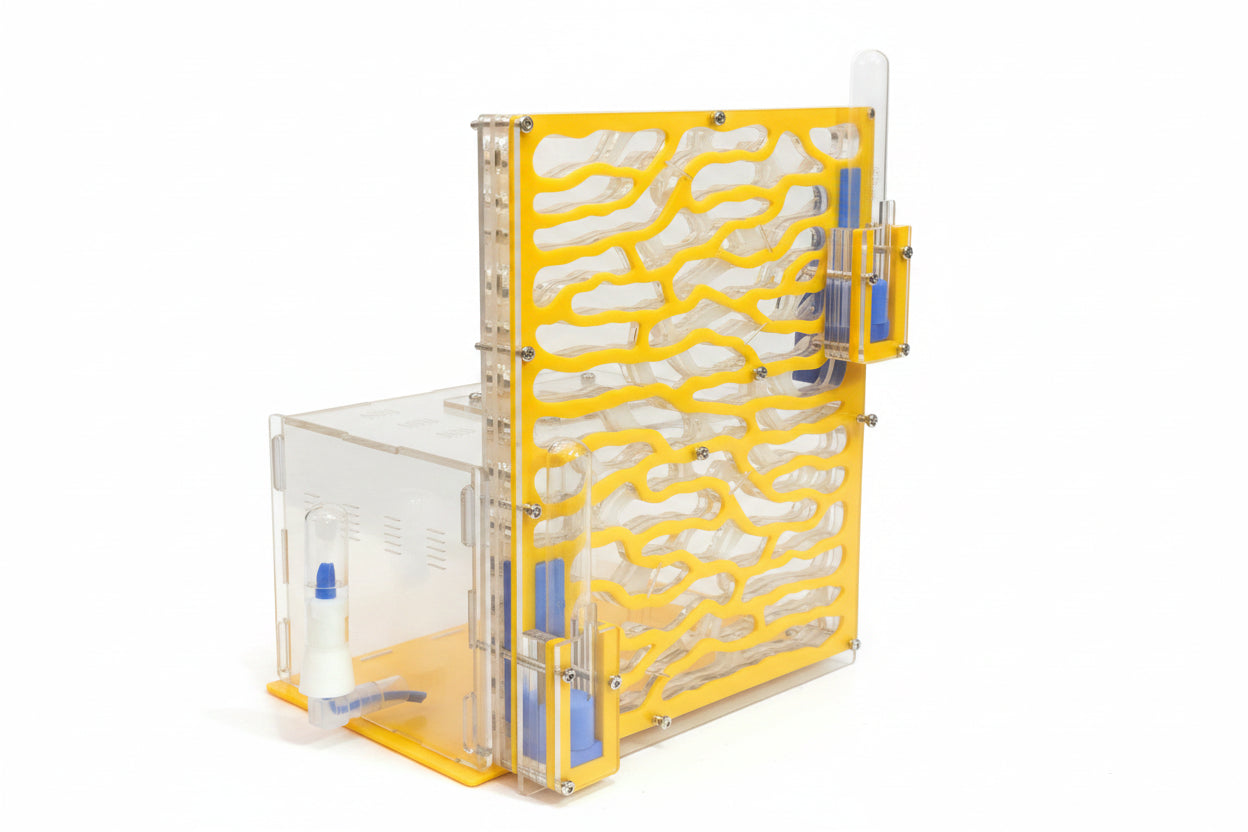
Large Acrylic Ant Farm, 6-Layer DIY Nest
This large DIY acrylic ant farm features a 6-layer nest design with a dedicated feeding area, built for small to medium ant colonies ready to grow. The transparent acrylic panels let you observe every tunnel and chamber without disturbing your ants. The modular, DIY assembly means you set it up your way. Designed for hobbyist keepers who want a scalable, visible formicarium without jumping to a full custom build. If you're just getting started, our ant keeping for beginners guide pairs perfectly with this setup. Browse more options in our ant nests collection.
Why It Changes Everything
Watch Your Colony Thrive, Layer by Layer
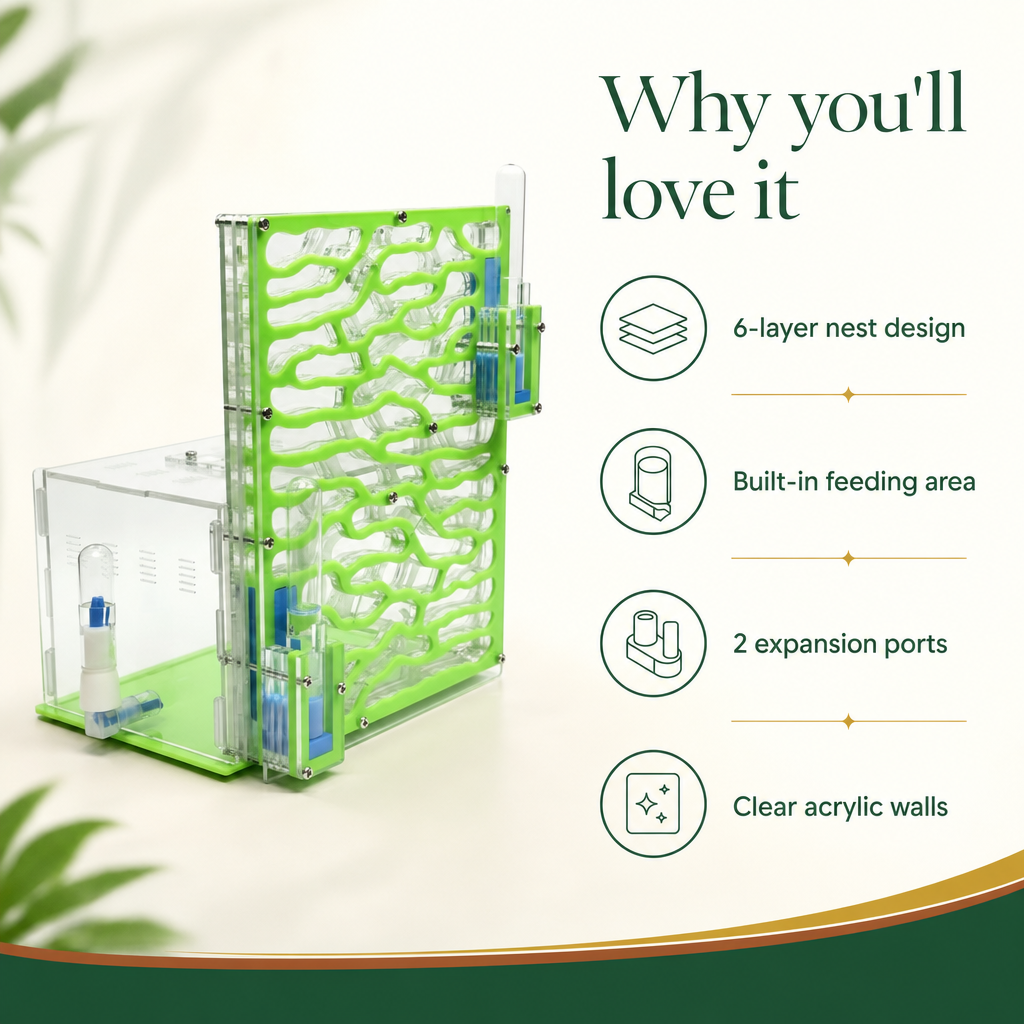
Most starter nests give you one chamber and a lot of guesswork. This 6-layer acrylic ant farm opens up the whole picture: brood rooms, worker traffic, foraging runs to the feeding area, all visible at once. You stop wondering what's happening inside and start actually watching your colony build its world. That shift from guessing to seeing is what keeps keepers hooked for years.
Build & Materials
Clear Acrylic, Six Layers, One Solid Setup
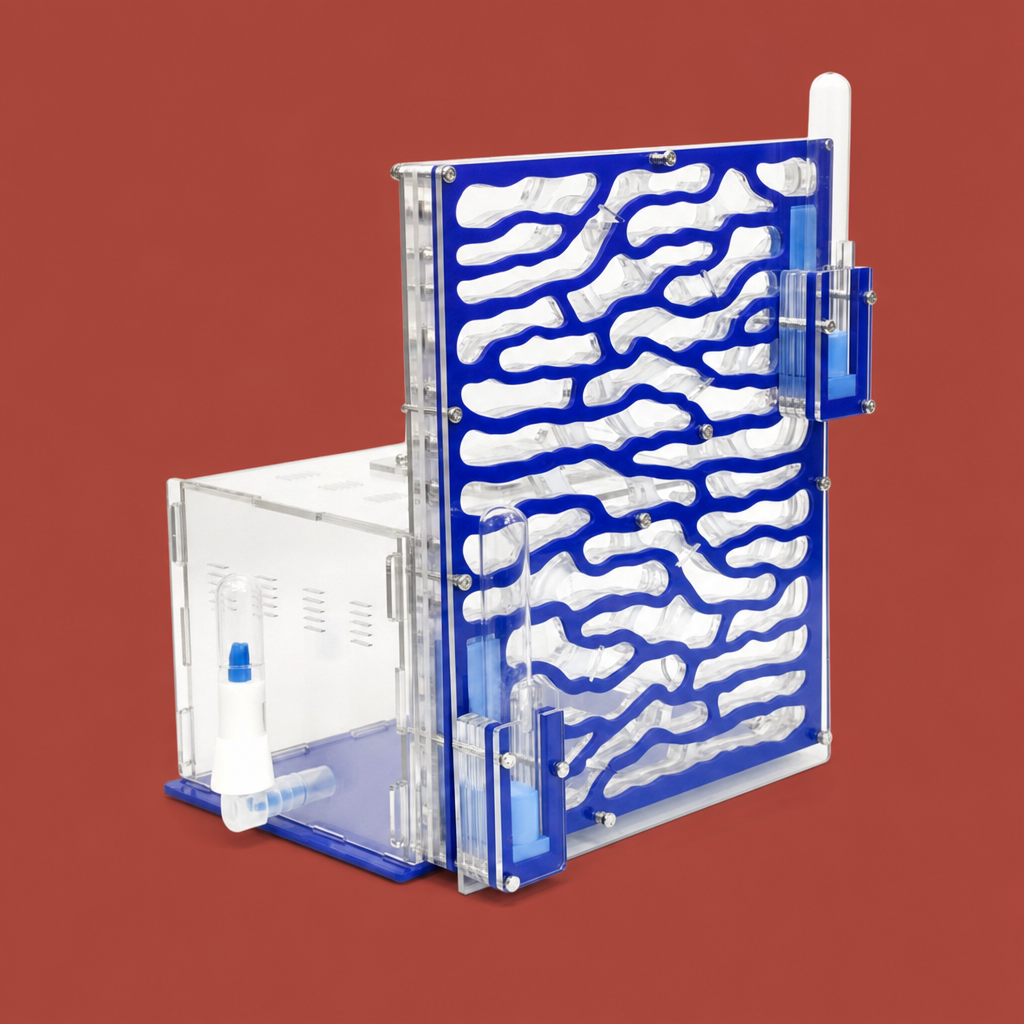
The nest is built from transparent acrylic, which means zero blind spots and a clean, scratch-resistant surface that stays clear over time. The 6-layer structure gives your colony genuine vertical depth to work with, and the separate feeding area keeps food mess away from the nest proper. The DIY assembly is straightforward: you put it together yourself, so you understand every connection before your ants move in.

The Setup in Real Life
From Flat-Pack to First Foragers in One Afternoon
Picture a Saturday afternoon: you lay out the acrylic panels, click the layers together, and fill the feeding area before introducing your Lasius niger (common black garden ant) workers. Within hours they are already mapping the tunnels. The transparent walls mean you can pull up a chair, watch the first foragers carry food back through the chambers, and actually understand what your colony needs next.

Practical Daily Use
A Large Acrylic Nest That Earns Its Space
Feeding is simple because the dedicated feeding area is physically separated from the nest layers, so you open one zone without stressing the whole colony. Cleaning stays manageable for the same reason. The acrylic wipes down easily, and the modular DIY structure means you can disassemble a single layer if you ever need to. For a large acrylic ant farm you use every day, that kind of access matters more than you think.
FAQ
Your Questions Answered
What ant species work best in this 6-layer acrylic ant farm?
This nest suits small to medium colony species well. Common choices like Lasius niger (black garden ants) or early-stage Camponotus (carpenter ants) colonies fit comfortably. The 6-layer depth gives growing colonies room to expand without feeling overcrowded too quickly.
Is the DIY assembly difficult for a beginner?
The DIY build is designed to be approachable. You assemble the acrylic panels layer by layer, which also helps you understand the nest layout before your ants move in. No specialist tools are required. If you want extra guidance, our ant keeping for beginners guide walks through the basics.
Does the feeding area connect directly to the nest layers?
Yes. The feeding area is a dedicated, separate zone connected to the nest structure. This separation keeps food debris out of the main nest chambers, which makes daily feeding cleaner and reduces disturbance to the colony during maintenance.
How do I maintain humidity in this acrylic nest?
Acrylic does not absorb moisture the way plaster or sand nests do, so you manage humidity by adding a water source or damp substrate in the appropriate chamber. Keeping one side of the nest slightly more humid than the other gives your colony a gradient to self-regulate. Check our ant keeping humidity and temperature guide for species-specific ranges.
Can I expand this nest as my colony grows?
The modular DIY design means the setup can be adapted, and the 6-layer structure already provides meaningful depth for a growing colony. For colonies that outgrow this nest entirely, the feeding area can also be connected to an external foraging arena to extend the available space.