Ma boutique
Big Villa Acrylic Ant Farm with Moisture Chamber
Big Villa Acrylic Ant Farm with Moisture Chamber
Couldn't load pickup availability
Technical Details
Big Villa Acrylic Ant Farm with Moisture Chamber
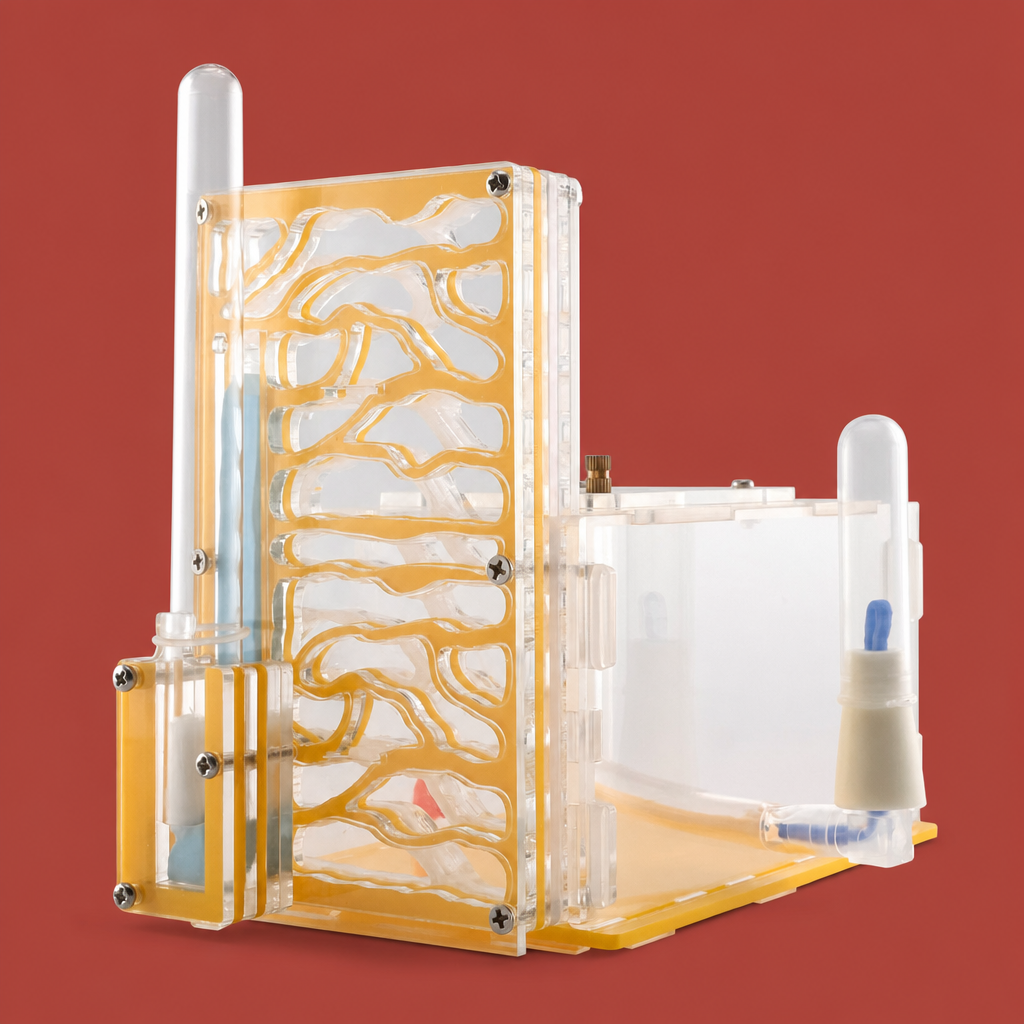
The Big Villa is a large-format acrylic ant farm designed for growing colonies that have outgrown a test tube or starter nest. Built from clear acrylic panels, it gives you an unobstructed view of every tunnel and chamber your ants excavate. The integrated moisture chamber lets you regulate humidity without flooding the nest, a critical feature for species that need a damp nesting zone. Compatible with a wide range of small-to-medium ant species, it connects to external foraging arenas via standard tubing ports. Check our ant keeping humidity and temperature guide before setting up, and browse our full range of ant nests to find the right fit for your colony size.

Why It Matters
Your Colony Finally Has Room to Breathe
There is a moment every ant keeper knows: the test tube is packed, workers are piling on top of each other, and the queen deserves better. The Big Villa acrylic ant farm gives your colony the space it has earned. Wide tunnels, distinct chambers, and a built-in moisture chamber mean you stop improvising and start watching your ants actually thrive. This is the upgrade that turns a hobby into something you are genuinely proud of.
Build & Materials
Crystal-Clear Acrylic, Built for Serious Keepers
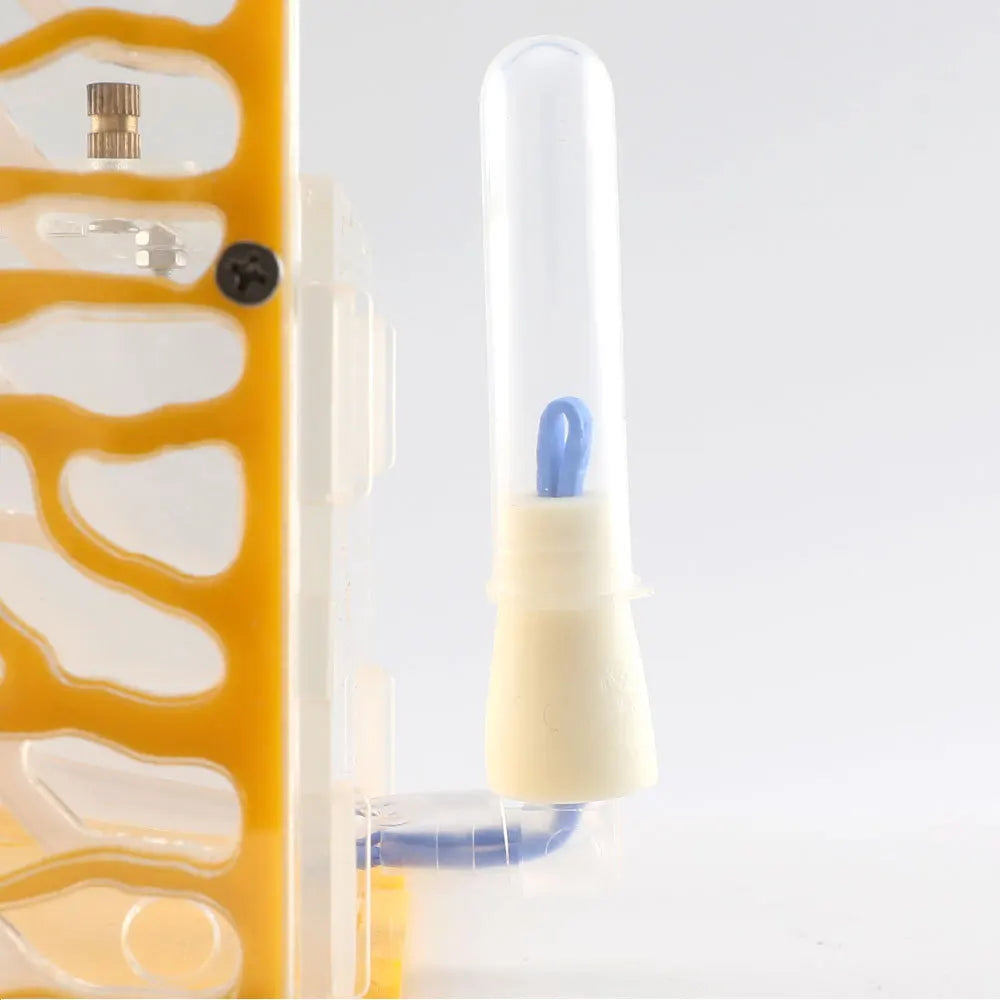
Every panel is machined from clear acrylic, so there are no blind spots and no guessing what is happening inside. The integrated moisture chamber is the real standout: it keeps the nesting area at the right humidity level without you having to drip water in daily. Tubing ports let you connect a foraging arena whenever your colony is ready to explore. Clean lines, solid construction, nothing unnecessary.
The Setup
From Unboxing to First Workers in Minutes
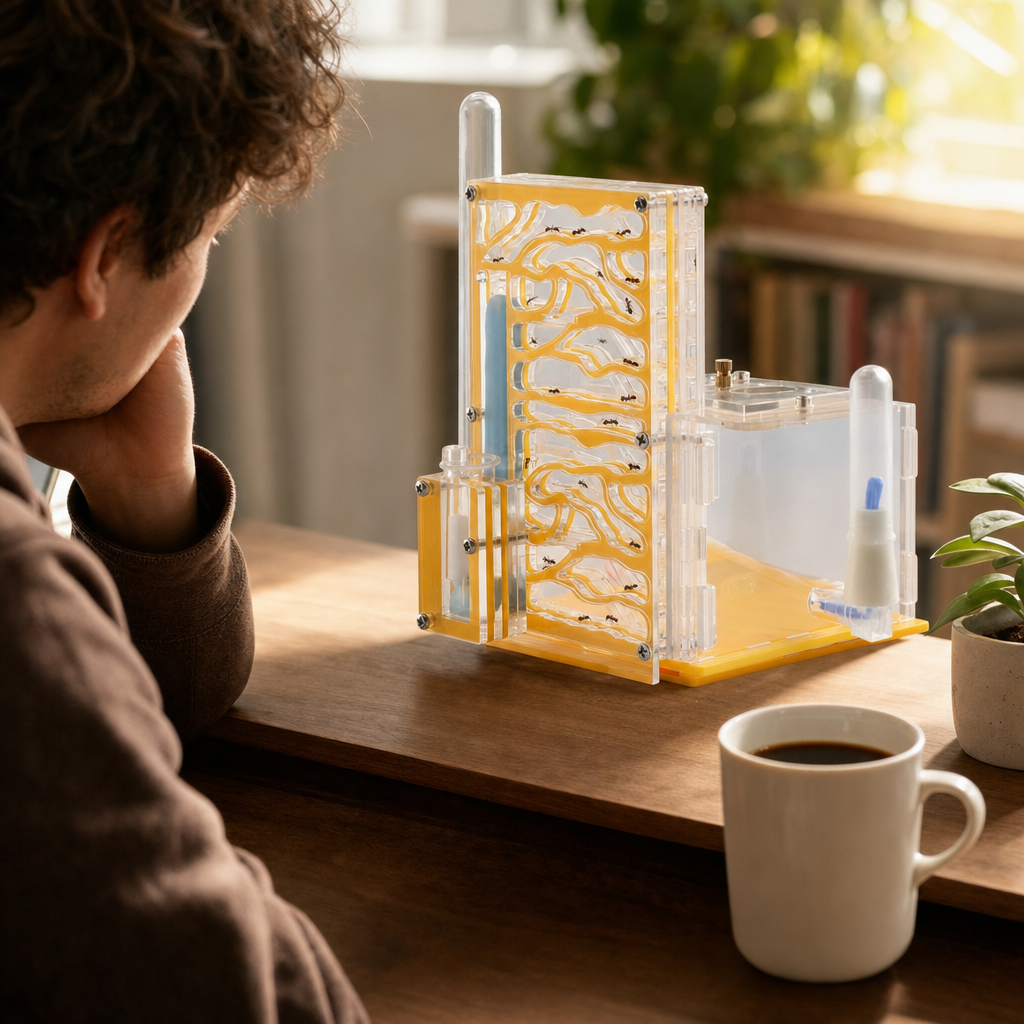
You set the Big Villa on your desk, fill the moisture chamber, and connect your tubing to a foraging arena. Within hours, scouts are mapping the tunnels. Species like Lasius niger (the common black garden ant) or Camponotus (the large carpenter ants) take to it immediately. You watch the first workers start moving substrate, organizing chambers, and suddenly you understand why people get obsessed with this hobby.

Daily Practice
Humidity Sorted, Escapes Blocked, Colony Visible
In day-to-day keeping, the moisture chamber is the feature you will appreciate most. You top it up every few days instead of stressing over the nest drying out overnight. The acrylic stays crystal clear even after months of use, so you never miss a brood pile or a new tunnel being dug. The tubing ports seal properly, which means fewer escape incidents and more time actually enjoying your colony.
FAQ
Your Questions Answered
What ant species work best in the Big Villa acrylic ant farm?
The Big Villa suits small-to-medium colony species well. Common choices include Lasius niger (black garden ants) and Camponotus (carpenter ants). If you are just starting out, our ant keeping for beginners guide can help you pick the right species for your setup and experience level.
How does the moisture chamber work and how often do I refill it?
The integrated moisture chamber sits within the nest structure and passively diffuses humidity into the nesting area. You add water to it directly, and it keeps the substrate at a stable moisture level. Refill frequency depends on your ambient conditions, but most keepers find every few days is sufficient to maintain a healthy humidity gradient.
Can I connect a foraging arena to this ant farm?
Yes. The Big Villa has tubing ports specifically designed to connect to an external foraging arena. This lets your workers explore and forage outside the nest while the colony stays safely housed inside. It is a key feature for larger colonies that need more activity space than the nest alone provides.
Is this suitable for a beginner or is it aimed at experienced keepers?
It works for both, but it is best suited to keepers who already have a small colony established, perhaps from a test tube setup. If you are still at the founding stage with a newly caught queen, a smaller starter nest may be a better first step before moving up to the Big Villa.
How do I clean the acrylic panels without scratching them?
Use a soft damp cloth and avoid abrasive sponges or harsh chemical cleaners, which can scratch or cloud the acrylic surface. Gentle cleaning keeps the panels crystal clear so you maintain full visibility into the nest. Avoid alcohol-based products, as these can degrade acrylic over time with repeated use.