Ma boutique
Glass Ant Waterer Feeder: 1ml to 30ml, no-drown design
Glass Ant Waterer Feeder: 1ml to 30ml, no-drown design
Couldn't load pickup availability
Technical Details
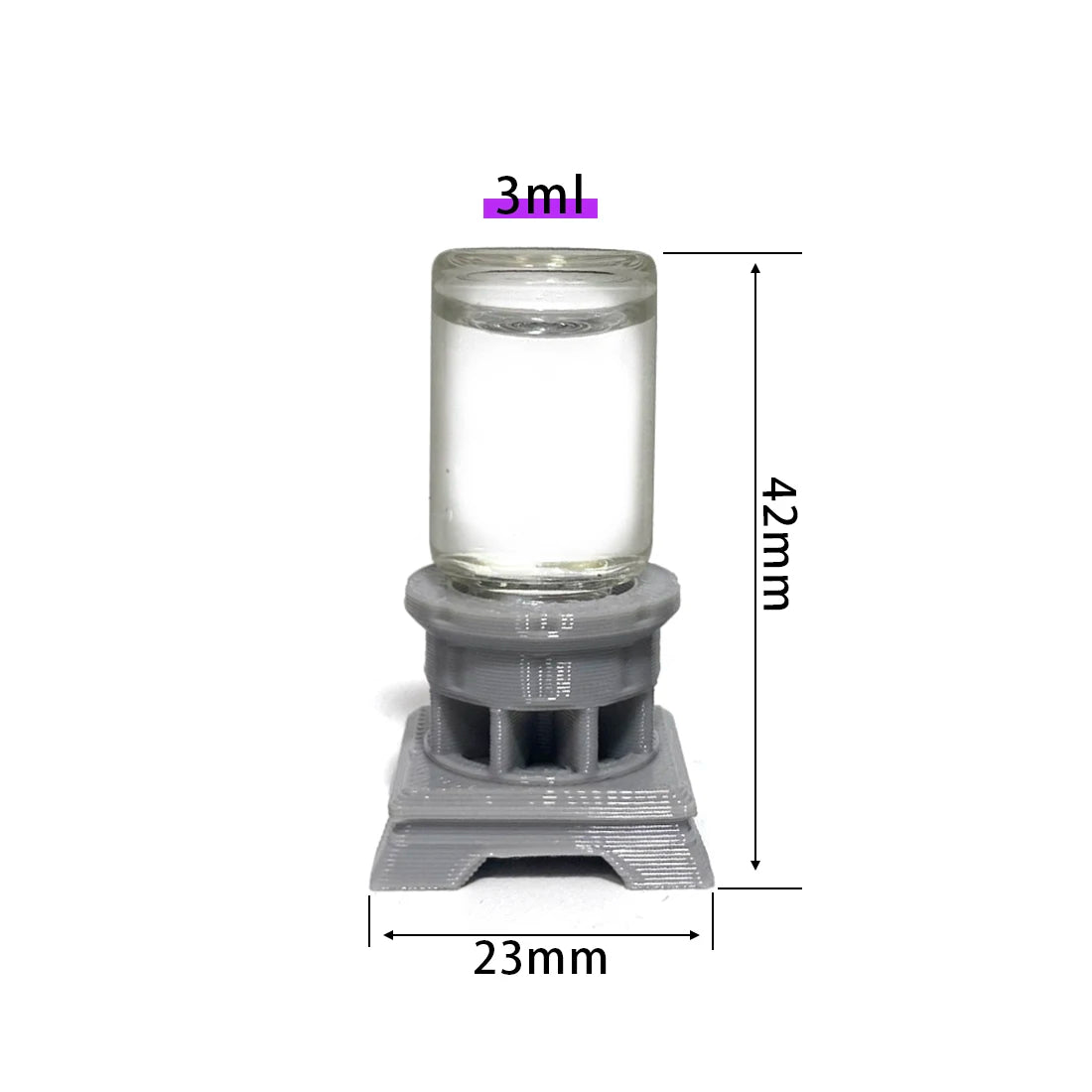
Glass ant waterer: 1 ml to 30 ml
This glass ant waterer and feeder is designed specifically for ant colonies, with a no-drown geometry that keeps workers safe at the water surface. The graduated capacity runs from 1 ml up to 30 ml, so you can match the volume to your colony size, from a founding queen to a growing forager team. Glass construction means no plastic leaching and easy visual monitoring. Pair it with any outworld or foraging area. Check our ant keeping humidity and temperature guide to dial in the right hydration routine for your species, and browse our full range of ant keeping accessories to complete your setup.
The benefit
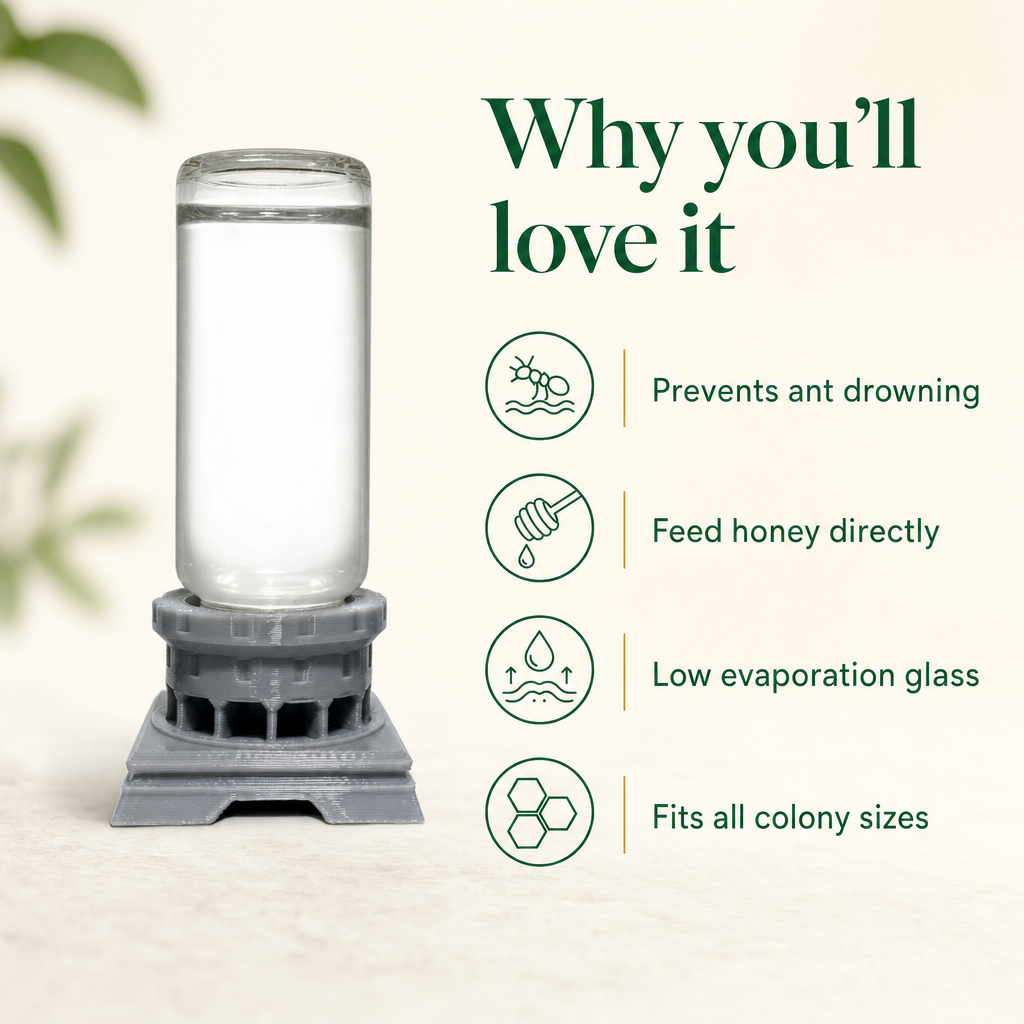
Hydration sorted, zero ant casualties
Every keeper has lost a worker to a water dish at some point. It is a gut-punch moment, especially when the colony is still small. This glass ant waterer changes that completely. The no-drown design means your ants can drink safely without you hovering over the setup. You stop worrying, they stay healthy, and you actually enjoy watching them instead of dreading the morning check.
Product details
Glass build, no-drown ant feeder design
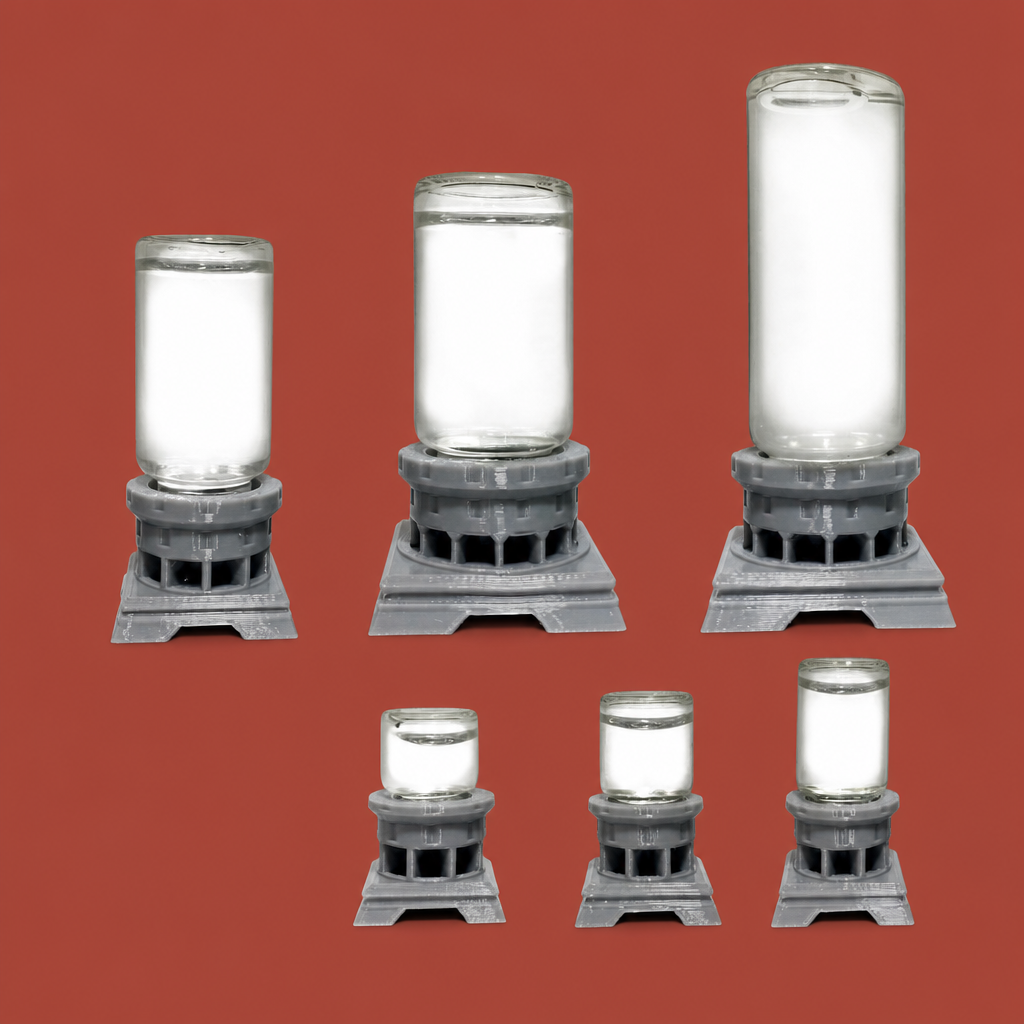
The body is glass, which matters more than it sounds. Glass does not absorb odors, does not warp with cleaning, and lets you see the water level at a glance without picking anything up. The no-drown geometry is built into the shape itself, not a removable insert that can get lost. Capacity scales from 1 ml for a founding tube setup all the way to 30 ml for a busier foraging area.
In action
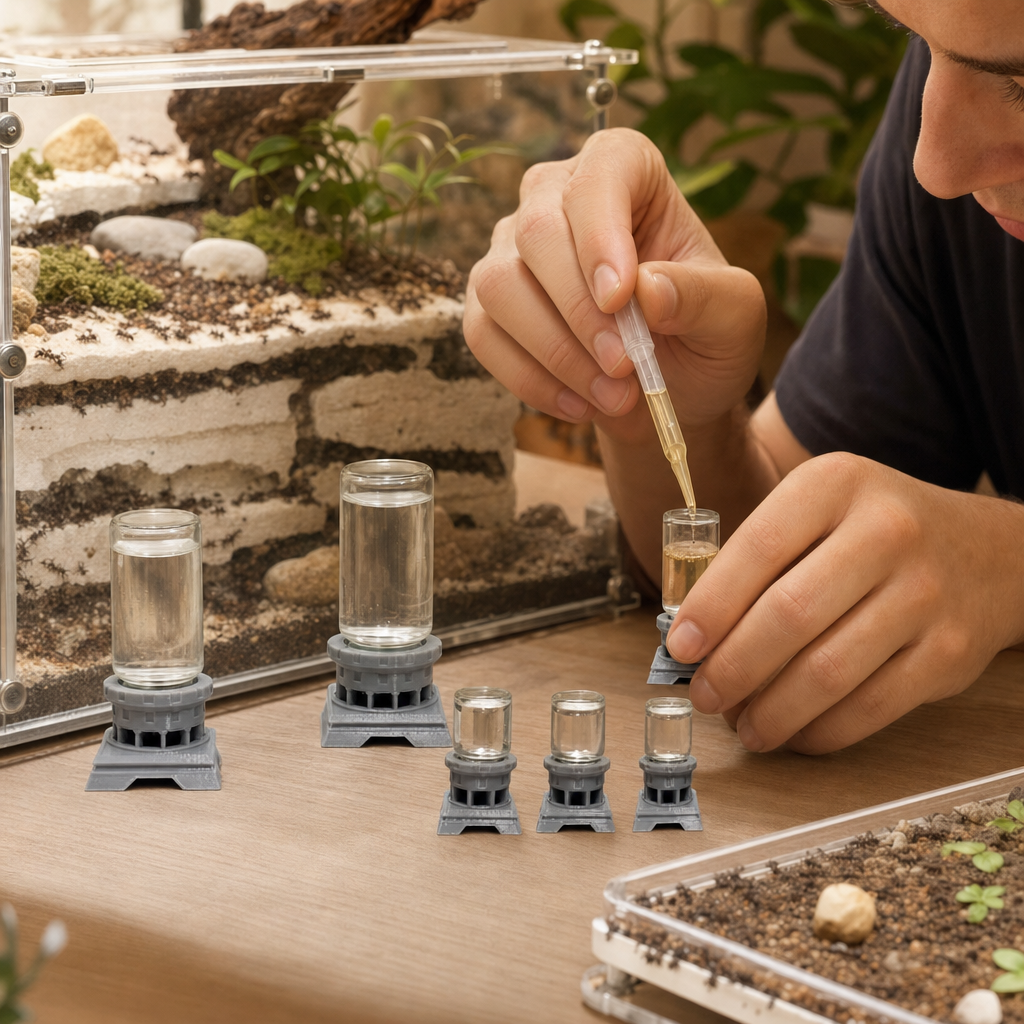
Watch your Lasius workers drink safely
Picture your Lasius niger workers, the common black garden ant, filing out of the nest entrance and heading straight for the waterer. They reach the water edge, drink, and walk back without a single one struggling. You fill it from the top, set it in the outworld, and that is genuinely it. Whether you keep a small founding colony or a mature Camponotus group, the routine stays the same: fill, place, observe.

Field test
Daily use proves the no-drown glass waterer
The real test of any ant waterer is the morning after. With a standard dish, you brace yourself. With this glass feeder, you just look. The no-drown design holds up through overnight periods when you are not watching, through the foraging rush of a Messor barbarus colony, the seed-harvesting ant that sends dozens of workers out at once. Glass cleans in seconds, refills in seconds, and never needs replacing the way plastic eventually does.
FAQ
Your questions answered
What volume should I choose for my colony size?
The waterer covers 1 ml up to 30 ml, so you can start at the lower end for a founding queen or a small new colony and use more volume as your worker count grows. Match the volume to how quickly your ants empty it, ideally refilling every day or two.
How does the no-drown design actually work?
The geometry of the glass vessel controls how much open water surface the ants can reach at once, preventing workers from falling in and being unable to escape. It is built into the shape of the piece itself, so there is nothing to assemble or lose.
Can I use this as a feeder for liquid foods, not just water?
Yes. The product is described as both a waterer and a feeder, so it works for liquid foods like sugar water or honey dilutions as well as plain water. Glass makes cleaning between uses straightforward and leaves no residual odor.
Is glass safe around ants, and is it easy to clean?
Glass is one of the safest materials for ant setups. It does not leach anything into the water, does not scratch and harbor bacteria the way plastic can over time, and rinses clean quickly. It is also heavier than plastic, so it stays put in the outworld.
Where do I place this waterer in my ant setup?
Place it in the outworld or foraging area, not inside the nest itself. Ants will travel to it naturally as part of their foraging routine. It works alongside any formicarium style, from a simple test tube setup to a larger modular ant farm.