


Ma boutique
Dual-Purpose Ecological Gypsum Ant Nest, Improved Version
Dual-Purpose Ecological Gypsum Ant Nest, Improved Version
Couldn't load pickup availability
Technical Details
Ecological Gypsum Ant Nest - What You Get
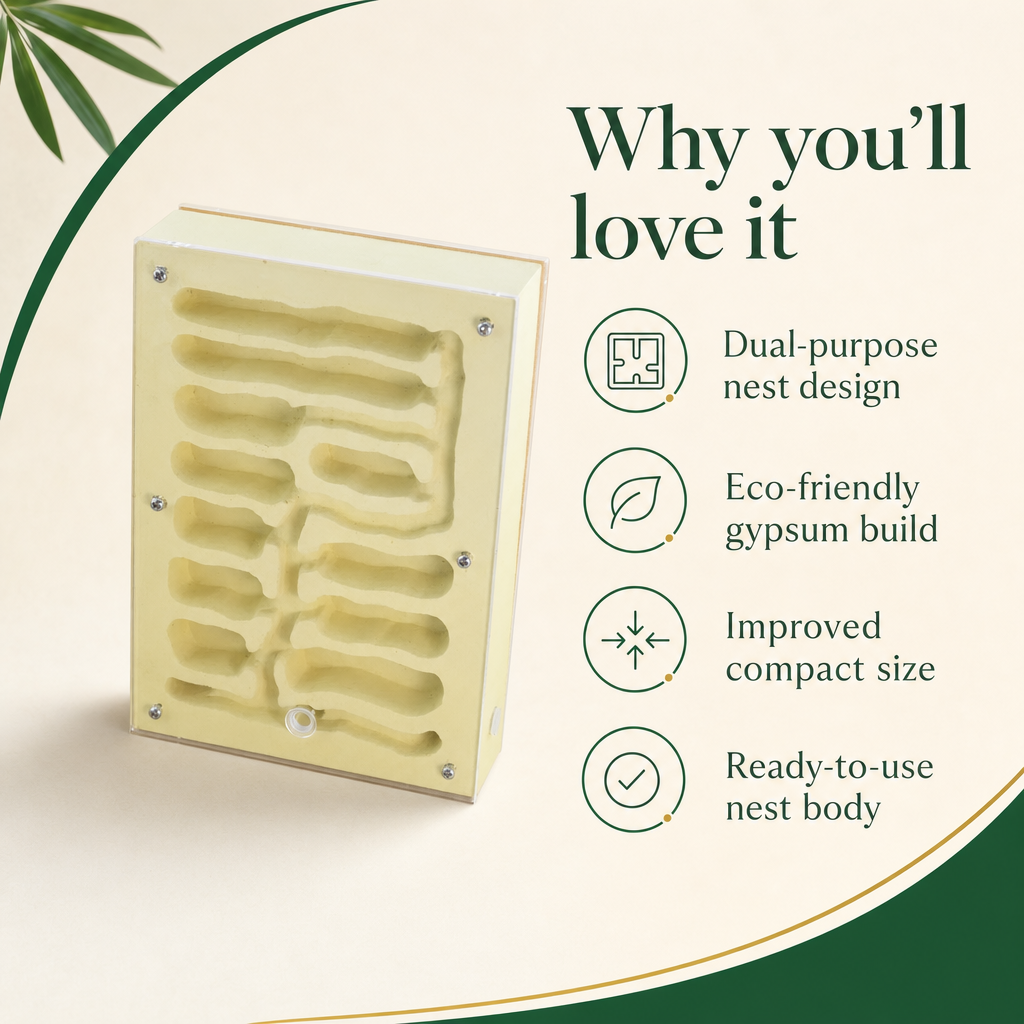
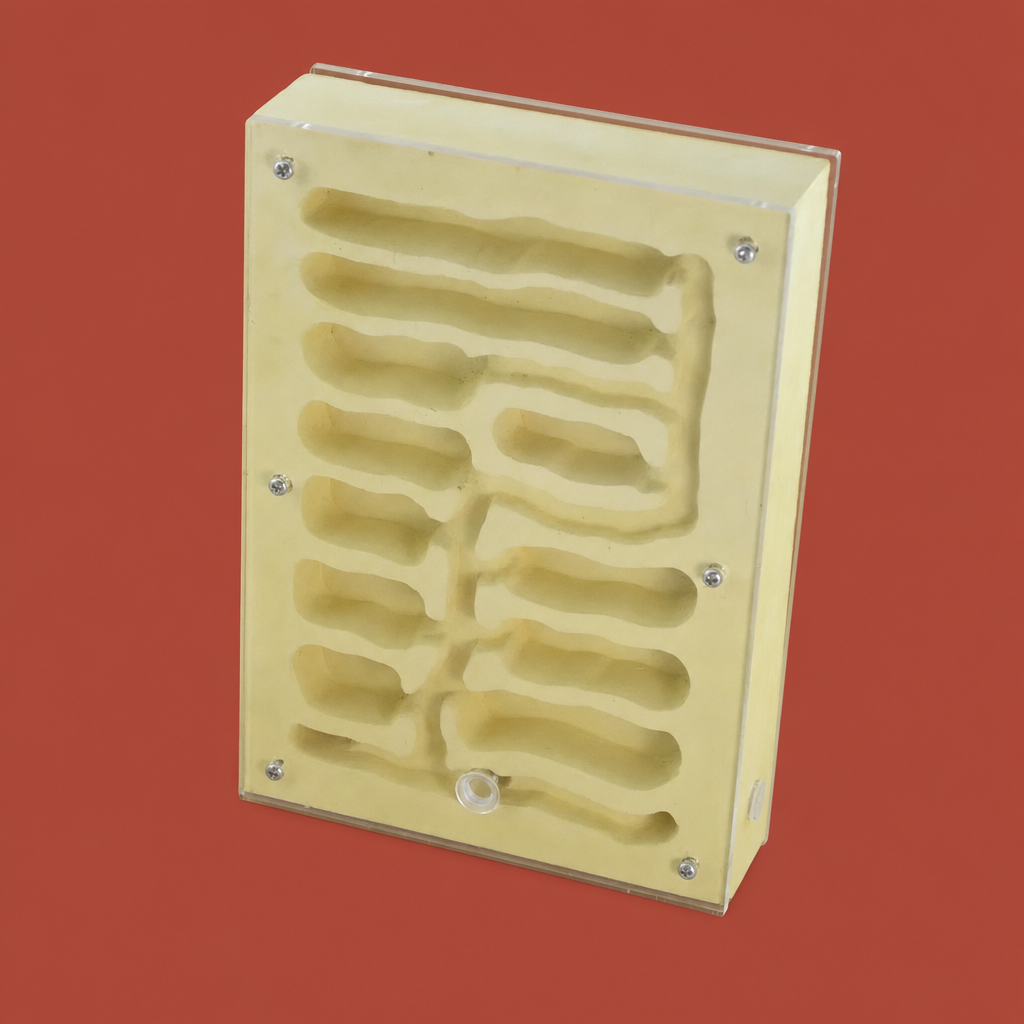
This improved dual-purpose gypsum ant nest is designed for both founding queens and small-to-medium colonies. Made from natural gypsum, it regulates moisture passively once you add water to the dedicated hydration zone - no sponges, no guesswork. The nest features two functional areas: a dark nesting chamber and a connected foraging or outworld space. Compatible with most small to medium ant species. Check our ant keeping humidity and temperature guide to dial in conditions for your colony. Clean with a dry brush; avoid soaking the entire block.
The Real Difference
One Gypsum Nest, Two Jobs Done
You stop juggling a test tube, a separate outworld, and a pile of cotton. This ecological gypsum ant nest handles founding and early colony life in a single unit. Your queen settles faster, your workers have somewhere to actually forage, and you spend less time improvising setups. It is the kind of upgrade that makes you wonder why you waited. New to the hobby? Our guide on how to start an ant colony pairs perfectly with this nest.
Build & Materials
Gypsum That Works With Your Ants
Natural gypsum is the go-to material for serious ant keepers, and for good reason. It absorbs and releases moisture slowly, keeping the nesting chamber at a stable humidity without you hovering over it. The improved version tightens the chamber geometry and refines the water reservoir so hydration stays where it belongs. No plasticizers, no off-gassing - just a breathable, ant-friendly substrate that species like Lasius niger (the common black garden ant) and Messor barbarus (the seed-harvesting ant) genuinely prefer.
In Use
From Nuptial Flight Catch to Thriving Colony
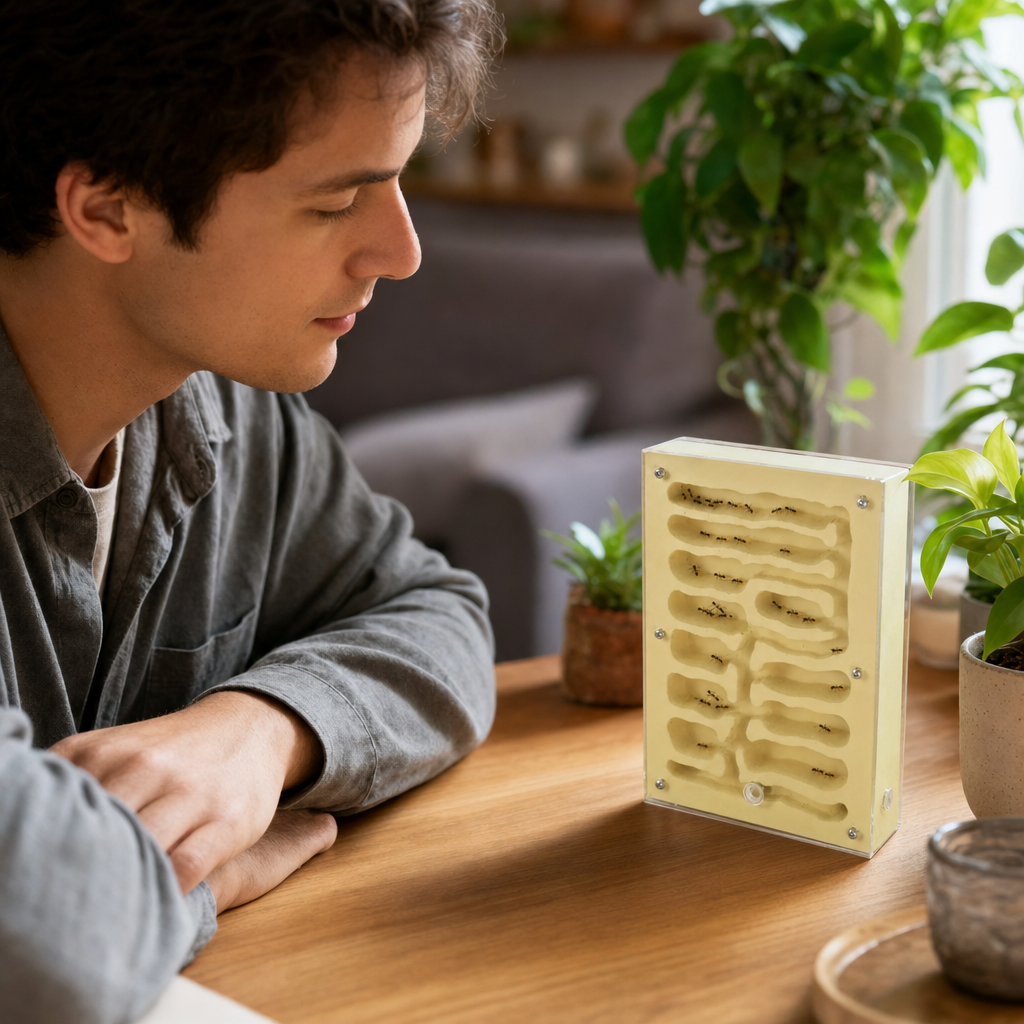
Picture this: you caught a queen during nuptial flight season, she has her first eggs, and you need a real home for her fast. You add water to the reservoir, place her inside the dark chamber, and connect the foraging area. Within days she is moving between zones on her own terms. No stressful transfers, no makeshift lids. The nest does what it is supposed to do while you just watch the colony grow.

Daily Keeper Proof
Less Fussing, More Watching
Keepers running multiple colonies know that maintenance time adds up fast. The passive humidity system in this gypsum nest means you top up the reservoir every few days instead of misting constantly and hoping for the best. The dual layout also means you can observe foraging behavior without disturbing the brood chamber. Whether you keep Camponotus (the carpenter ants, big and slow-growing) or a fast-expanding Lasius colony, the setup stays clean and readable at a glance.
FAQ
Your Questions Answered
Is this nest suitable for a newly-mated founding queen?
Yes. The dark nesting chamber is sized for a founding queen and her first brood. The dual-purpose design means you do not need to transfer her to a larger setup right away - she can stay put as the first workers emerge and the colony begins to grow.
How do I manage humidity in a gypsum nest?
Add water directly to the integrated reservoir. The gypsum absorbs and releases moisture gradually, keeping the chamber humid without soaking the whole block. Top it up every few days and monitor the surface - if it looks bone dry, it is time to refill.
What ant species work best with this nest?
It is designed for small to medium ant species. Common choices include Lasius niger (black garden ants), Messor barbarus (seed-harvesting ants), and smaller Camponotus species (carpenter ants). Very large or very small micro-species may not be the ideal fit.
What does 'improved version' actually mean?
The improved version features refined chamber geometry and an updated water reservoir design compared to the original. The goal is better moisture distribution and a more functional layout for both the queen and her workers during the founding and early colony stages.
How do I clean a gypsum ant nest?
Use a dry brush to remove debris from accessible areas. Avoid submerging or soaking the entire block, as excess water can degrade the gypsum over time. Spot-clean the foraging area regularly and let the material dry naturally between hydration cycles.


