Skip to product information
1 of 9

Ma boutique

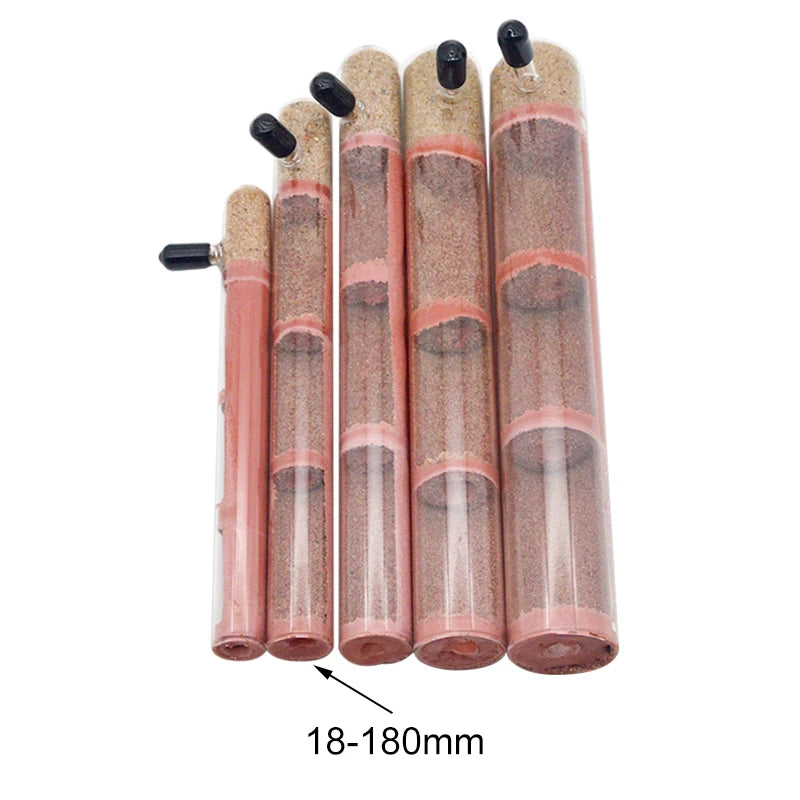
Bamboo Test Tube Ant Nest - Plaster Core, 5 Sizes

Bamboo Test Tube Ant Nest - Plaster Core, 5 Sizes

Regular price €16,95 EUR
Regular price €16,95 EUR Sale price €16,95 EUR
Sale Sold out
Taxes included. Shipping calculated at checkout.
Size
Quantity

Your founding queen deserves better than a plain glass tube with a cotton plug. The bamboo test tube ant nest pairs a gypsum-and-sand moisture core with a natural bamboo shell, giving her the stable humidity and the visual calm that actually keeps a new colony alive through those first critical weeks.

  • No harmful chemicals
  • 5 sizes for every species
  • Ships individually boxed

The first time I tried to found a Lasius niger colony (the common black garden ant) in a bare glass tube, I spent two weeks watching the queen relocate her eggs every 48 hours. She was chasing humidity. The tube dried out faster than I expected, and she kept moving to the wet end, then back again. It was stressful for her and honestly stressful for me too.

That experience is exactly why I pay attention to founding tube design now. This bamboo nest solves the problem at the material level: the inner core is cast from gypsum mixed with fine sand, the same combination used in lab-grade formicarium panels. Gypsum absorbs and releases moisture slowly, so the humidity gradient inside the tube stays consistent for days after a single water top-up. The bamboo outer shell adds a second layer of insulation and blocks the kind of sudden light exposure that sends a founding queen into a panic.

The layered construction also means you can stack or connect multiple tubes as the colony grows, building a modular founding setup without buying a whole new formicarium. Five diameter options, from 15 mm up to 30 mm, cover everything from tiny Temnothorax species to larger Camponotus queens (carpenter ants, the big ones that always attract a crowd at hobby meetups).

Why a bamboo test tube ant nest outperforms plain glass for founding queens

Gypsum core holds humidity for days

The sand-and-gypsum lining absorbs water and releases it gradually, so you top up once every few days instead of daily.

Bamboo shell cuts light stress on the queen

Natural bamboo diffuses ambient light, reducing the sudden brightness that triggers relocation behavior in newly founded colonies.

Five tube sizes fit beginner to advanced setups

From 15 mm diameter for small species to 30 mm for large queens, you pick the size that matches your ant rather than forcing her into a generic tube.

Modular design grows with the colony

Connect additional tubes or attach a feeding area as worker numbers increase, without dismantling the founding setup the queen already accepted.

Bamboo test tube ant nest specifications: sizes, materials, and what is in the box

Available sizes (diameter x length) 15x150 mm / 18x180 mm / 20x200 mm / 25x200 mm / 30x200 mm
Outer shell material Natural bamboo
Inner core material Gypsum (plaster) + fine sand + glass lining
Regulated substances None declared
Box contents 1 bamboo test tube ant nest (tube only, no ants included)
Size tolerance +/- 1-2 mm (hand-measured)
Optional add-on Separate feeding area (sold individually)

How to set up and maintain your bamboo test tube ant nest

  • Before introducing your queen, add a few drops of distilled water to the gypsum end of the tube. Let it absorb for 10 minutes. You want the core damp, not flooded.
  • Keep the tube in a dark, quiet spot at room temperature (ideally 20-26 C / 68-79 F for most temperate species). Wrap it in red film or dark cloth if you want to observe without disturbing.
  • Top up moisture every 3-7 days depending on ambient humidity. Check the gypsum color: pale and dry means it needs water, dark and wet means wait.
  • Do not move or open the tube during the first 2-4 weeks after founding. The queen needs uninterrupted calm to lay her first batch of eggs and tend the larvae.
  • Once the first workers appear (typically 4-10 weeks depending on species and temperature), connect a feeding tube or outworld. The colony will move when it is ready.
  • Clean the bamboo exterior with a dry cloth only. Never submerge the tube or use soap: the gypsum core will degrade and lose its moisture-regulation properties.

Who this plaster tube ant nest is built for

This tube is a strong fit if you just caught your first queen during nuptial flight season and want a founding setup that actually manages humidity without daily intervention. It also works well for experienced keepers who run multiple founding colonies at once and need a reliable, low-maintenance option that does not require constant checking. Parents setting up a first ant-keeping kit for a curious kid will appreciate that the bamboo exterior is sturdy and the materials are declared chemical-free.

Not the right pick if you are looking for a display formicarium with viewing panels: this is a founding and transit tube, not a permanent habitat. For a full colony setup, pair it with a formicarium from our ant habitat collection once your workers emerge.

Bamboo test tube ant nest: questions buyers ask before ordering

Which size tube should I choose for my queen ant?
Match the tube diameter to your queen's body size. The 15 mm tube suits small species like Temnothorax or Lasius (common black garden ants). The 18-20 mm range covers most Formica and mid-size Myrmica queens. Go for 25 mm or 30 mm if you have a large Camponotus (carpenter ant) queen, which can reach 15-18 mm in body length. When in doubt, size up: a queen in a slightly large tube is fine; a queen crammed into a tube that is too narrow will stress and may abandon her eggs. Check our ant species size guide for a quick reference chart.
How long does shipping take, and will the tube arrive intact?
Each tube ships individually boxed with protective padding. Delivery times vary by destination: typically 7-18 business days for standard international shipping. If your tube arrives damaged, contact us with a photo within 48 hours and we will send a replacement or issue a refund. The gypsum core is fragile under direct impact, so the packaging is designed to absorb that.
How long will the gypsum core last before it needs replacing?
With normal use (kept damp, not flooded, no soap contact), the gypsum-and-sand core holds its structure for 12-24 months. You will notice it starting to crumble or lose its texture before it fails completely. At that point, the colony should already be large enough to move into a permanent formicarium anyway. Think of this tube as a founding and early-growth vessel, not a lifetime habitat.
How is this different from a standard glass test tube setup?
A plain glass tube with a wet cotton plug works, but it dries out fast and gives the queen zero light protection. This bamboo nest adds two things: a gypsum core that holds moisture longer and releases it gradually (no wet-dry spikes), and a bamboo shell that diffuses light and insulates against temperature swings. The result is a more stable microclimate with less hands-on management. If you want to compare founding options side by side, see our founding setup collection.
View full details