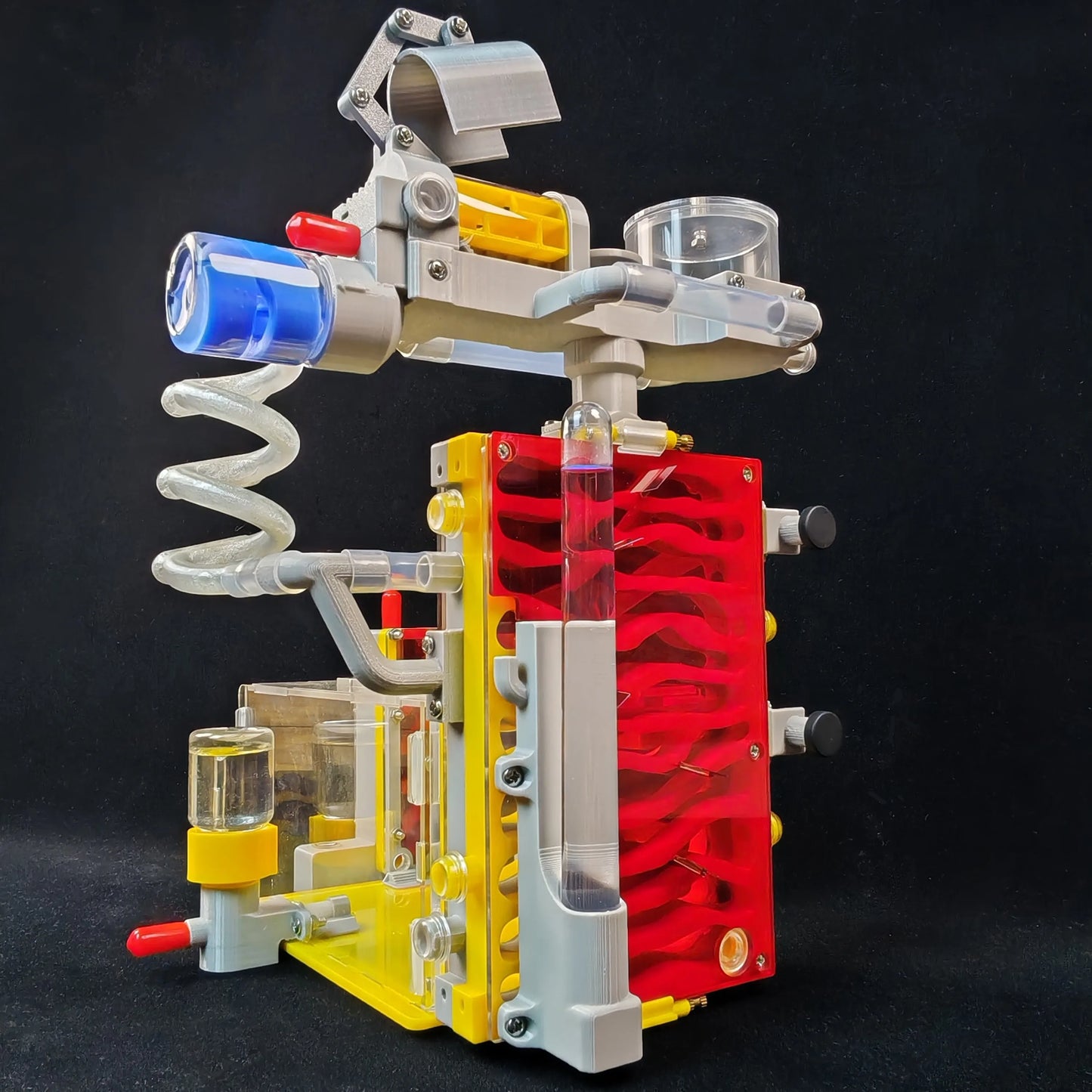
You set up a DIY acrylic ant nest with feeding area once, and suddenly you are watching a Lasius niger colony (the common black garden ant) excavate tunnels in real time, right on your desk. That is the whole point of this formicarium: clear walls, a dedicated food zone, and a layout that actually makes sense for the ants and for you.
No harmful chemicals
Ships worldwide
In stock, ready to ship
Most beginner ant farms fail the keeper before the ants. The nest chamber is too deep to see anything, the feeding zone is awkwardly bolted on as an afterthought, or the whole thing is made from a plastic that off-gasses enough to stress a founding queen. I learned that the hard way with my first two setups. This acrylic ant nest villa takes a different approach: the feeding area is built into the design from the start, not glued on later, and the clear acrylic panels give you an unobstructed side view of tunneling activity without disturbing the colony.
The DIY assembly is not a gimmick. It means you can orient the nest chamber to suit your species, adjust the feeding corridor width, and replace individual panels if one ever gets scratched. For house ant species like Lasius niger or a small Formica colony, the proportions are well-matched: enough space to grow past the founding stage, compact enough to keep humidity stable without a constant misting routine. Messor barbarus (the seed-harvesting ant popular in Europe and increasingly kept in the US) also fits well once the colony reaches 50-plus workers.
The acrylic we stock in our shop is the same type I run my own Camponotus pennsylvanicus colony in: smooth interior walls that ants cannot grip to escape, thick enough to resist warping near a heat cable, and optically clear so you catch every tunnel decision the workers make. That last part never gets old, honestly.
Why this acrylic ant nest villa outperforms basic ant farms
Acrylic ant nest visibility you can actually use
Optically clear panels on all sides let you observe tunneling, brood care, and foraging behavior without lifting a lid or disturbing the colony.
Integrated feeding area keeps the ant farm clean
A dedicated food zone physically separates waste and uneaten prey from the nest chamber, which cuts mold risk and makes weekly cleaning a two-minute job.
DIY ant nest design adapts to your species and setup
Modular panel assembly means you orient the nest chamber, adjust corridor width, and swap out scratched pieces without replacing the whole unit.
No harmful chemicals: safe for your colony long-term
The acrylic is confirmed free of high-concern substances, so off-gassing is not a factor even during the sensitive founding stage when queens are most vulnerable.
DIY acrylic ant nest villa: materials and what is in the box
Main material
Clear acrylic (plastic, no high-concern chemicals)
What is in the box
Nest chamber panels, feeding area section, assembly hardware
Chemical safety
No high-concern chemicals confirmed
Assembly type
DIY modular, no tools required
Availability
In stock (6 units)
Suitable species
House ants: Lasius niger, small Formica, Messor barbarus
How to set up and care for your acrylic ant nest villa
Assemble the panels on a flat surface before introducing any ants. Dry-fit every piece first, then secure. A five-minute check now prevents a gap that a Lasius worker will find in thirty seconds.
Place the nest away from direct sunlight. Acrylic transmits heat quickly, and a nest chamber that hits 30 C (86 F) will stress most temperate species. A shaded desk corner or a shelf works well.
Mist one side of the nest chamber lightly every 2-3 days to maintain humidity between 50-70%. Never flood the substrate. Acrylic does not absorb moisture, so a little goes a long way.
Clean the feeding area every 3-5 days. Remove uneaten food and dead insects before mold starts. The separated zone makes this quick: open, wipe, done.
If you keep Lasius niger through winter hibernation (October to February, 4-10 C / 39-50 F), disassemble the feeding area and store it separately. The nest chamber can go into the fridge as-is once the colony is dormant.
To clean acrylic panels, use a damp microfiber cloth only. Avoid alcohol-based sprays or paper towels: both scratch the surface and reduce visibility over time.
Who this DIY ant farm with feeding area is actually built for
This formicarium suits keepers who want to observe a colony properly, not just house one. You might be a teenager who just caught your first Lasius niger queen during a summer nuptial flight, a parent setting up an educational station for curious kids, or a hobbyist who has outgrown gel ant farms and wants something with real observation value. The DIY acrylic ant nest with integrated feeding zone is also a solid choice if you are running multiple setups and need a reliable mid-size unit that does not demand constant maintenance.
Not the right fit if you are keeping a large Camponotus pennsylvanicus (the black carpenter ant) colony above 500 workers, or any army ant species: those need significantly more outworld space and a different nest architecture. For those, check out our full formicarium collection where larger modular options are listed.
Acrylic ant nest villa: questions buyers ask before ordering
Is this ant farm the right size for a founding queen and her first workers?
Yes, for most house ant species. A founding Lasius niger queen with her first 10-30 workers will use only a small corner of the nest chamber, which is actually ideal: ants feel more secure in a tight space early on. The colony has room to grow to several hundred workers before you need to think about expansion. If you are starting with a single founding queen and no workers yet, consider blocking off part of the nest with a piece of cotton until the colony reaches 50-plus workers.
How long does shipping take, and does this ship to the US?
This product ships worldwide, including to the US. Delivery times vary by destination and carrier, so check your order confirmation for the estimated arrival window and tracking link. Note: this listing covers the formicarium hardware only. No live ants are included or shipped. If you are sourcing a queen in the US, check your state regulations before purchasing any non-native species.
Will the acrylic panels scratch or yellow over time?
Acrylic can scratch if you clean it with abrasive materials, which is why a soft damp cloth is the only tool you should use on the panels. UV yellowing is a real issue with lower-grade plastics kept near a sunny window for years, so keep the nest out of direct sunlight as a standard practice anyway (heat control matters more than UV for your colony). With reasonable care, the panels stay optically clear for several years of active use.
How is this different from a basic gel ant farm or a sand ant farm?
Gel farms look striking for the first week, then the gel degrades, mold sets in, and the colony struggles. Sand farms give ants a natural substrate but make cleaning and feeding messy. This acrylic villa uses a substrate-free nest chamber with smooth walls, so you see everything, cleaning is straightforward, and the integrated feeding area keeps food waste contained. It is closer to a lab-style formicarium than a novelty toy, which is why it works for keepers who plan to stay in the hobby. For a deeper look at formicarium types, see our guide to choosing the right formicarium.
Browse complete ant-keeping starter kits for your first colony