Ma boutique
Acrylic Modular Ant Nest for Messor & Camponotus Colonies
Acrylic Modular Ant Nest for Messor & Camponotus Colonies
Couldn't load pickup availability
Technical Details
Acrylic Modular Ant Nest for Large Colonies
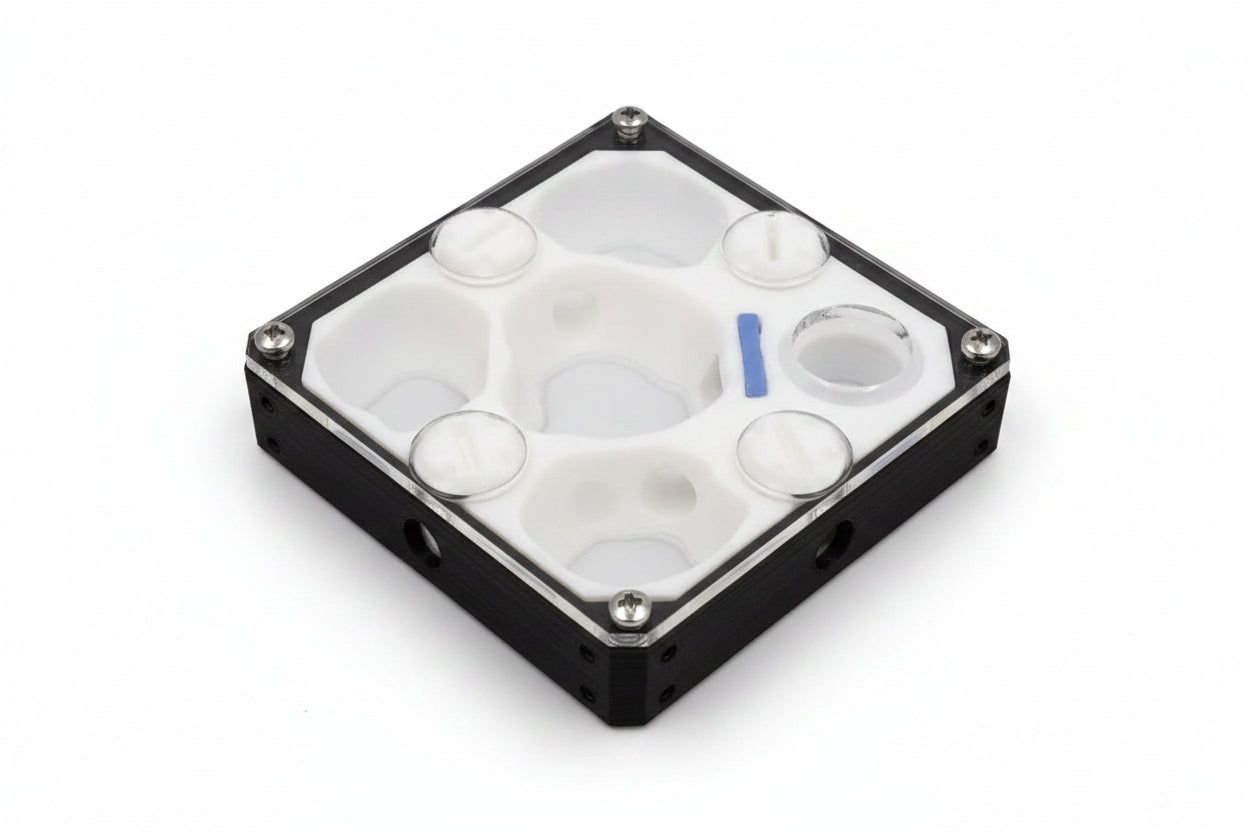
This acrylic modular ant nest is designed specifically for large ant species like Messor (the seed-harvesting ants) and Camponotus (carpenter ants), whose workers and queens need generous chamber space to thrive. Built from clear acrylic, it gives you an unobstructed view of colony life while keeping the structure sturdy and easy to clean. The modular design lets you connect additional nest blocks as your colony grows, so you're never forced to do a stressful full-colony transfer. Check our Camponotus care sheet and our full range of ant nests to find the right setup for your species.
Why It Matters
A Nest That Grows With Your Colony
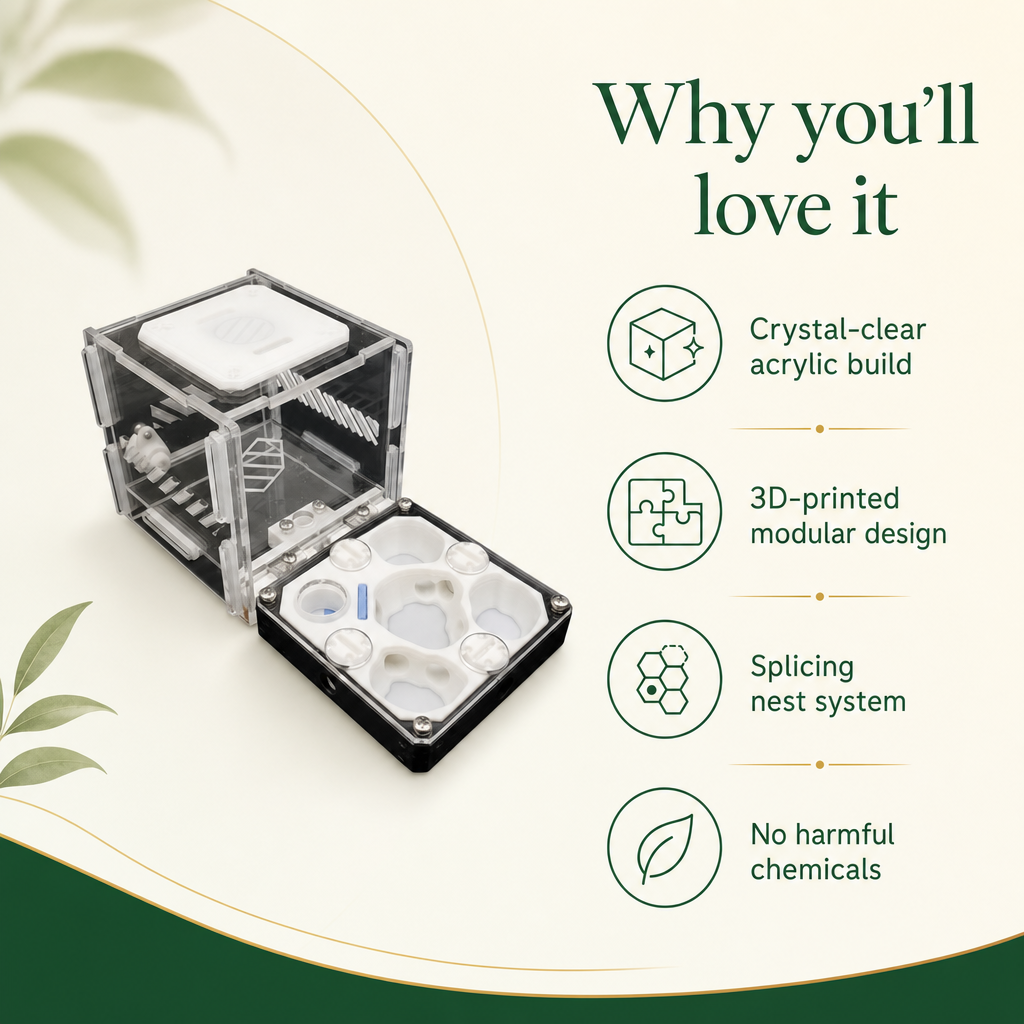
Messor and Camponotus colonies don't stay small for long. When your workers start crowding every chamber, you feel the pressure of an upgrade looming. This modular acrylic nest removes that anxiety entirely. You simply add a new block when the time comes, no stressful move, no colony disruption. Your ants keep building, and you keep watching, without ever hitting a wall.
Built to Last
Clear Acrylic, Modular Ant Nest Design
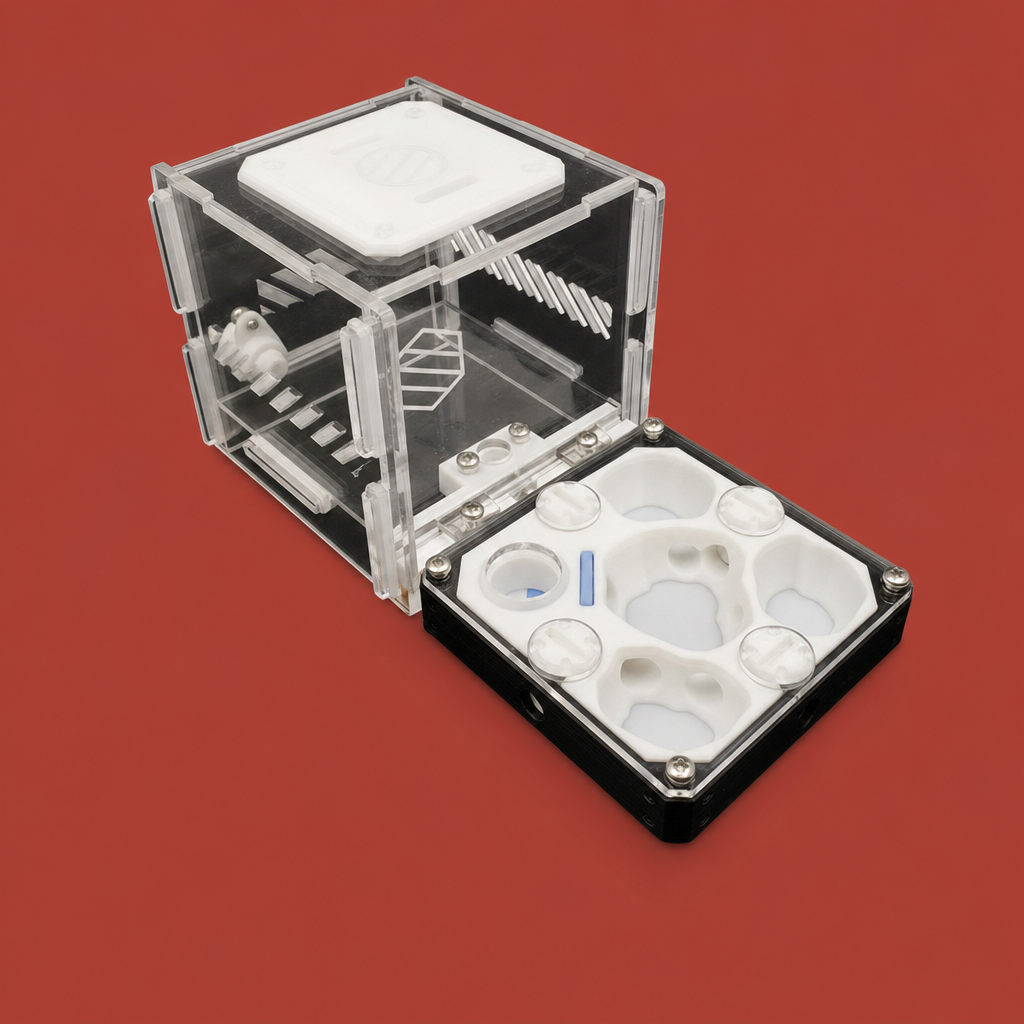
The nest is machined from clear acrylic, a material that stays scratch-resistant, holds its shape over years of use, and lets you observe every tunnel and chamber without distortion. The modular architecture is the real star here: each block connects cleanly to the next, so your acrylic ant nest can scale from a founding setup to a full Camponotus or Messor supercolony without ever needing a replacement.
Picture This
Watch Your Messor Workers Fill Every Chamber
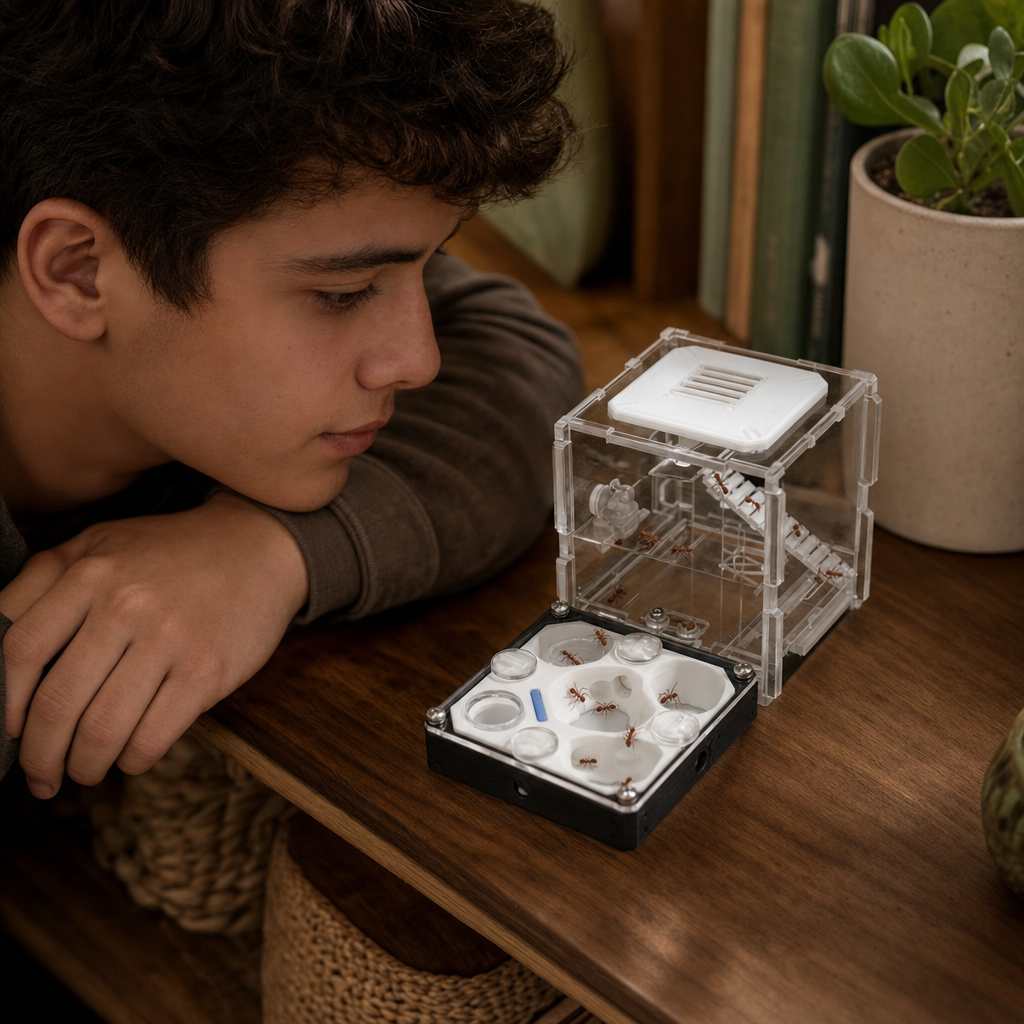
You set the nest on your desk, connect the foraging arena, and drop in a few seeds. Within hours your Messor workers, the seed-harvesting ants, are hauling husks through the tunnels you can see perfectly through the clear acrylic walls. When the colony doubles in size three months later, you click on a new module. No gloves, no stress, just more space and more to watch.

Everyday Keeper Proof
Modular Means Never Starting Over
The real test of any formicarium is what happens when your colony outgrows it. With a fixed nest, that means a risky transfer and weeks of unsettled workers. With this modular acrylic nest, you attach the next block, open the connector, and let the ants decide when to move in. Keepers running mature Camponotus or Messor barbarus colonies know that kind of flexibility is not a luxury, it is a necessity.
FAQ
Your Questions Answered
Is this nest suitable for small ant species like Lasius niger?
This acrylic modular nest is designed specifically for large species such as Messor (seed-harvesting ants) and Camponotus (carpenter ants). The chamber dimensions are sized for their larger workers and queens. Smaller species like Lasius niger may find the tunnels too wide and could feel exposed or attempt to escape through gaps.
How do I expand the nest when my colony grows?
The modular design lets you connect additional nest blocks directly to the existing setup. You simply attach a new module when your Messor or Camponotus colony needs more space. There is no need to transfer the whole colony, which keeps stress on your ants to an absolute minimum.
Can I see the ants clearly through the walls?
Yes. The nest is built from clear acrylic, which gives you a fully transparent view of every chamber and tunnel. You can observe worker activity, brood placement, and queen behavior without disturbing the colony at all.
How do I clean and maintain this acrylic ant nest?
Acrylic is easy to wipe down and does not absorb odors or moisture the way porous materials do. The modular structure also means you can disconnect individual blocks for targeted cleaning without dismantling the entire setup. Avoid abrasive cloths that could scratch the clear panels.
Can I connect this nest to a separate foraging arena?
The modular design is built for expandability, including connection to external foraging areas. This lets your Messor or Camponotus workers travel from the nest to a feeding zone naturally, which mirrors their real foraging behavior and keeps the nest itself cleaner over time.