Ma boutique
Small Queen Ant Nest - 3D Printed with Water Tower
Small Queen Ant Nest - 3D Printed with Water Tower
Couldn't load pickup availability
Technical Details
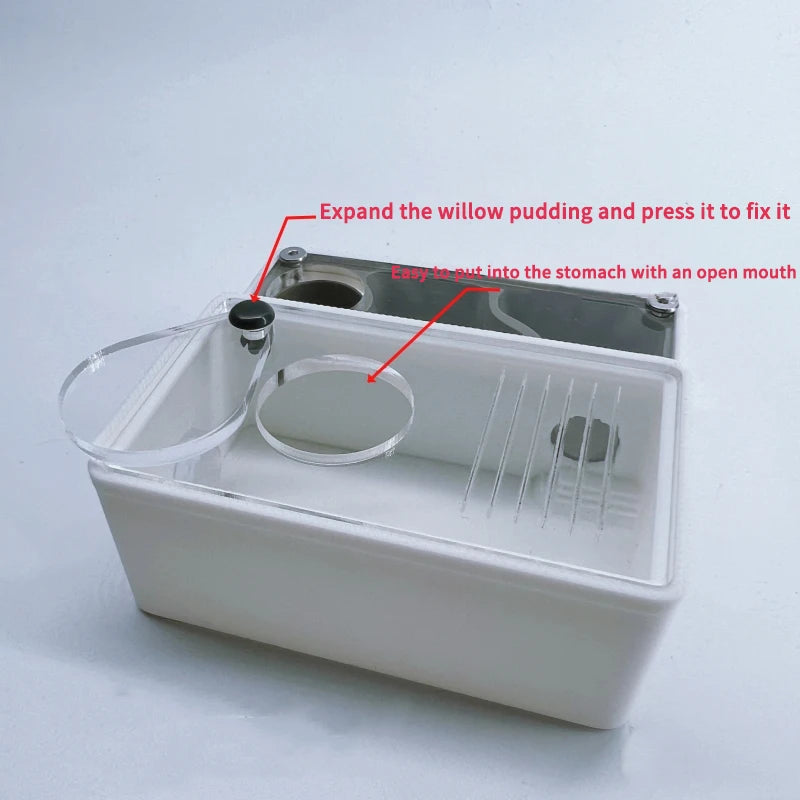
3D Printed Ant Farm with Water Tower
This small 3D printed ant farm is designed specifically for queen founding and early colony stages. It features a built-in water tower humidity system that passively regulates moisture inside the nest chambers, keeping conditions stable without daily intervention. The nest is sized for small ant species and new queens, making it an ideal starter formicarium. Check our ant keeping humidity and temperature guide and browse our full ant nests collection to find the right setup for your colony.
The Benefit
Your Queen Gets the Start She Deserves
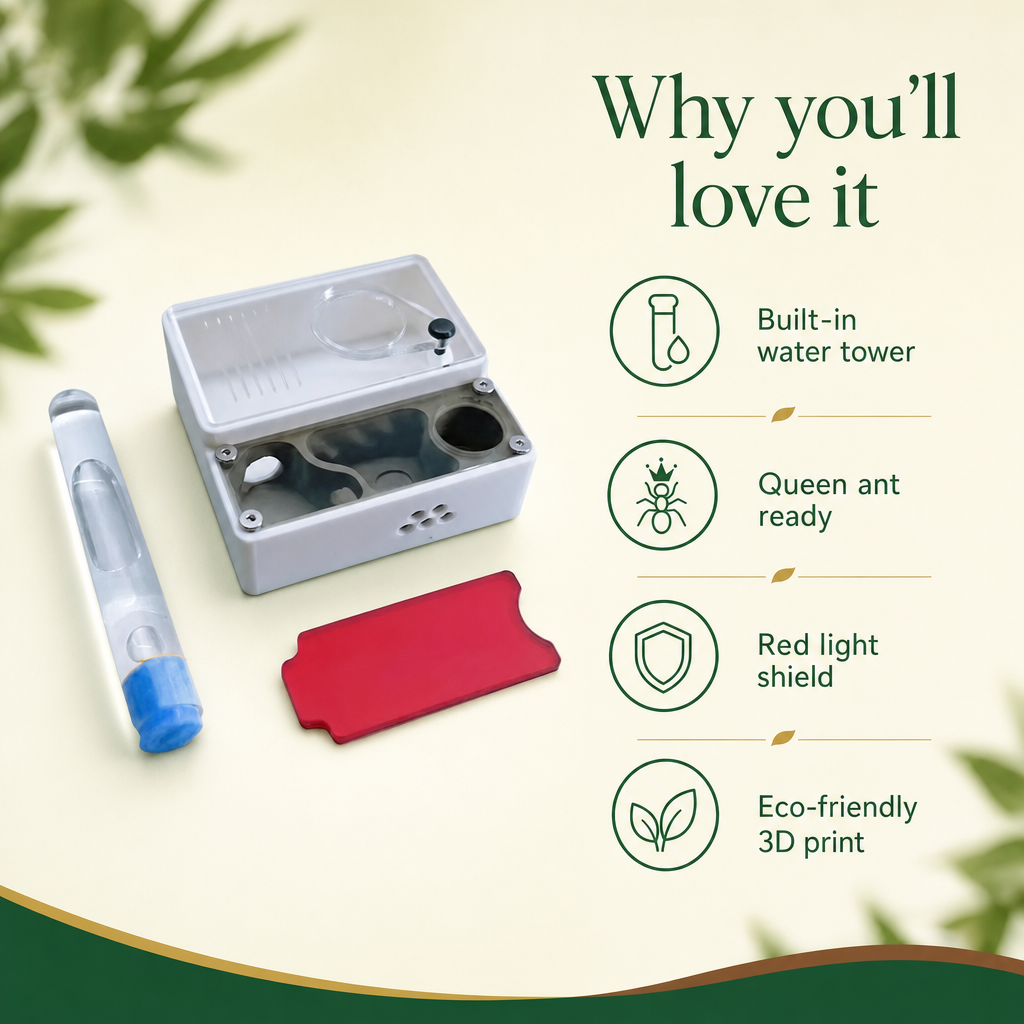
Starting a colony is the most critical moment in ant keeping. This 3D printed ant farm with water tower gives your founding queen stable humidity right out of the box, so you stop worrying about moisture levels and start watching her lay her first eggs. It is the kind of setup that turns a stressful founding phase into something you actually enjoy observing every single day.
Product Details
3D Printed Nest Built for Small Queens
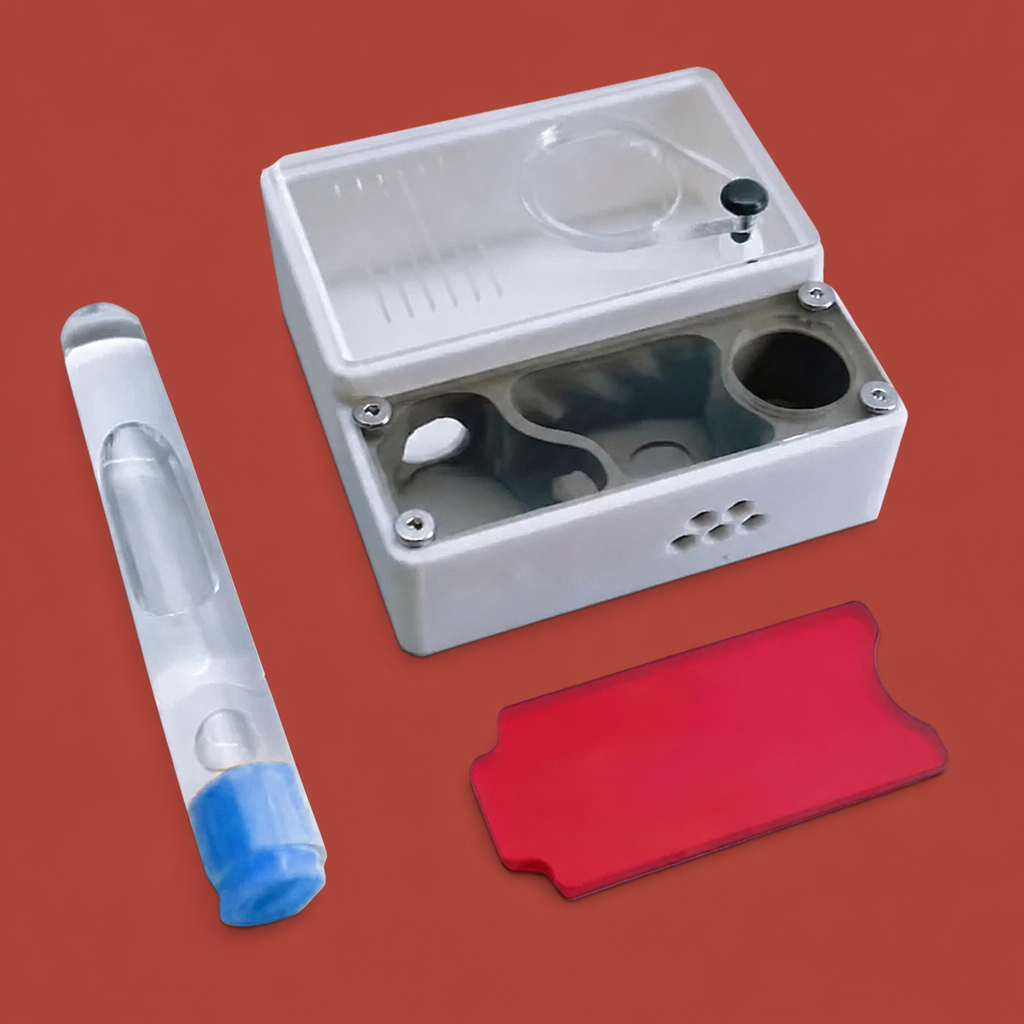
Printed in PLA, this small queen nest is compact and purpose-built for founding colonies and small ant species like Lasius niger (the common black garden ant) or early-stage Camponotus queens. The water tower is integrated directly into the design, passively diffusing moisture into the nest chambers without any pumps or wicks to maintain. Clean lines, solid construction, no fuss.
In Action
Watch Your First Workers Emerge
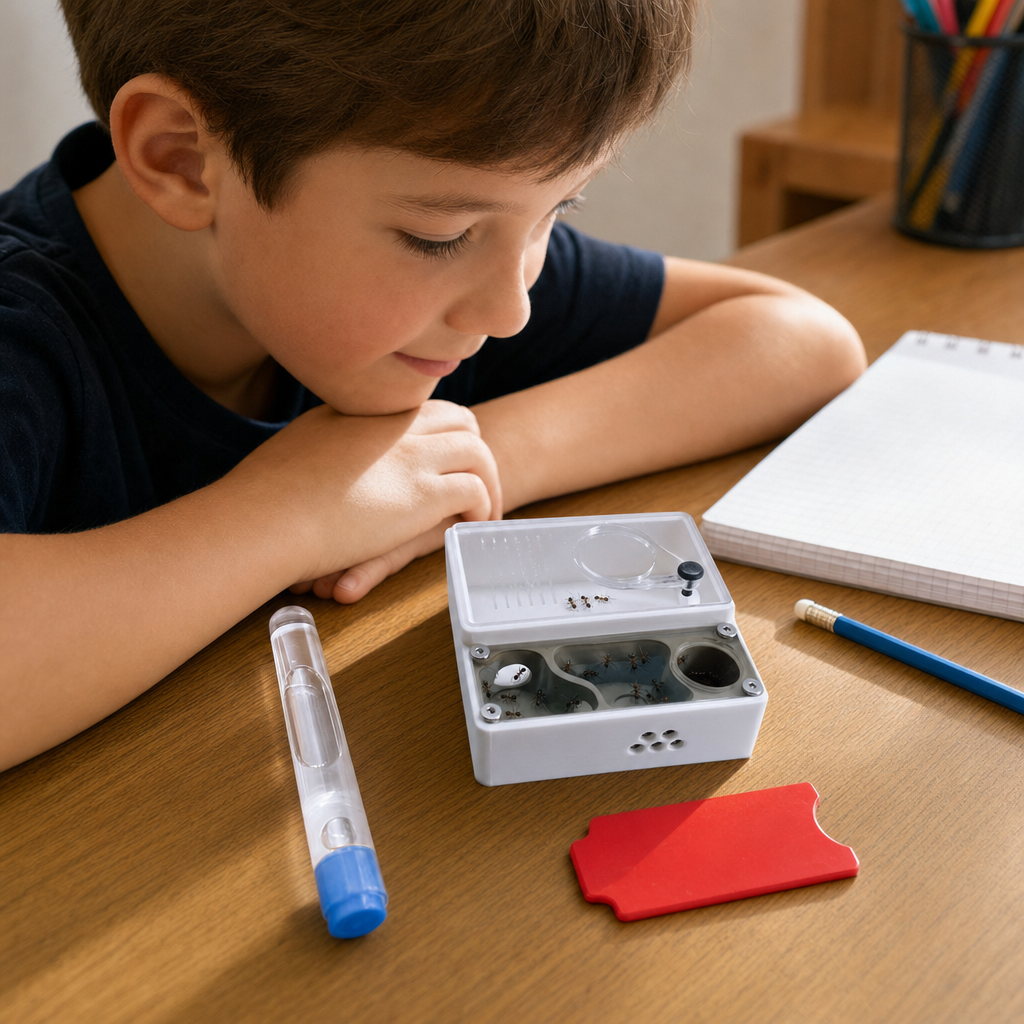
You place your newly caught queen inside, fill the water tower, and set the nest somewhere quiet and dark. Over the following weeks you check in, and one morning you spot the first tiny workers moving alongside her. That moment is why people get into this hobby. This ant farm is sized perfectly so nothing feels lost or empty during those early weeks when the colony is just a handful of ants.

Field Test
Humidity That Holds Without Daily Checks
The water tower does the heavy lifting between your refills. You are not misting twice a day or second-guessing whether the nest is too dry. For beginners especially, that reliability removes one of the biggest early mistakes in ant keeping. Experienced keepers appreciate it too because a founding nest that runs itself means more attention for the larger colonies already on the shelf.
FAQ
Your Questions Answered
What ant species is this nest suitable for?
This small queen nest is designed for small ant species and founding queens. Think Lasius niger (common black garden ant) or similarly sized species at the very start of their colony. It is not sized for large species like mature Camponotus colonies, which need significantly more space.
How does the water tower humidity system work?
The water tower is built directly into the 3D printed structure. You fill it with water and it passively diffuses moisture into the nest chambers over time. There are no pumps, wicks, or extra accessories required. You simply top it up when it runs low.
Is this nest suitable for a complete beginner?
Yes. The integrated humidity system removes one of the trickiest parts of founding a colony. If you just caught your first queen and want a reliable, low-maintenance setup, this is a solid starting point. Our ant keeping for beginners guide is also worth reading before you set up.
What material is the nest made from?
The nest is 3D printed in PLA, a rigid and safe plastic commonly used in ant keeping equipment. It holds its shape well, does not off-gas harmful compounds, and gives the nest its precise chamber geometry.
When should I move my colony to a larger nest?
This is a small founding nest, so once your colony grows beyond the early worker stage and chambers start feeling crowded, it is time to upgrade. Watch for workers clustering at the entrance or the queen running out of room. That is your signal to connect a larger formicarium.