Ma boutique
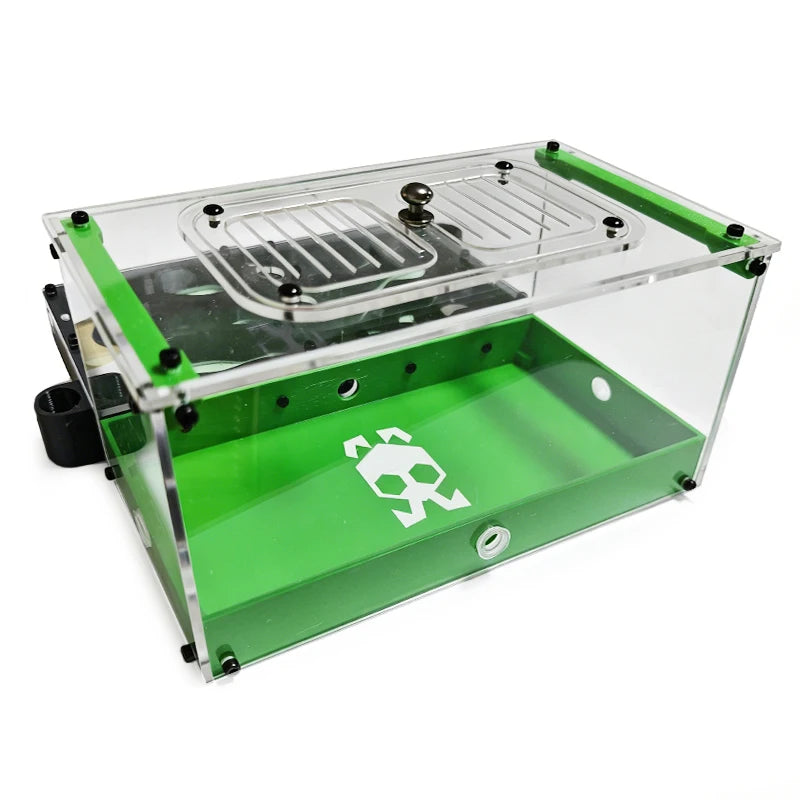
3D Acrylic Ant Farm with Feeding Area - 11x15x21cm
3D Acrylic Ant Farm with Feeding Area - 11x15x21cm
Couldn't load pickup availability
Technical Details
3D Acrylic Ant Farm with Feeding Area
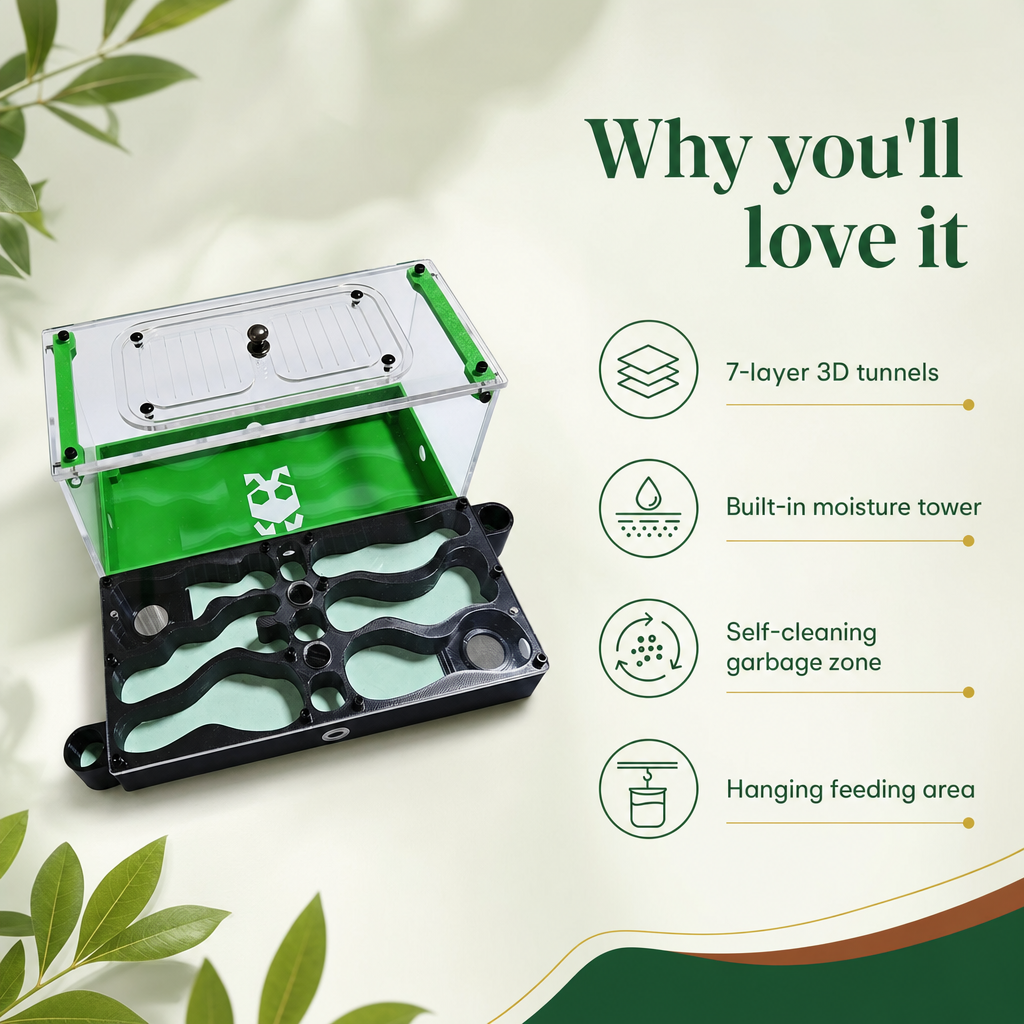
This 3D acrylic ant farm measures 11×15×21 cm and combines a living nest with a dedicated feeding area in a single compact unit. The transparent acrylic panels let you watch your colony from every angle, while the 3D-printed internal structure creates realistic tunnels and chambers. Designed for small to medium ant species, it suits beginners and experienced keepers alike. Check our ant keeping humidity and temperature guide to dial in the right conditions for your colony from day one.
Why It Changes Everything
Your Colony, Visible from Every Angle
Most flat ant farms give you one view. This 3D acrylic ant farm opens up the whole picture. You can follow workers through tunnels, watch the queen settle into her chamber, and actually understand what your colony is doing day to day. That shift from guessing to seeing is what turns a casual interest into a genuine passion for ant keeping.
Build & Materials
Acrylic Clarity Meets 3D-Printed Depth
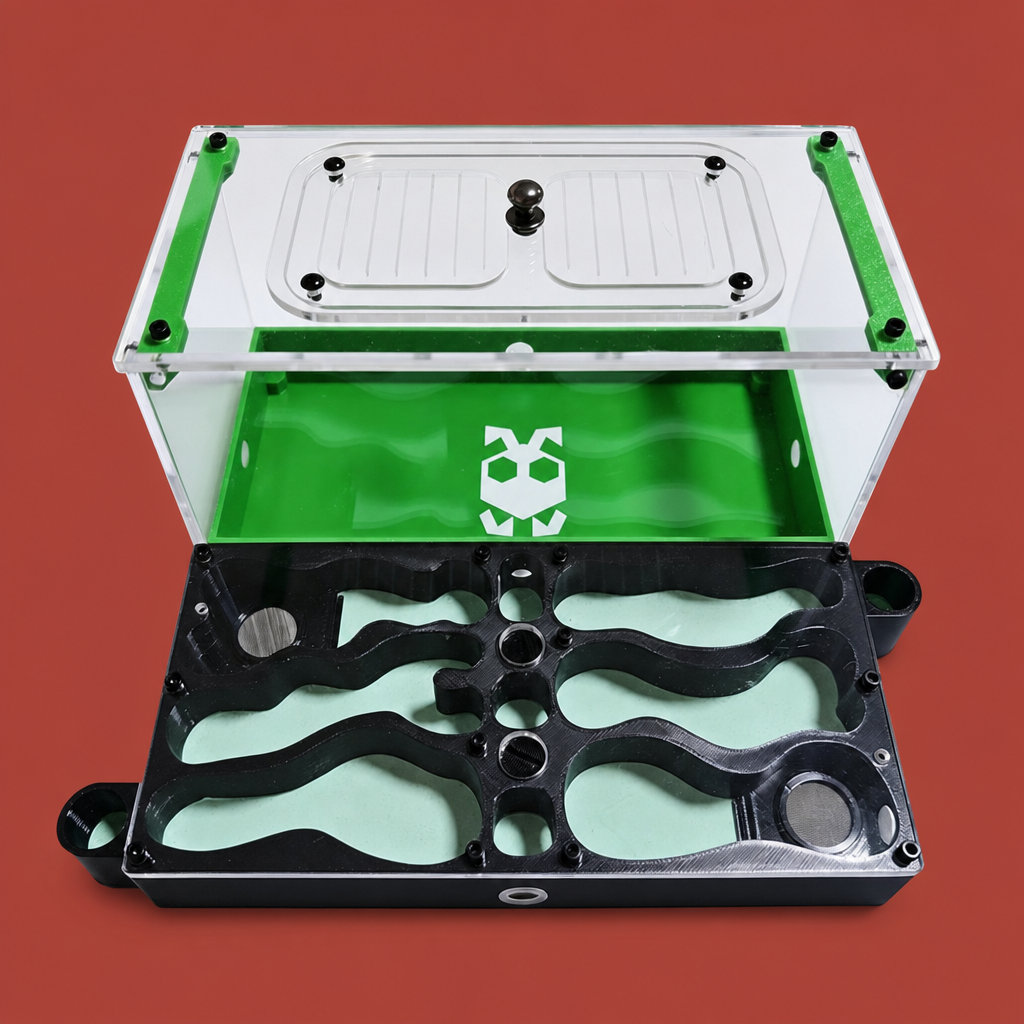
The outer shell is clear acrylic, scratch-resistant and easy to wipe down. Inside, the 3D-printed structure creates layered tunnels and chambers that mimic a natural nest far better than a flat sandwich of acrylic ever could. At 11×15×21 cm the footprint stays compact enough for a desk, yet the vertical height gives your colony real room to expand as worker numbers grow.
Picture This
Feeding Time Just Got a Lot More Interesting
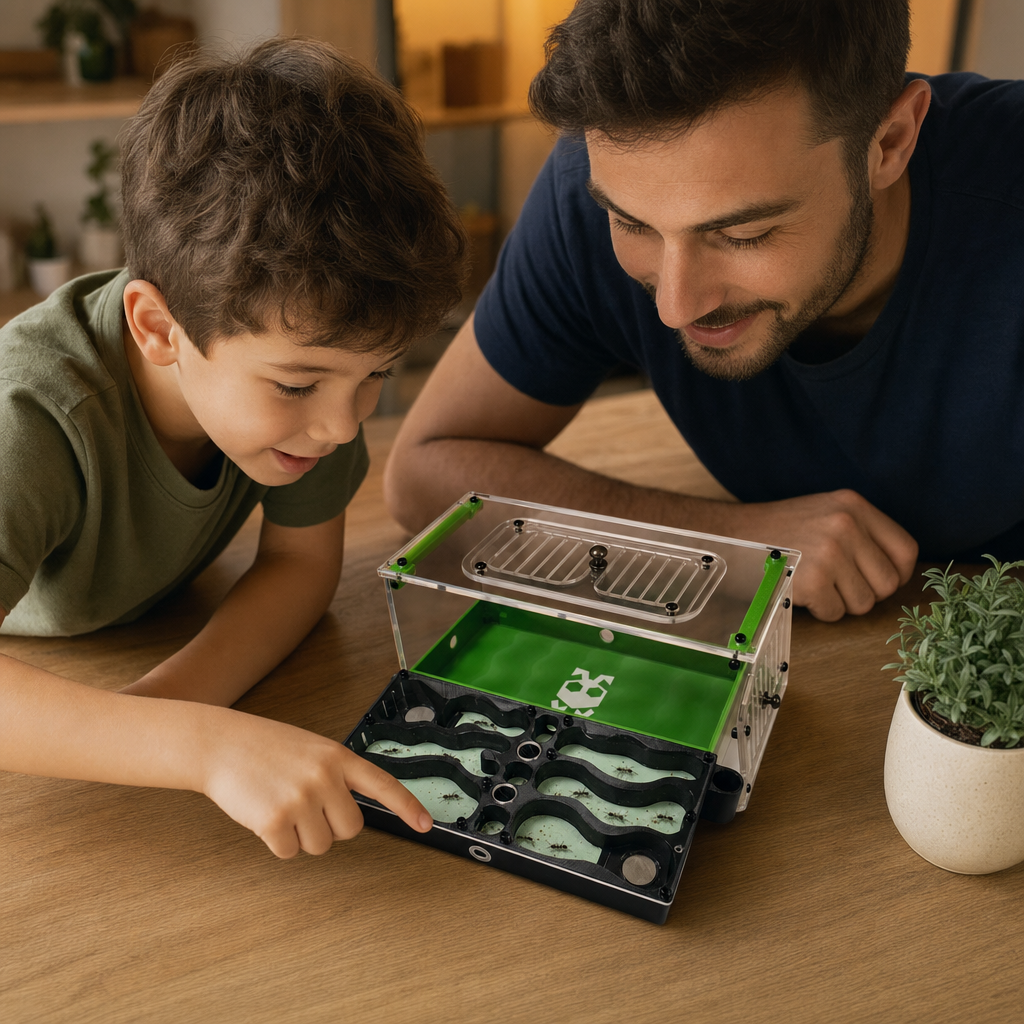
You drop a small piece of protein into the dedicated feeding area and step back. Within minutes a scout has found it, laid a trail, and a line of workers is moving back and forth between the foraging zone and the nest chambers. Because the feeding area is physically separate from the living space, the nest stays clean and your ants stay focused. It is one of those small design choices that makes a big daily difference.

Day-to-Day Reality
A 3D Ant Farm Built for Real Keeper Habits
Keepers who run multiple setups know that maintenance time adds up fast. The separated feeding area means leftover food does not end up buried in the nest, so cleaning stays quick and the colony stays healthy. The compact dimensions also mean you can fit this acrylic ant farm on a shelf alongside other nests without rearranging your whole setup. Practical, not just pretty.
FAQ
Your Questions Answered
What size ant species work best in this formicarium?
This 3D acrylic ant farm is designed for small to medium ant species. Think Lasius niger (the common black garden ant) or smaller Camponotus species. Very large species with big workers may find the tunnel dimensions restrictive, so check your species size before ordering.
What exactly is the feeding area and how does it work?
The feeding area is a dedicated zone integrated into the unit but physically separate from the nest chambers. You place food there so workers forage in one spot and carry resources back to the colony. This keeps the nest clean and makes it easy to remove uneaten food without disturbing your ants.
How do I maintain humidity in this acrylic ant farm?
Acrylic does not absorb moisture, so humidity management depends on how you water the 3D-printed internal structure. Add water carefully to the nest side only, keeping the feeding area dry. Our ant keeping humidity and temperature guide covers the right ranges for common species.
Is this a good first ant farm for a beginner?
Yes. The transparent acrylic walls make it easy to observe and learn from your colony, and the separate feeding area simplifies daily care. If you are just starting out, our ant keeping for beginners guide walks you through everything you need before your first colony moves in.
What are the exact dimensions of this ant farm?
The unit measures 11 cm wide, 15 cm deep, and 21 cm tall. That vertical height is the key number: it gives the colony meaningful space to build downward, as many species prefer, while keeping the overall footprint small enough for a desk or shelf.