Ma boutique
Gypsum Ant Farm Castle Nest - High-Humidity, Feeding Area
Gypsum Ant Farm Castle Nest - High-Humidity, Feeding Area
Couldn't load pickup availability
Technical Details
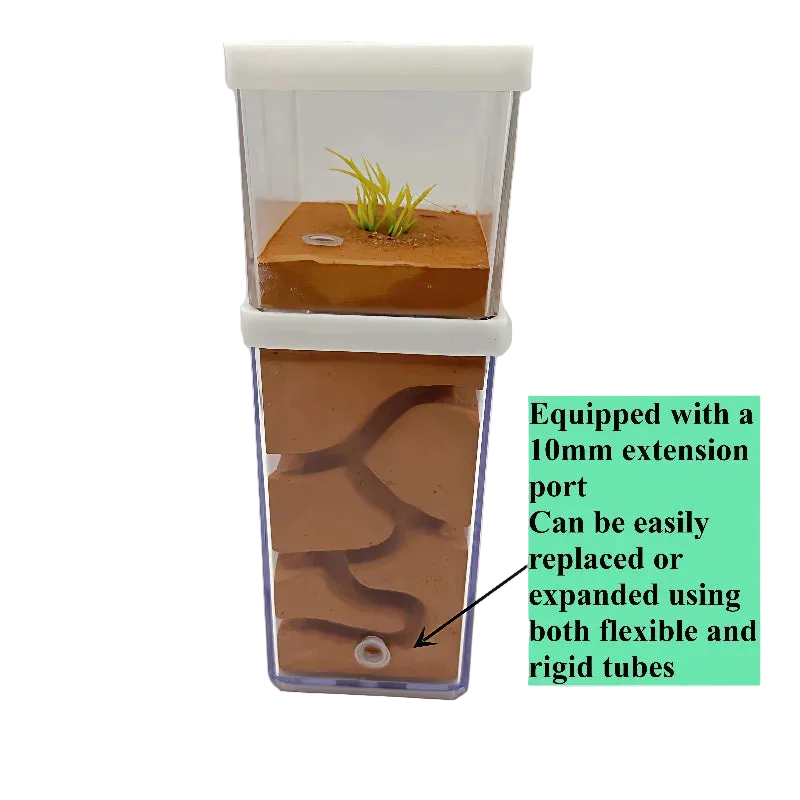
Gypsum Ant Farm Castle Nest Specs
This gypsum ant farm is shaped like a castle and built specifically for high-humidity species. It features a dedicated feeding area separated from the nesting chambers, so your colony stays clean and organized. The gypsum material naturally retains moisture, making humidity management straightforward. Designed for small to medium colonies, it suits a wide range of common species. Check our ant keeping humidity and temperature guide before setting up, and browse the full ant nests collection to compare options.
The Big Win
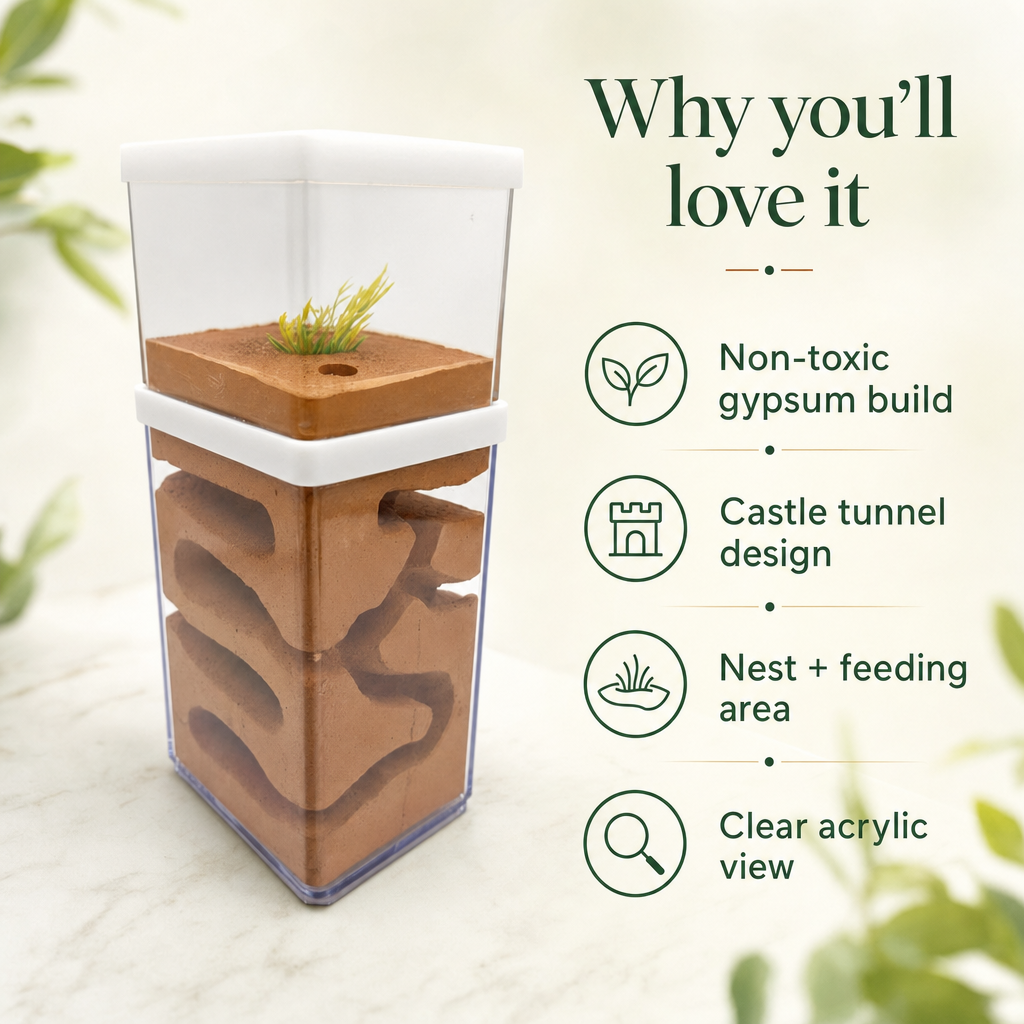
A Castle Your Colony Will Actually Thrive In
Humidity-loving species like Lasius niger (your classic black garden ant) or Camponotus (the big carpenter ants) need a nest that holds moisture without turning into a swamp. Gypsum does exactly that. It breathes, buffers, and keeps conditions stable so you spend less time worrying about your colony and more time watching them work. This is the setup that removes the guesswork.
Built Right
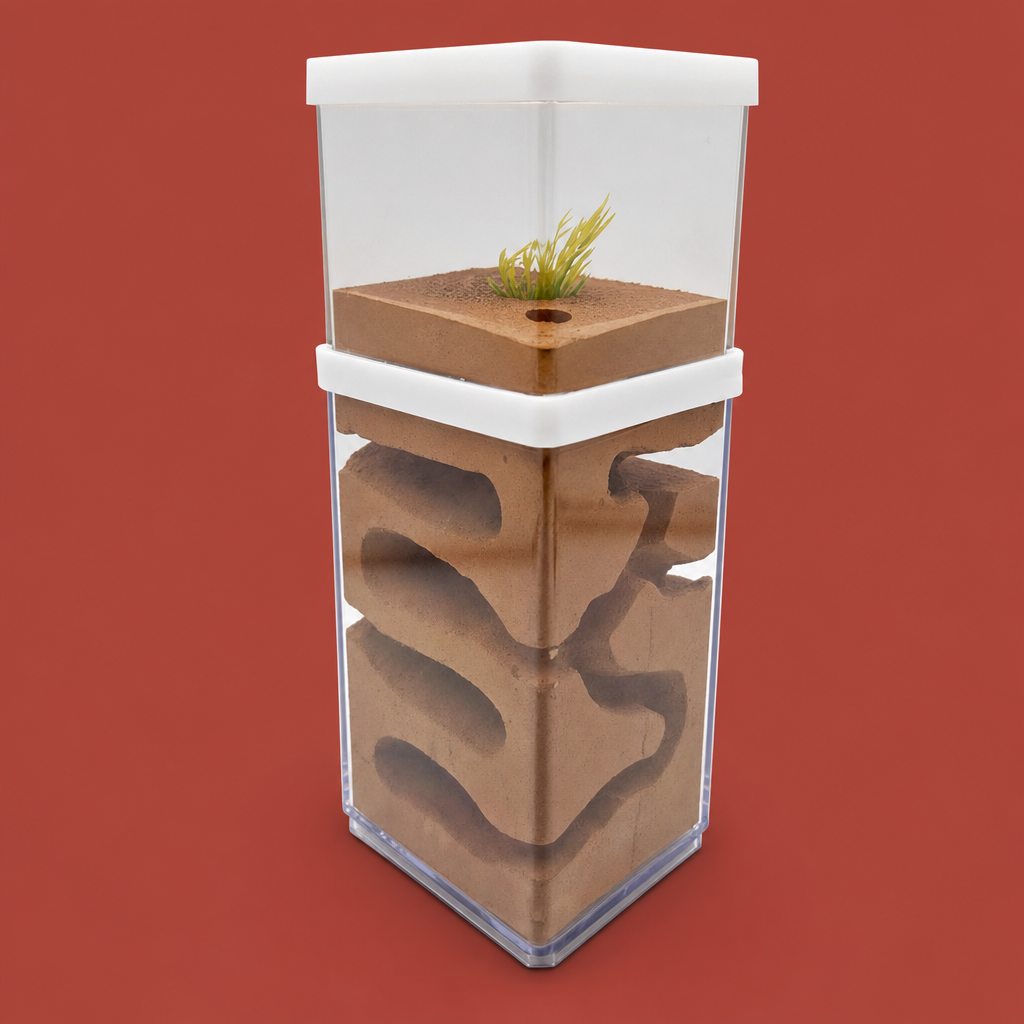
Gypsum Castle Nest, Designed for Humidity
Gypsum is the go-to material for keepers who want natural moisture regulation without constant intervention. This castle-shaped formicarium is carved with a dedicated feeding area, keeping food waste away from the nesting chambers. That separation matters: it keeps your colony healthier and your nest cleaner for longer. The castle design is not just aesthetic, it gives the structure depth and visual interest you will genuinely enjoy.
Picture This
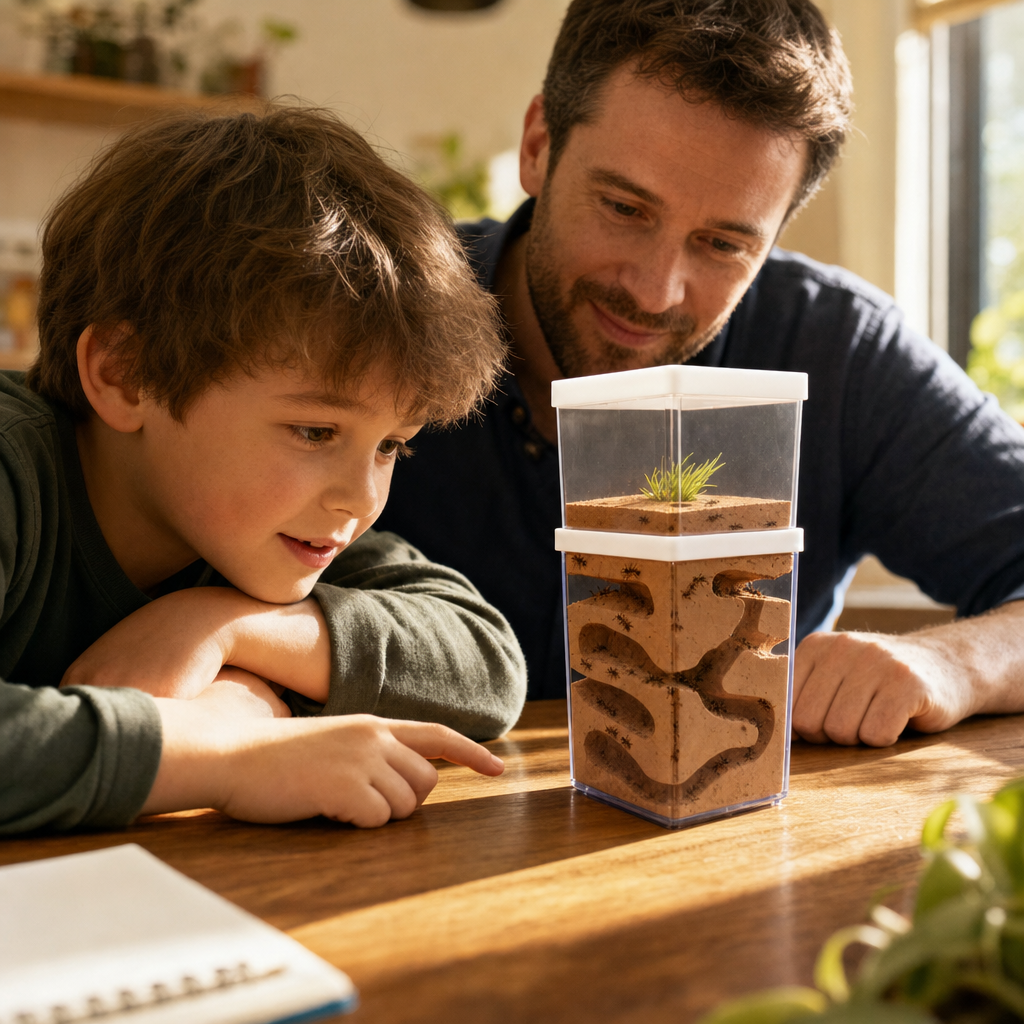
Morning Feeding, Zero Mess in the Nest
You drop a small piece of protein into the feeding zone, and within minutes workers are streaming out to retrieve it. Because the feeding area is separate, nothing rots inside the nesting chambers. You top up the water source, check the gypsum walls for that satisfying damp-but-not-wet feel, and your colony of Messor barbarus (the seed-harvesting ants) is already back to business. Clean, calm, and completely under control.

Daily Reality
Less Fussing, More Watching
Gypsum nests earn their reputation in the day-to-day. You water less frequently than with acrylic setups, and the material tells you exactly what it needs: pale means dry, dark means well-hydrated. The separate feeding area means cleaning is quick and targeted. Whether you are a first-time keeper or running several colonies, that kind of low-maintenance reliability makes a real difference over weeks and months.
FAQ
Your Questions Answered
Which ant species work best in this gypsum castle nest?
This nest is built for high-humidity species. Think Lasius niger (black garden ants), Camponotus (carpenter ants), or similarly moisture-loving colonies. If your species prefers dry conditions, a different nest material would suit them better.
How do I manage humidity in a gypsum formicarium?
Gypsum naturally absorbs and releases moisture. You add water to the designated area and the material distributes it gradually. The color of the gypsum is your guide: pale means it needs water, darker means humidity is good. No guesswork needed.
What is the feeding area and why does it matter?
The feeding area is a dedicated zone separate from the nesting chambers. You place food there instead of inside the nest. This keeps the living quarters clean, reduces mold risk, and makes it easy to remove uneaten food without disturbing your colony.
Is this nest suitable for a founding queen or a small new colony?
It is designed for small to medium colonies. A founding queen or a young colony with a few dozen workers will feel right at home. The enclosed chambers provide the dark, secure environment that helps early-stage colonies settle and grow confidently.
How do I clean a gypsum ant nest?
The separate feeding area makes cleaning straightforward: remove uneaten food regularly from that zone. Avoid soaking the gypsum or using chemical cleaners. The material is porous, so gentle and minimal intervention keeps it in good condition long-term.