Ma boutique
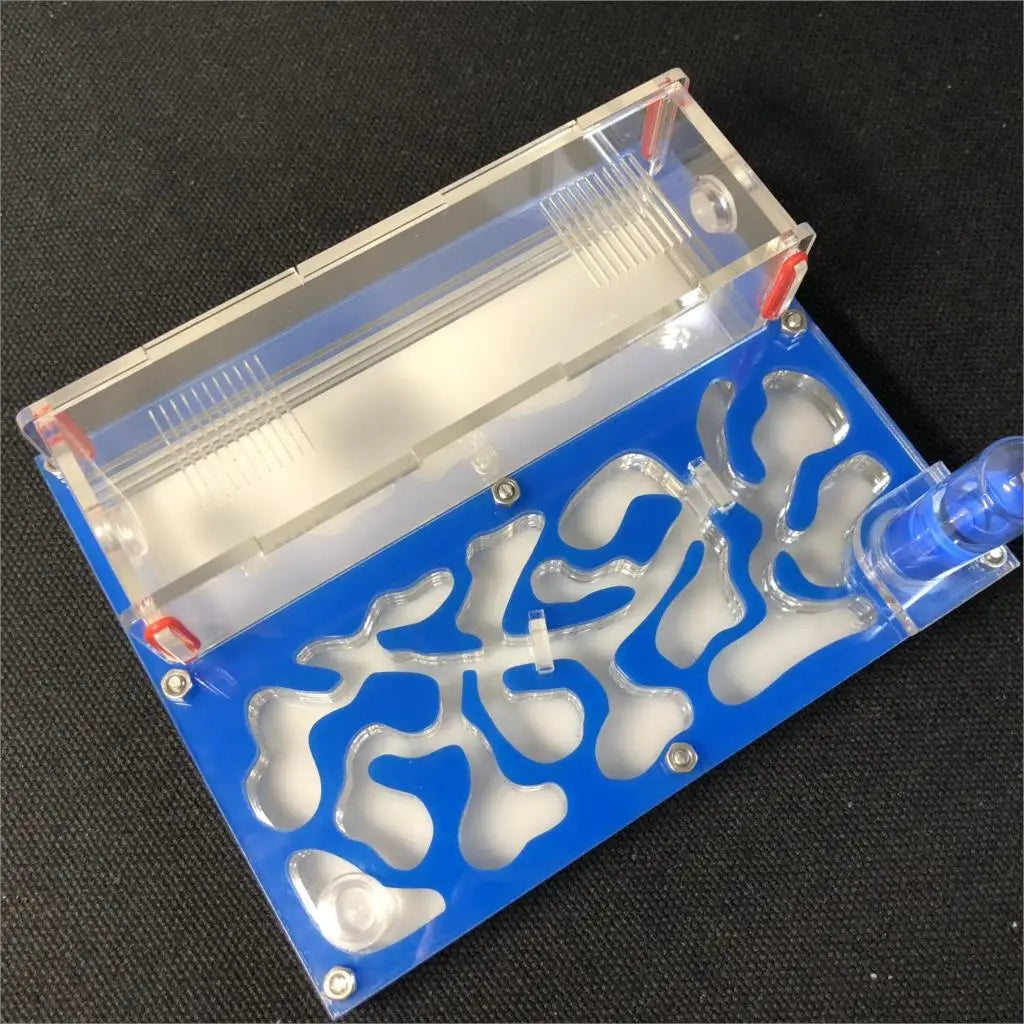
Acrylic Ant Farm with Test Tube Moisture Nest, 150×110mm
Acrylic Ant Farm with Test Tube Moisture Nest, 150×110mm
Couldn't load pickup availability
Technical Details
Acrylic Ant Farm with Test Tube Moisture Nest
This acrylic ant farm measures 150×110mm and comes with an integrated test tube moisture nest, giving your colony a ready-made humid founding chamber right out of the box. The clear acrylic panels let you observe every tunnel and chamber without disturbing your ants. Designed for small to medium colonies at any stage, from a freshly caught queen to a growing workforce. Check our ant keeping humidity and temperature guide before setting up, and browse our full ant nests collection if you want to compare formats.
The Big Change
Your Queen Finally Has the Right Start
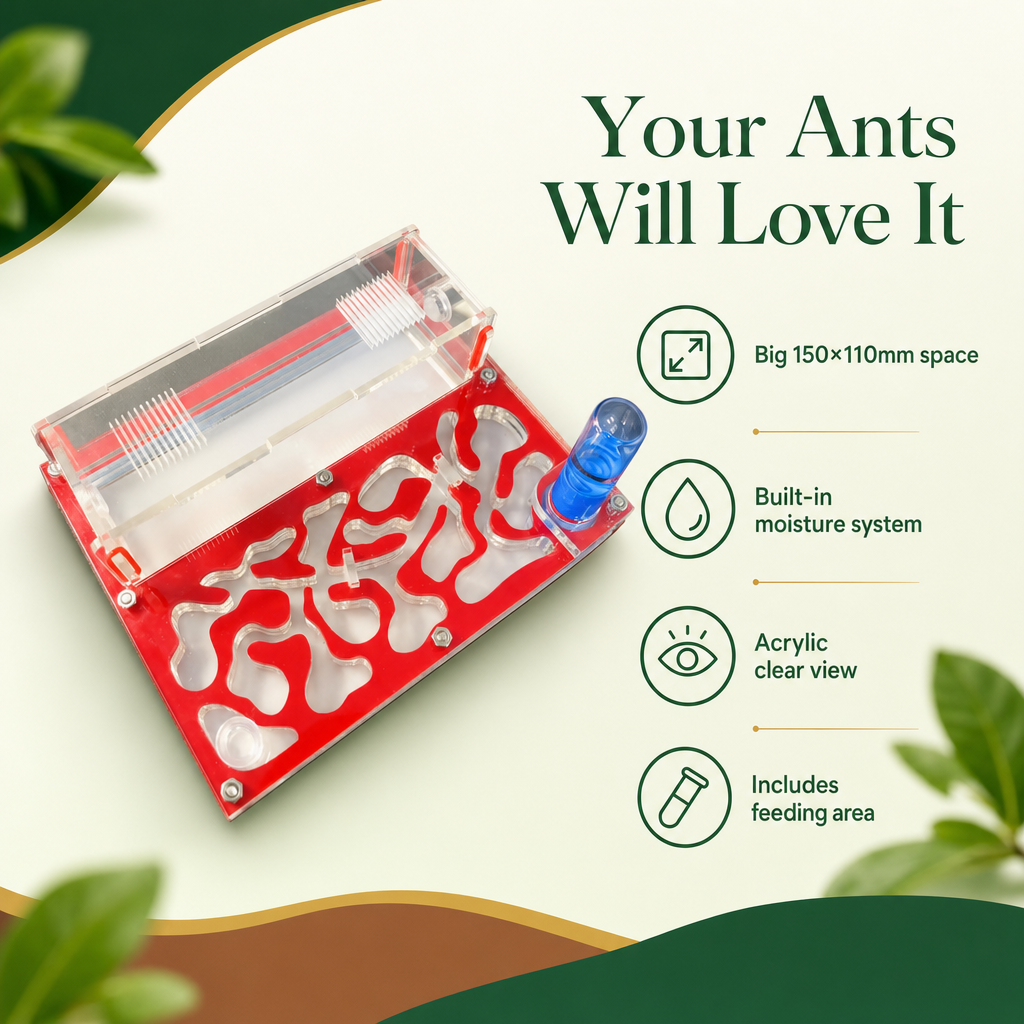
Most beginners lose their first queen to a nest that dries out too fast or stresses her during founding. This acrylic ant farm pairs clear observation panels with a test tube moisture nest so your queen stays in the humid, dark conditions she needs to raise her first brood. You stop guessing and start watching your colony actually grow, week by week, right through the walls.
Build & Materials
Clear Acrylic, Smarter Moisture Design
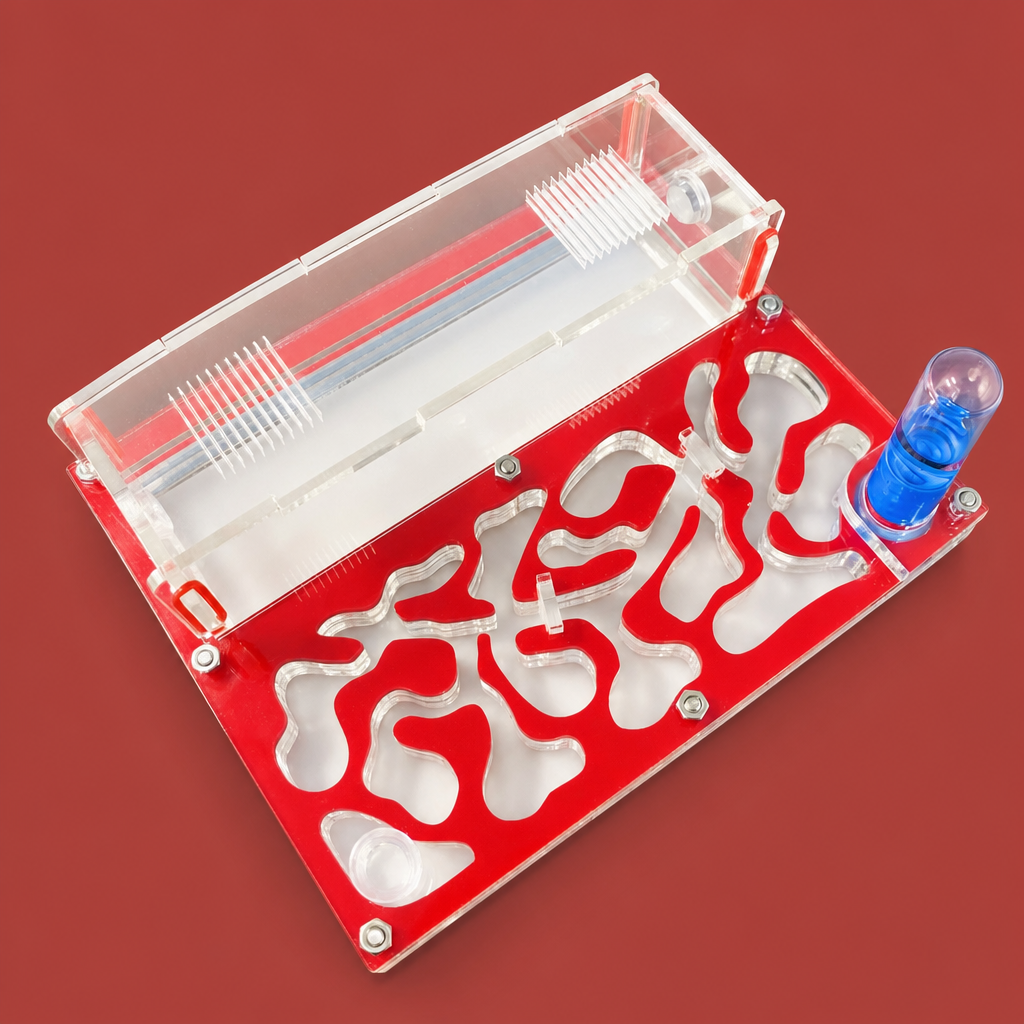
The farm is built from clear acrylic, which is sturdy, lightweight, and scratch-resistant enough for daily handling. At 150×110mm it sits comfortably on a desk without taking over your space. The test tube moisture nest is the real standout: it keeps humidity stable in the founding chamber without you having to re-wet cotton or guess at water levels every other day. Simple, honest engineering.
In Real Use
Watch a Lasius Niger Colony Build From Day One
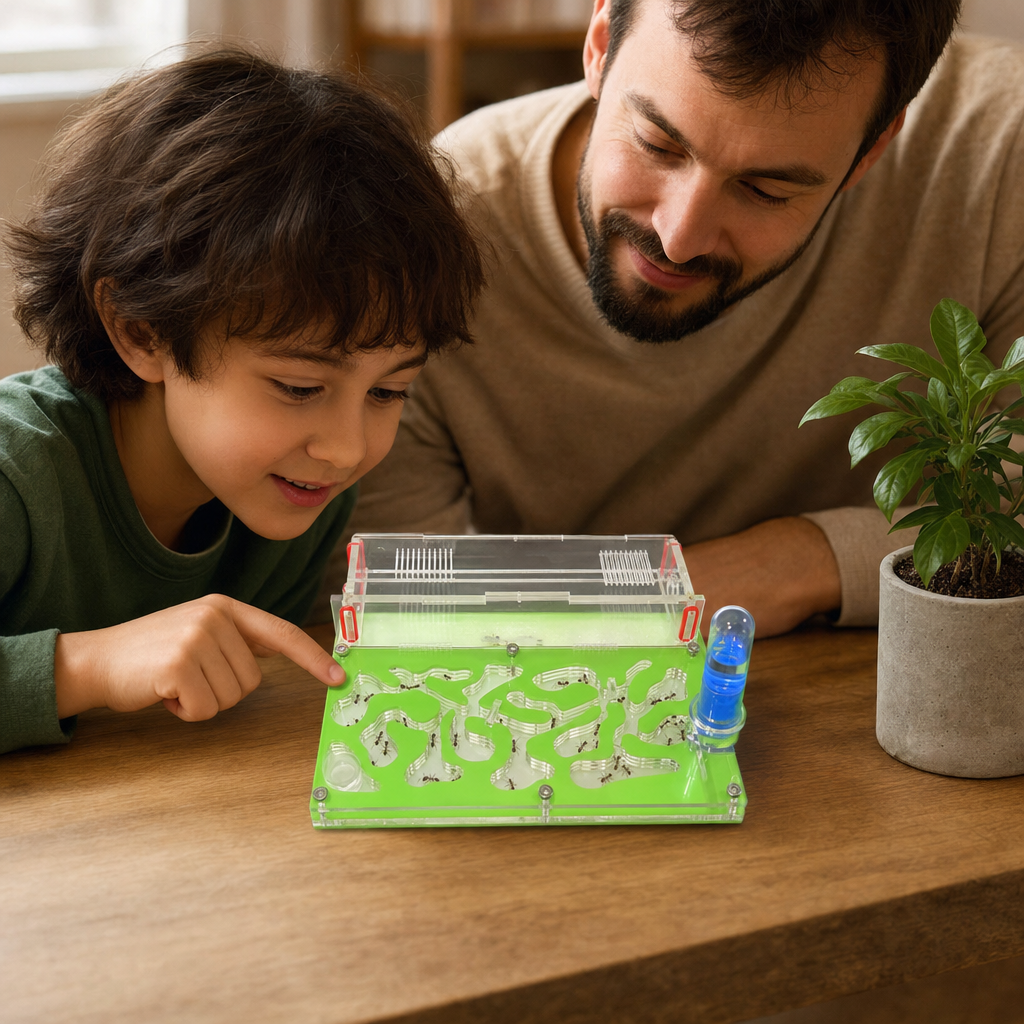
Picture this: you caught a Lasius niger queen, one of the most common and beginner-friendly species, during nuptial flight season. You place her in the test tube moisture nest, slot it into the farm, and set the whole thing on your desk. Within days you are watching her lay her first eggs through the clear acrylic walls, no digging required, no disturbing the nest, just a front-row seat to colony founding.

Daily Keeper Proof
Less Fuss, More Time Watching Your Ants
The test tube moisture nest means you are not re-wetting cotton every few days or stressing about whether the founding chamber is humid enough. The compact 150×110mm footprint fits on a shelf next to your other setups without crowding them. Acrylic cleans up fast with a damp cloth. For keepers running multiple colonies, that saved maintenance time adds up quickly across a whole rack.
FAQ
Your Questions Answered
What size colony is this ant farm designed for?
It is designed for founding-stage queens through small to medium colonies. The 150×110mm footprint gives enough space for early growth without being overwhelming for a lone queen or a young workforce just getting started.
How does the test tube moisture nest work?
The test tube moisture nest is an integrated founding chamber that maintains humidity for your queen and her first brood. It removes the need to manually re-wet cotton plugs constantly, keeping conditions stable during the critical early stage of colony development.
Can I see my ants clearly through the walls?
Yes. The farm is made from clear acrylic panels, so you get a full, unobstructed view of tunnels, chambers, and ant activity at all times without needing to open or disturb the nest.
Which ant species work well in this farm?
Any small to medium species suits this format well. Common beginner species like Lasius niger or Messor barbarus, the seed-harvesting ant, are great fits. Larger species like Camponotus may need a bigger setup as the colony grows.
How do I clean and maintain this acrylic ant farm?
Acrylic wipes down easily with a damp cloth. Avoid abrasive cleaners that can scratch the panels. The test tube moisture nest reduces daily maintenance, but you should still monitor humidity levels regularly, especially during warmer months.