

Ant colony maintenance: expert tips for success
An ant colony depends on you for water, food and humidity every week.
Missed checks can let a colony shrink or escape, and the cause is often hard to find. This article walks you through a fixed upkeep routine for feeding, humidity, cleaning, mold, escape points and colony growth.
Ant colony maintenance tips begin with a short, repeatable check
Keep each check short and at a fixed time. A founding test tube needs a look every two to three days in hot weather, and a water-tower nest needs regular checks.
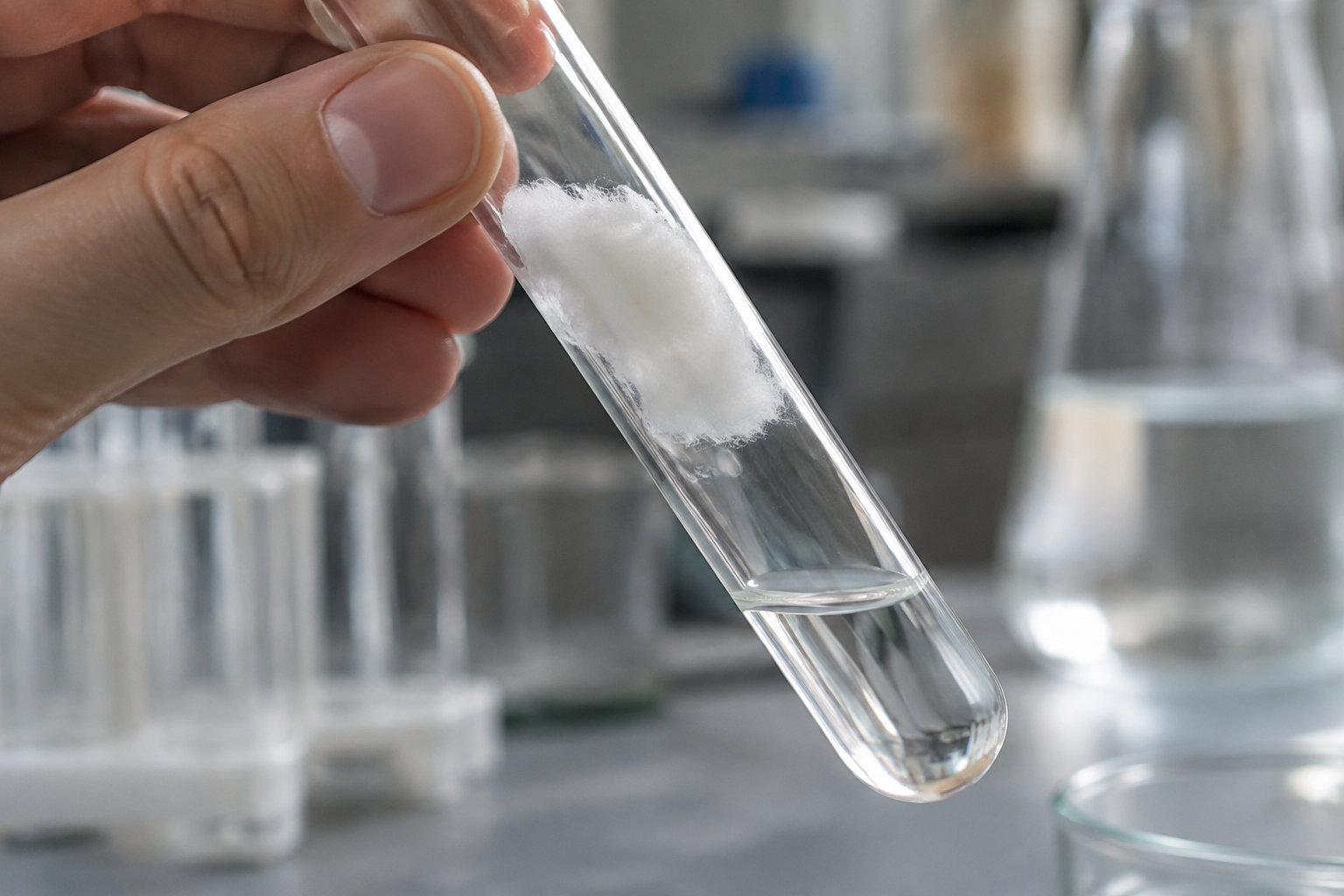
Young queens react to light and vibration, so frequent, irregular opening slows their growth.
If your colony keeps shrinking, check colony failure causes and fixes before you change its setup.
Run the same check each time, in this order:
- Water: check the reservoir when the cotton looks dry. In a founding tube, tilt it gently to see if it still holds moisture.
- Food: check whether the last portion has been eaten.
- Lid and fittings: tighten any loose joints every few weeks.
- Escape barrier: replace worn coatings on the mesh and PTFE band.
- Mold: look for visible mold in the outworld.
How often a colony needs water, sugar and protein
Water and carbohydrates
Keep clean drinking water available at all times. Use a safe feeder, or a test tube plugged with cotton. Cover any open water with cotton or small stones so workers cannot drown.
Offer sugar water or diluted honey two to three times a week, in small portions, in the outworld. Workers use these carbohydrates for energy, so this regular sugar feeding matters.
Protein portions for growing brood
Protein matters most when larvae are growing, so set the portion by the brood.
| Check | Colony with growing larvae | Colony with no larvae |
|---|---|---|
| Protein portion | One small insect, such as a fruit fly or cricket piece, per 10 to 20 workers on feeding days | Less, matched to the colony size |
| Uneaten food | Remove within 24 to 48 hours | Remove within 24 to 48 hours |
Seed-harvesting species such as Messor barbarus eat mainly small seeds, so don’t feed them on the general protein schedule. Young colonies do well with small, soft seeds: add only a small amount, and refill when the store runs low.
Keep the seed store dry so it doesn’t grow mould. For humidity and nest wear over several years, see the five-year care guide.
Humidity gradient: one damp zone and one drier zone
Keep one nest area damp for the brood and another drier. Seed-storing ants need that dry area, because damp seeds can sprout or mold.
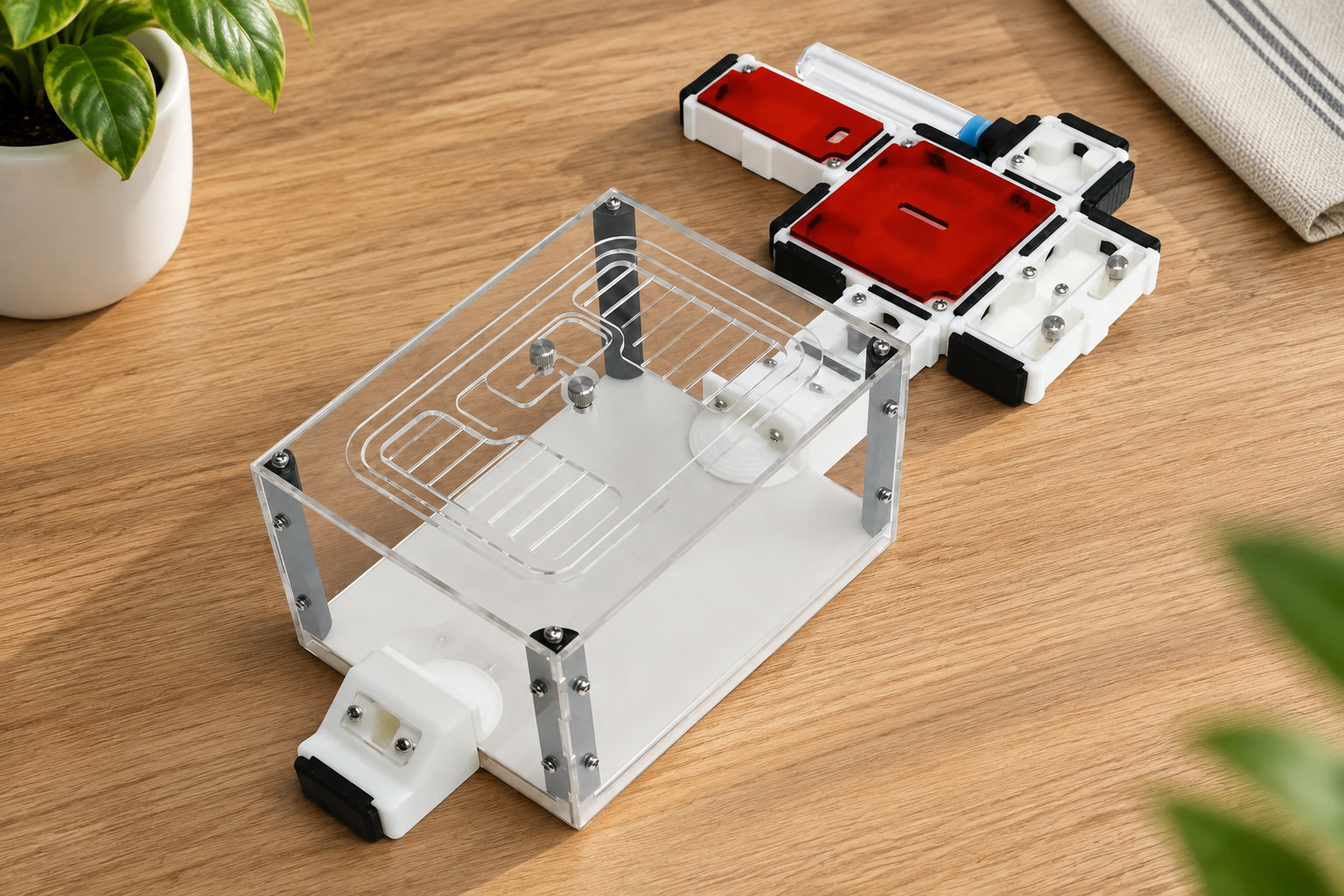
Plaster nests absorb and release moisture, which keeps humidity steady. For common species, aim for 50 to 70% relative humidity during brood development. Care needs vary by species, so before you change anything, see common beginner mistakes.

Brood temperature and moisture by species
Messor barbarus
- Keep the brood area moist.
- Winter rest: 45 days at about 12°C, within a 10–18°C range.
Lasius niger
- Brood develops at a steady pace at 24–28°C.
- Below 20°C, development slows.
- Keep the nest out of direct sunlight.
Mold and waste: what to remove and what to leave alone
Leftover food and dead insects in the outworld are the main source of mold. Remove them at every check, before they start to rot.
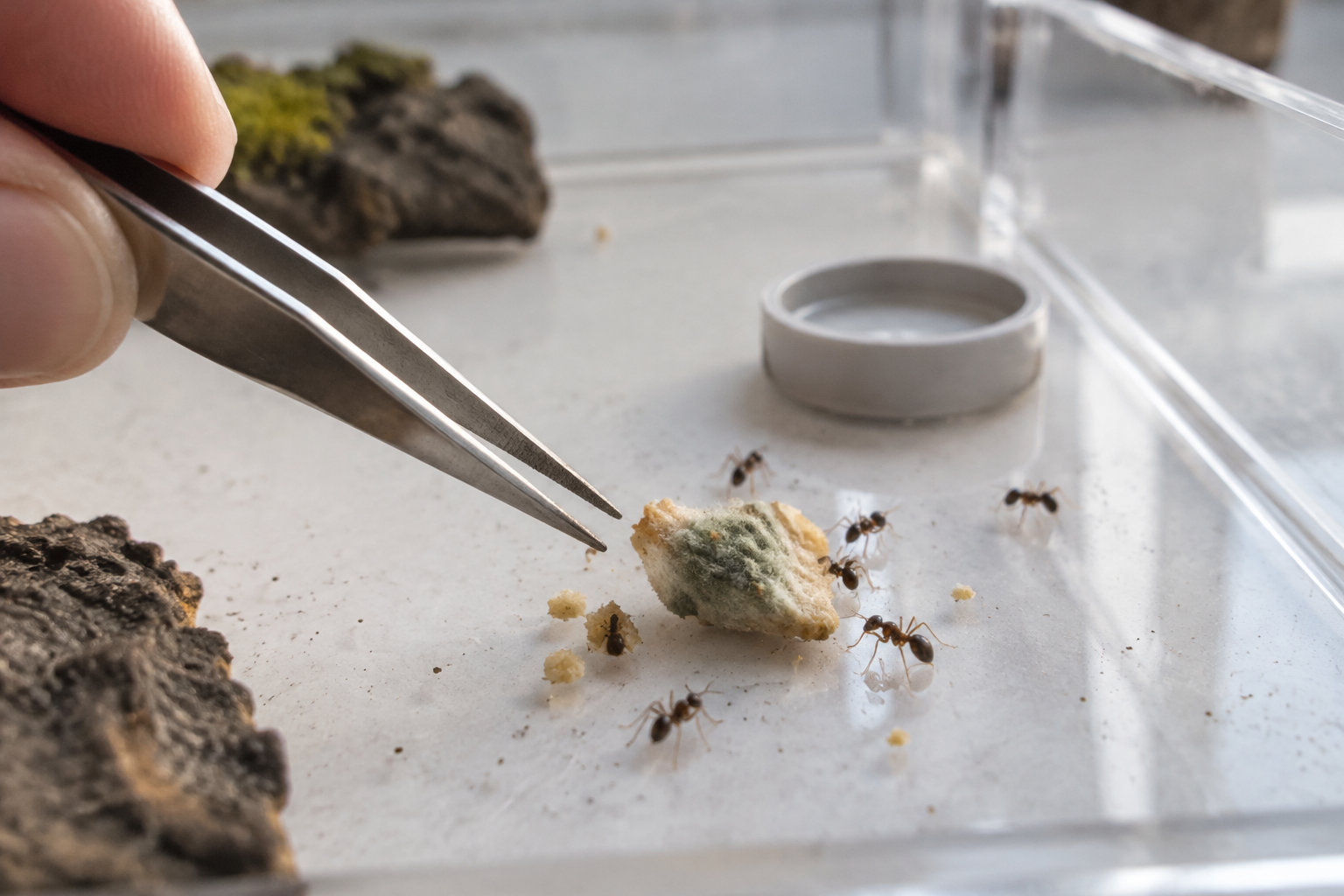
Put new food in the outworld, never inside the nest, and remove whatever is uneaten within 24 to 48 hours. For an outworld that is easy to empty, see setup steps for an ant outworld.
One rule for mold and waste:
- Clean the outworld and pick out dead ants with tweezers.
- Leave the nest alone, since workers manage brood and waste there.
- If mold appears, add ventilation and use less water, keeping brood zones moist, not wet.
- If mold reaches brood in a founding tube, remove the affected part carefully.
- Serious mold or flooding means moving the colony to healthier housing.
Escape prevention depends on mesh size and lid fit
Escape risk depends on the smallest workers in your colony, not the average ones. A mesh that stops the big workers can still let the small ones out, so size the mesh to them.
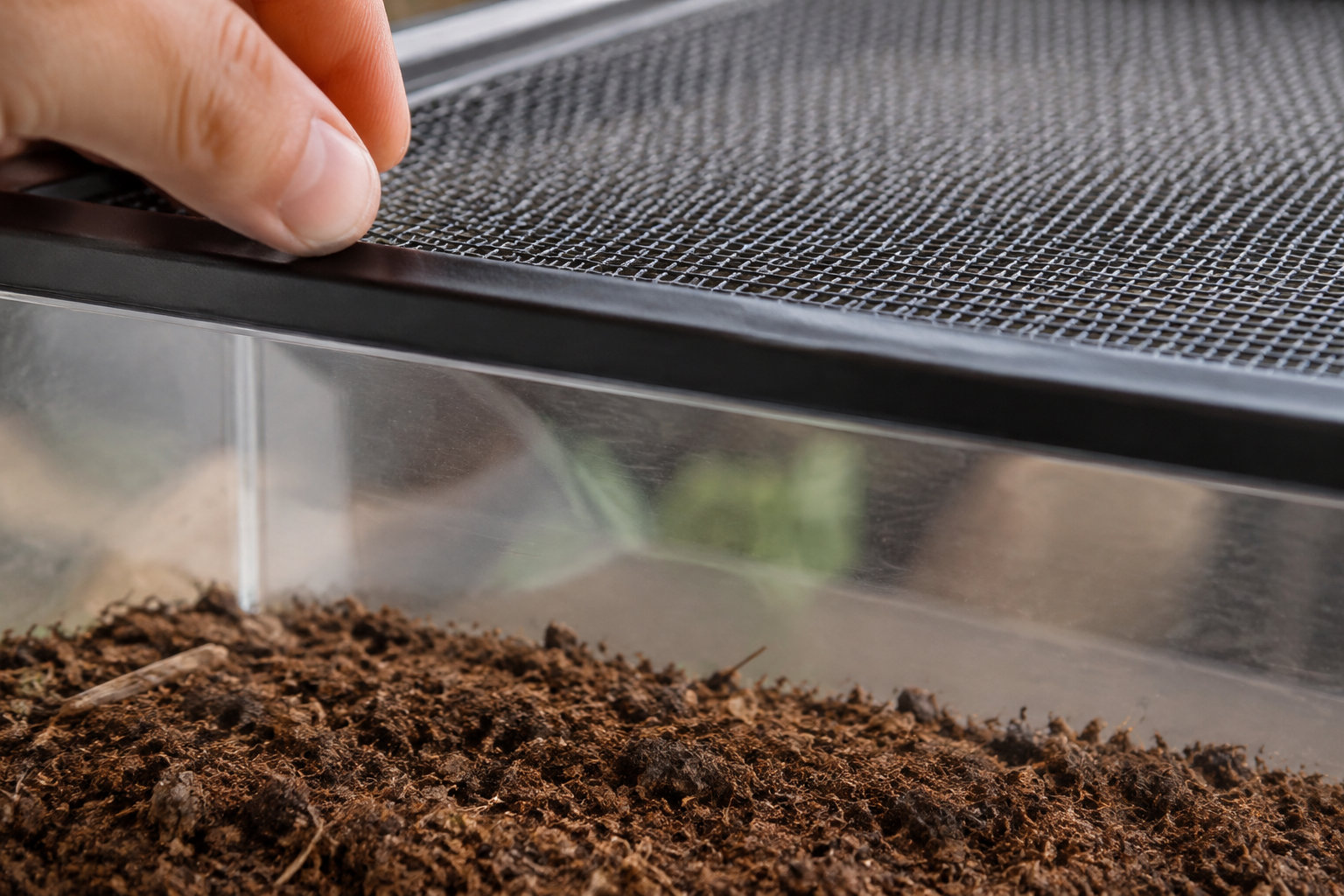
A lid that does not sit flush leaves the same gap. For a nest that matches your colony’s size, see how to match nest size to colony growth.

Check each escape point every few weeks:
- Lid: press it down and check that it sits flush all round.
- Tube joints: push each one by hand and look for gaps.
- **Mesh: for Myrmica rubra, use openings of 0.2 mm or less.** 0.5 mm is too wide for its 4–5 mm workers.
- PTFE band: check that the 2 cm band above the substrate line stays clear of substrate.
Why a colony stops growing and what to check first
Colony growth depends on the queen and the brood, not only on worker care. Ants develop through egg, larva, pupa and adult.
At about 24°C, a Lasius niger brood takes 6 to 8 weeks from egg to adult, and a Messor barbarus brood takes 9 to 14 weeks. When growth stalls, count the weeks the brood needs before you change anything.
When growth stalls, check these first:
- Protein: colonies with larvae still need it, about one small insect per 10 to 20 workers.
- Food and water: keep both available at all times.
- Disturbance: stop frequent handling and unnecessary moves.
- Queen: a young queen may not have workers yet. Without a queen, a worker-only group lasts only weeks to a few months, depending on species, even with food and water.
Moving a colony to larger housing without stressing it
Move the colony when it is crowded, not because a set number of months has passed. Watch for workers crowding the walls or searching for more space. That is the signal.
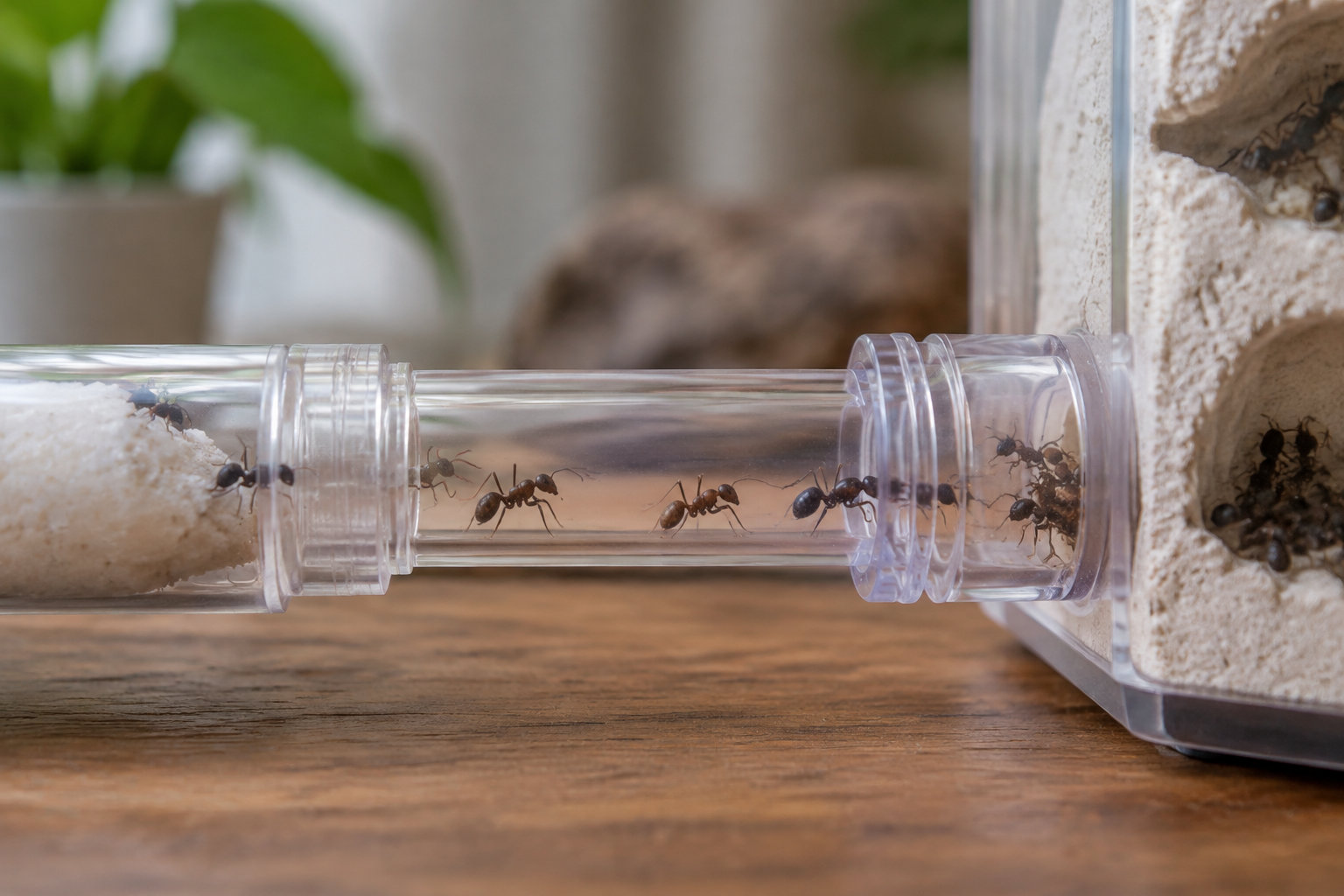
A nest that is too large causes its own trouble. Unused chambers collect waste, so a bigger home is not better by default.

Before you start, see step-by-step transfer of an ant colony to a new nest.
Moving to a larger nest
Connect the nests
Fit a secure tube between them. Success: workers walk across it.
Let workers carry the brood
Never pour the colony in. Success: pupae and queen reach the new chambers.
Keep the new nest dark
Keep it dark and moist, and make the old tube bright and dry. Success: the queen may follow within a day or two.
Keep the routine fixed: the same checks, in the same order, at the same time. Water, food, escape points and mold cover most upkeep problems.
Your next step is to write the five checks on a card, pin it near the nest, and run them at the same time this week. If growth stalls, go back to the card before you change the setup.
Frequently asked questions
How do you know if a queen ant has mated?
Shed wings are a first sign that a queen may have mated, but eggs or brood are stronger proof that founding has begun.
Look inside the nest for small white eggs laid by the queen. Once you see them, the colony has started.
How long will my ant colony live?
A queen-right colony can last for years, as long as its queen stays alive and workers are replaced as they die. The queen sets how long the colony lives, not the workers.
So the best way to make a colony last is to keep the queen healthy and the nest in good shape, with food, water and humidity available at all times.
Can I use tap water for my ant colony?
No, not for a founding test tube. Use distilled or purified water there, and avoid tap water in that setup. Keep a bottle of distilled water on hand for refills, so you never reach for the tap.