Ma boutique
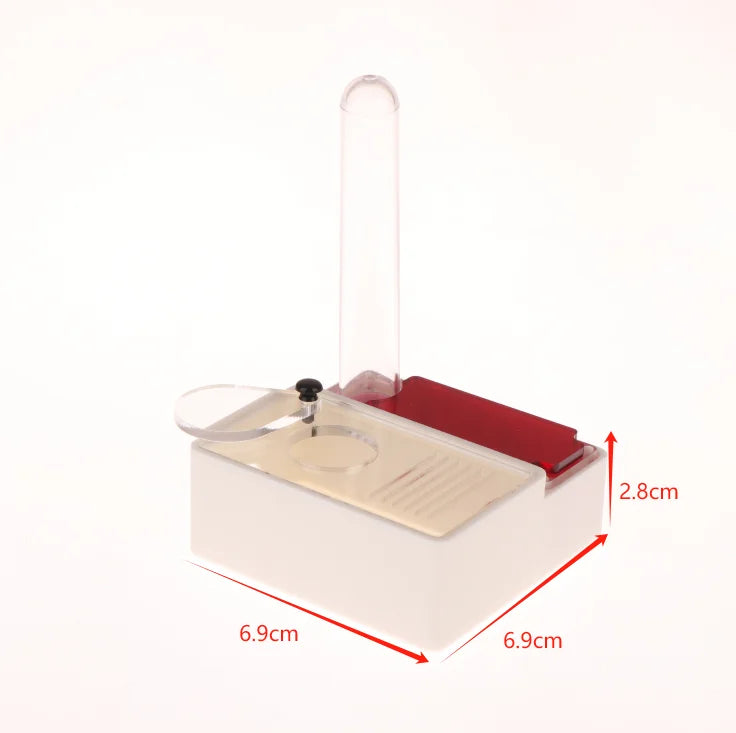
3D Printed Ant Farm Nest for Beginners - Dark & Pink
3D Printed Ant Farm Nest for Beginners - Dark & Pink
Couldn't load pickup availability
Technical Details
3D Printed Ant Farm Nest for Beginners
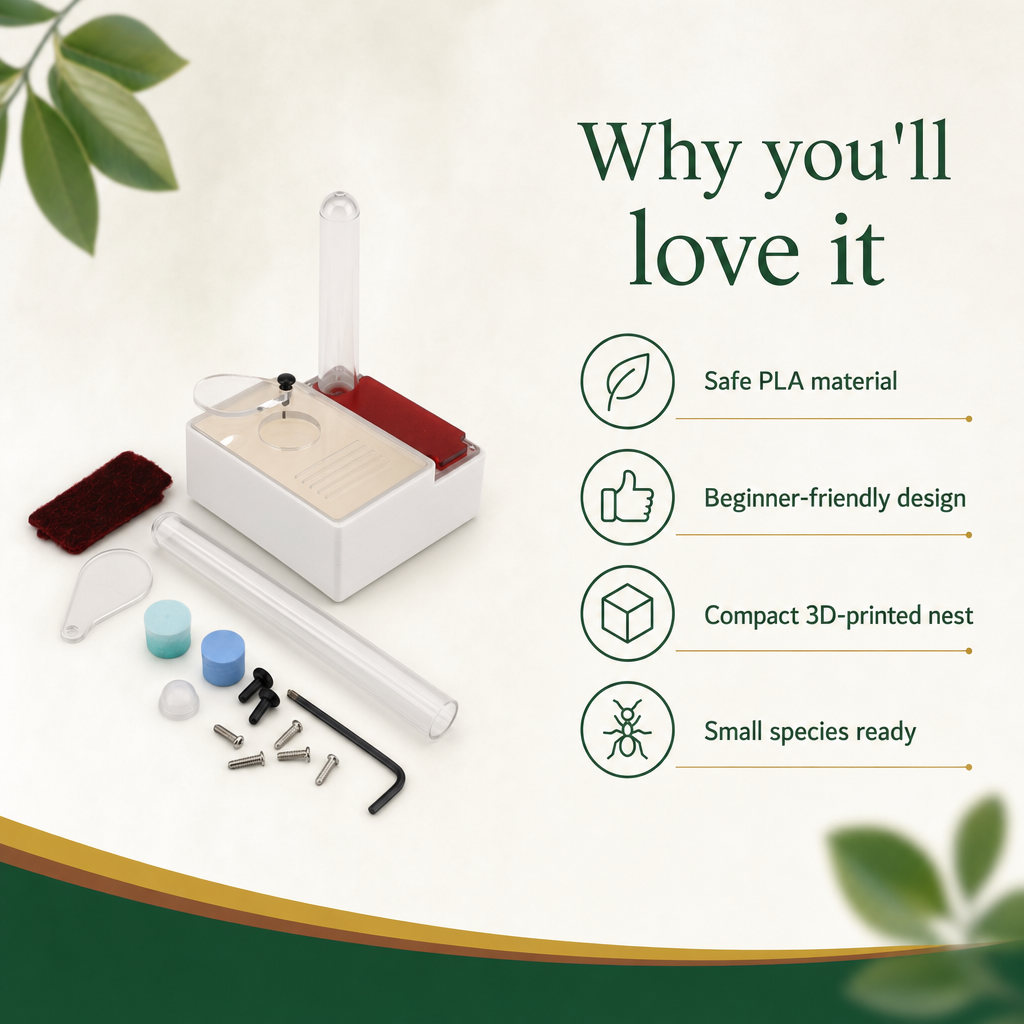
This 3D printed ant farm nest is designed specifically for beginner ant keepers housing small ant species. Built from PLA, a durable and non-toxic 3D printing material, it features a dark interior to mimic natural underground conditions and a pink exterior finish. The nest includes pre-formed chambers and tunnels sized for small colonies. It pairs naturally with a separate foraging arena (not included). If you're just getting started, our beginner's guide to ant keeping walks you through everything before your first setup. Browse the full ant nests collection to compare sizes and formats.
The Real Difference
Your First Nest That Actually Works
Starting ant keeping can feel overwhelming, especially when your setup does not match what your colony actually needs. This 3D printed beginner nest takes the guesswork out of it. The dark interior keeps your queen calm and your workers active, so you watch real colony behavior from day one instead of stressed ants hiding in a corner. It is the confidence boost every new keeper needs.
Build & Materials
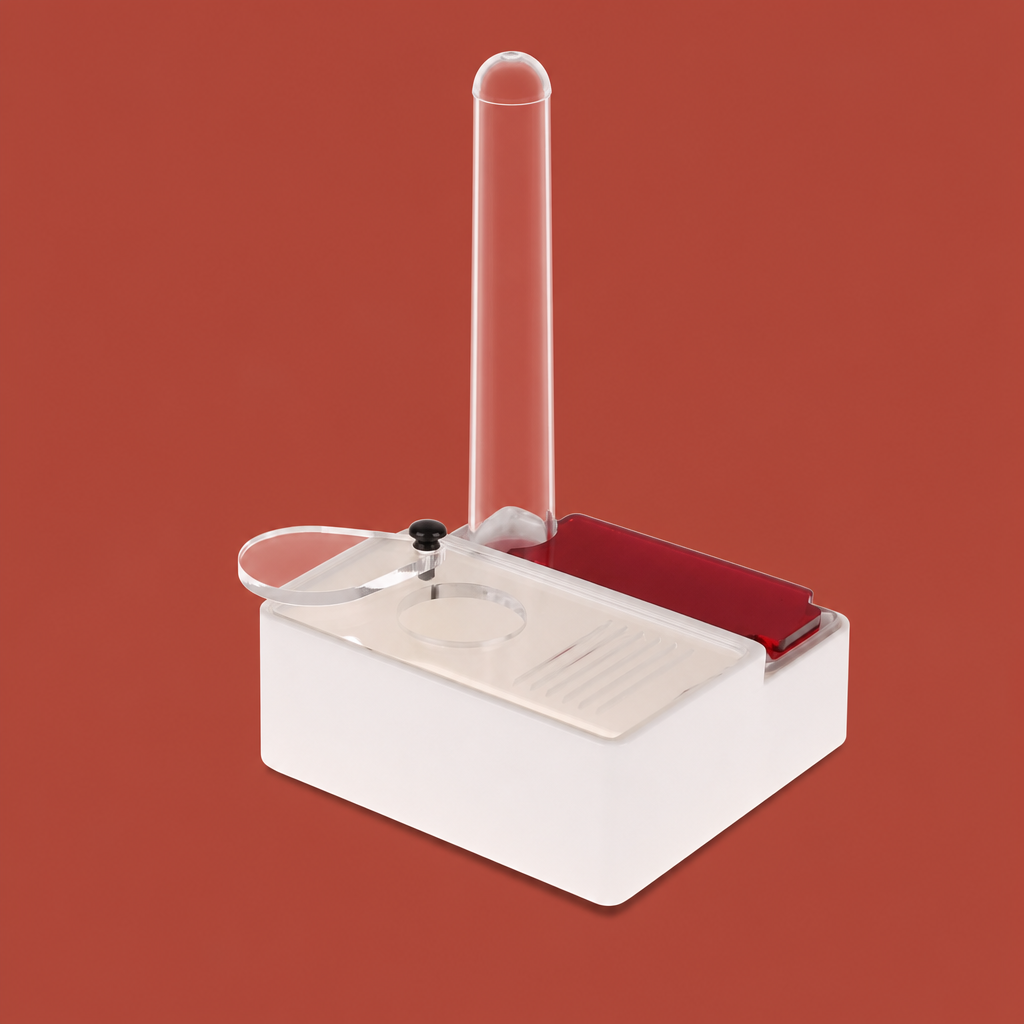
PLA Printed Nest, Dark Inside and Pink Out
Made from PLA, a non-toxic and rigid 3D printing material, this ant farm nest is solid, lightweight and safe for your colony. The dark interior walls recreate the underground darkness ants naturally seek, encouraging them to settle quickly. The pink exterior makes it easy to spot on your desk and gives your setup a clean, distinctive look. Chambers and tunnels are pre-formed, no assembly required.
Picture This
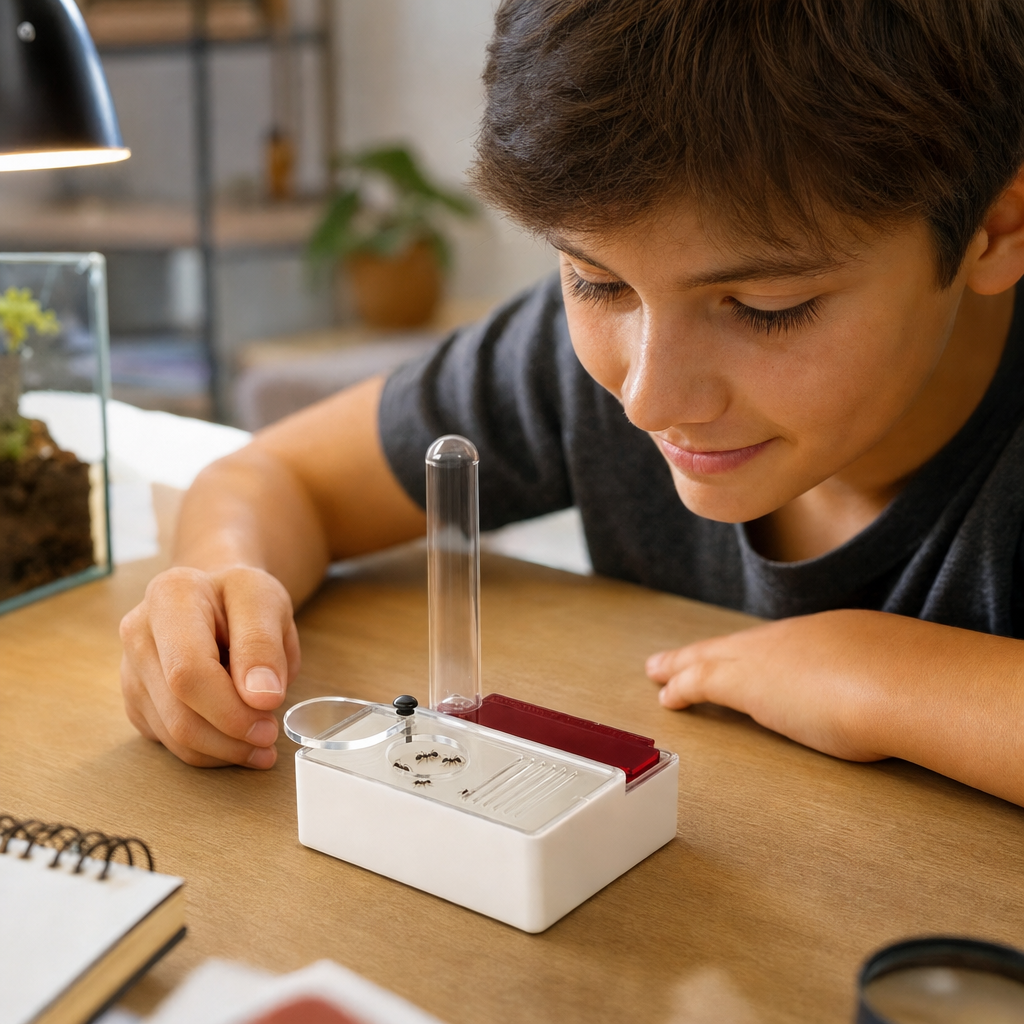
Queen Settled, Workers Already Tunneling
You have just introduced your first Lasius niger queen, the common black garden ant, into the nest. Within hours she is tucked into a chamber, eggs visible through the viewing panel. A week later her first workers are moving brood between rooms. You are watching a real colony organize itself, right on your desk. That is the moment ant keeping stops being a hobby and becomes something you cannot stop thinking about.
Day-to-Day Use
Low Maintenance, High Visibility Every Day
PLA holds its shape and does not warp under normal indoor conditions, so your nest stays clean and stable between waterings. The pre-formed chambers mean no crumbling substrate to replace every few weeks. Because the interior is dark by design, you do not need to cover it with a cloth to keep your colony calm. Less fussing with the setup means more time actually watching your ants do their thing.
FAQ
Your Questions Answered
What ant species work best in this nest?
This nest is designed for small ant species. Common beginner choices like Lasius niger (the black garden ant) or small Camponotus workers fit well in the pre-formed chambers. Larger species with bigger workers may find the tunnels too narrow, so check your colony size before ordering.
Is a foraging arena included with the nest?
No, the foraging arena is sold separately. The nest itself houses your colony's brood and queen. You will need to connect a separate outworld or feeding box so your workers have space to forage and deposit waste away from the nest chambers.
Why is the interior dark? Can I still see my ants?
The dark interior mimics natural underground conditions, which keeps your colony calm and encourages them to stay visible in the chambers rather than hiding. Most 3D printed nests include a transparent viewing panel or lid so you can observe brood and worker activity without disturbing the colony.
Is PLA safe for ants?
Yes. PLA is a non-toxic, plant-based 3D printing material widely used in ant keeping. It does not off-gas harmful chemicals under normal indoor temperatures, making it a safe and popular choice for formicarium construction at the beginner and intermediate level.
Is this nest suitable for a founding queen with no workers yet?
Yes, the nest is sized for small colonies, which includes a founding queen at the claustral stage. The compact chambers actually help a lone queen feel secure. Once her first workers hatch, the colony will naturally begin using the tunnel network as numbers grow.