Ma boutique
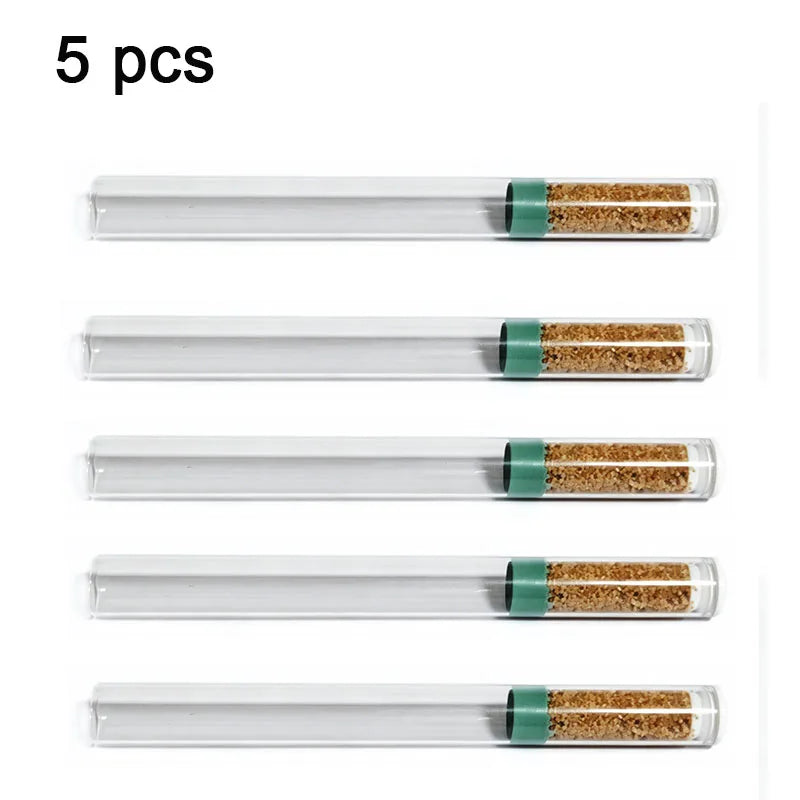
Gypsum Ant Nest Test Tube 15×150mm, 1 or 5 pack
Gypsum Ant Nest Test Tube 15×150mm, 1 or 5 pack
Couldn't load pickup availability
Technical Details
Gypsum Ant Nest Test Tube 15×150mm
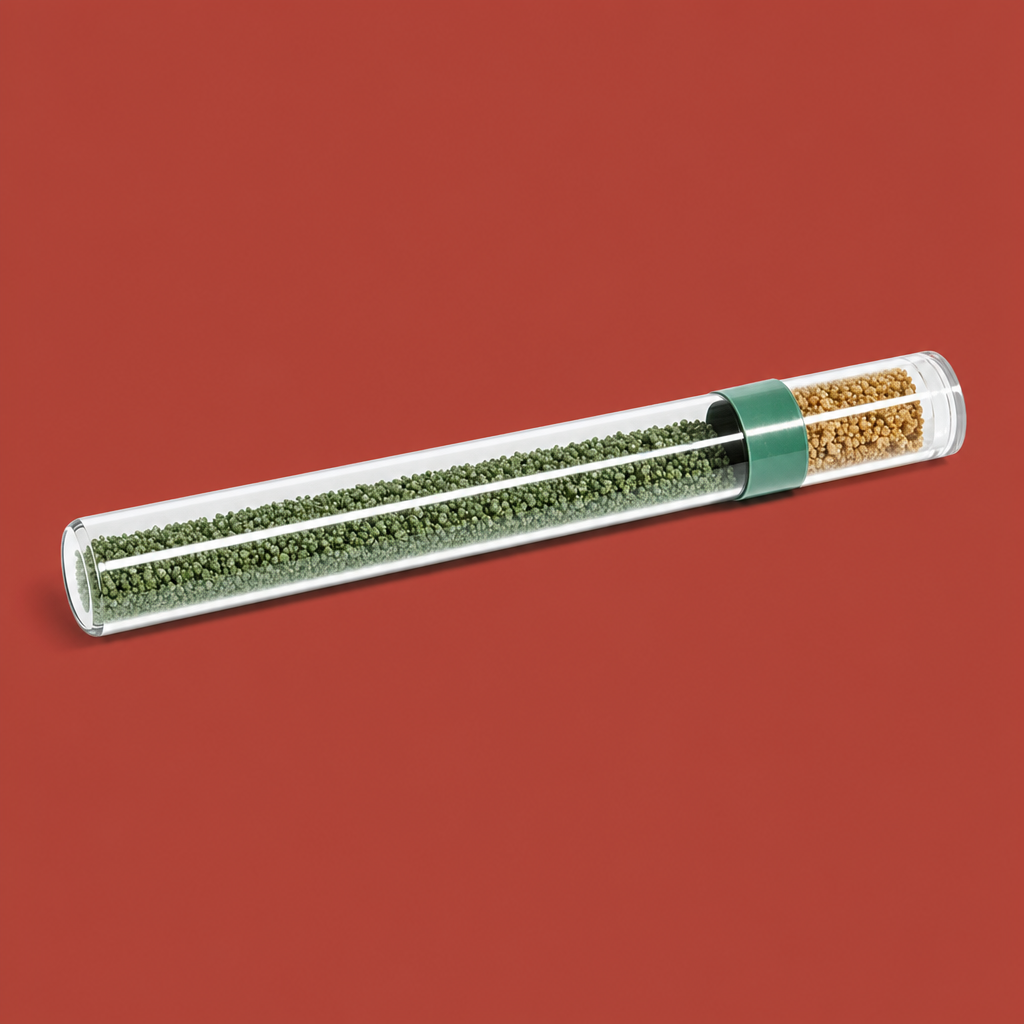
This gypsum ant nest test tube measures 15mm in diameter and 150mm in length, giving a founding queen exactly the dark, humid microclimate she needs during the claustral founding stage. The tube is filled with gypsum (plaster), a porous material that holds moisture naturally and keeps humidity stable without waterlogging. Available as a single tube or a money-saving 5-pack, it works for most common founding species. If you're just getting started, our guide on how to start an ant colony walks you through the full setup step by step.

The Big Change
Your Queen Finally Has a Real Home
A founding queen sealed inside a plain glass test tube is surviving. A queen inside a gypsum test tube nest is thriving. The porous plaster walls breathe, holding just the right humidity around her first eggs and larvae without you having to fuss with cotton or droppers every day. That peace of mind, knowing she has a stable environment from day one, is what this tube is really about.
Product Details
Gypsum Tube Built for Founding Queens
At 15mm wide and 150mm long, this gypsum ant nest test tube hits the sweet spot for most founding queens, from Lasius niger (the common black garden ant) to Camponotus (the large carpenter ants). Gypsum is a naturally porous material, so it absorbs and releases moisture passively, keeping the microclimate inside stable. The 5-pack option means you can set up multiple queens at once or always have a spare ready.

In Action
Drop Her In, Then Step Back
You've just caught your first queen during nuptial flight season. You gently transfer her into the gypsum test tube, add a small water source at one end, and seal it. She moves to the darker gypsum end, curls around her first eggs, and gets to work. You check on her every few days, resisting the urge to disturb her. Weeks later, the first tiny workers appear. That moment never gets old.

Real-World Use
Less Maintenance, More Watching
Keepers running multiple founding queens at the same time love the 5-pack for exactly one reason: consistency. Every tube behaves the same way, holds humidity the same way, and gives each queen the same fair start. No more guessing whether one setup is drier than another. When the colony is ready to move on, you can explore your next step in our full ant nests collection.
FAQ
Your Questions Answered
What ant species can I use this gypsum test tube nest for?
It works for most common founding species that fit comfortably in a 15mm diameter tube. That covers popular beginner species like Lasius niger (black garden ant) and smaller Camponotus queens. Very large queens or very tiny species may need a different tube size.
Why gypsum instead of a regular glass test tube?
Gypsum is porous, so it naturally absorbs and releases moisture, keeping humidity stable inside the tube without daily intervention. A plain glass tube requires more active humidity management. Gypsum does a lot of that work passively, which is especially helpful for beginners.
Should I buy the single tube or the 5-pack?
If you have one queen, the single tube is fine. If you caught multiple queens during nuptial flight season, or want backup setups ready, the 5-pack is the better value. It also lets you run consistent founding conditions across all your queens at the same time.
How do I maintain humidity in the gypsum tube?
Add a small water source at one end of the tube before sealing it. The gypsum absorbs moisture and releases it gradually, maintaining a stable microclimate. Check the water level periodically and top it up as needed. Avoid flooding the tube, as standing water can harm eggs and larvae.
When should I move my colony out of the test tube nest?
Once your queen has a visible group of workers and the colony starts feeling crowded in the tube, it is time to connect a proper formicarium. There is no fixed timeline since it depends on species and conditions, but visible worker activity and space pressure are your main signals.