Ma boutique
Ant Farm Water Feeder - Glass Tower, 12 to 20ml
Ant Farm Water Feeder - Glass Tower, 12 to 20ml
Couldn't load pickup availability
Technical Details
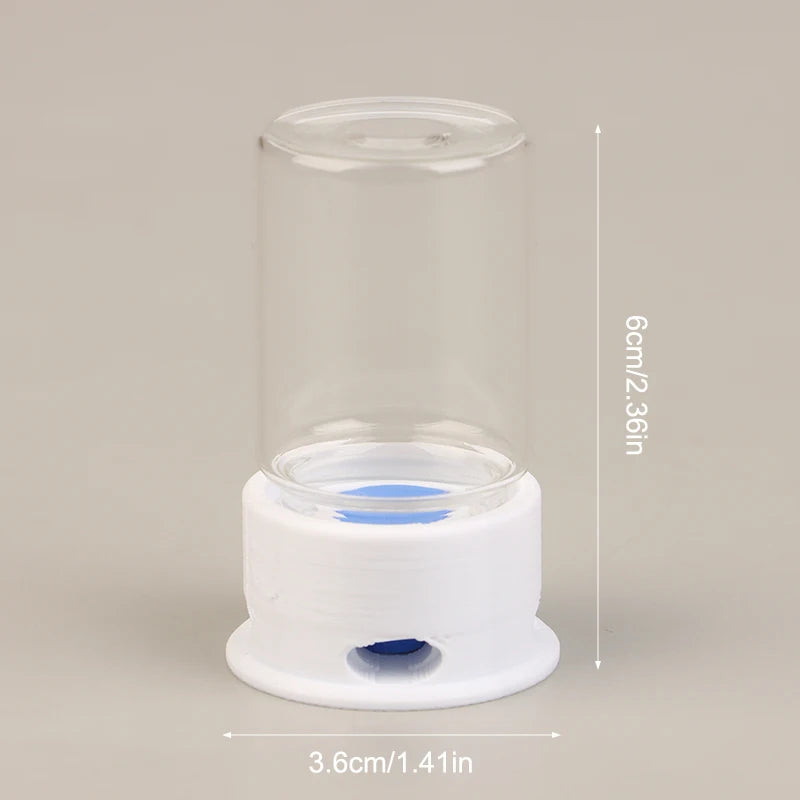
Glass ant farm water feeder tower
This ant farm water feeder is a glass tower designed to deliver a steady, controlled water supply directly inside your formicarium. It holds between 12 and 20 ml depending on the variant you choose, making it suitable for small to medium colonies. The glass construction keeps the reservoir visible at all times so you always know when to refill. Pair it with your existing ant nest setup for consistent hydration without flooding tunnels or chambers. Check our ant keeping humidity and temperature guide to dial in the right moisture levels for your species.
The Big Change
No more flooded tunnels, ever again
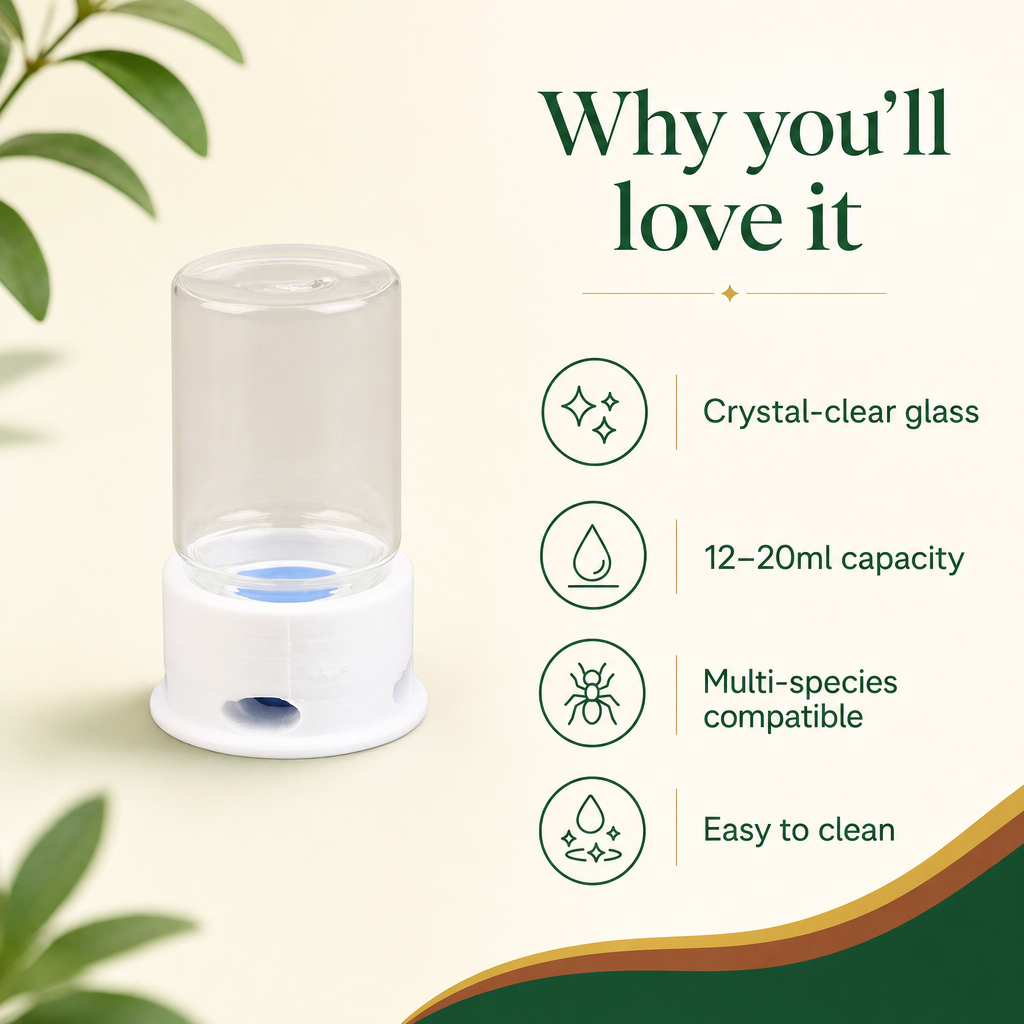
Every keeper has done it once: added a few drops too many and watched the whole nest turn into a muddy mess. This glass water feeder tower changes that. It delivers moisture at a controlled pace, keeping your colony's living space at the right humidity without the guesswork. Your ants stay comfortable, your tunnels stay intact, and you stop stressing every time someone needs a drink.
Product Details
Glass tower, clear capacity, real control
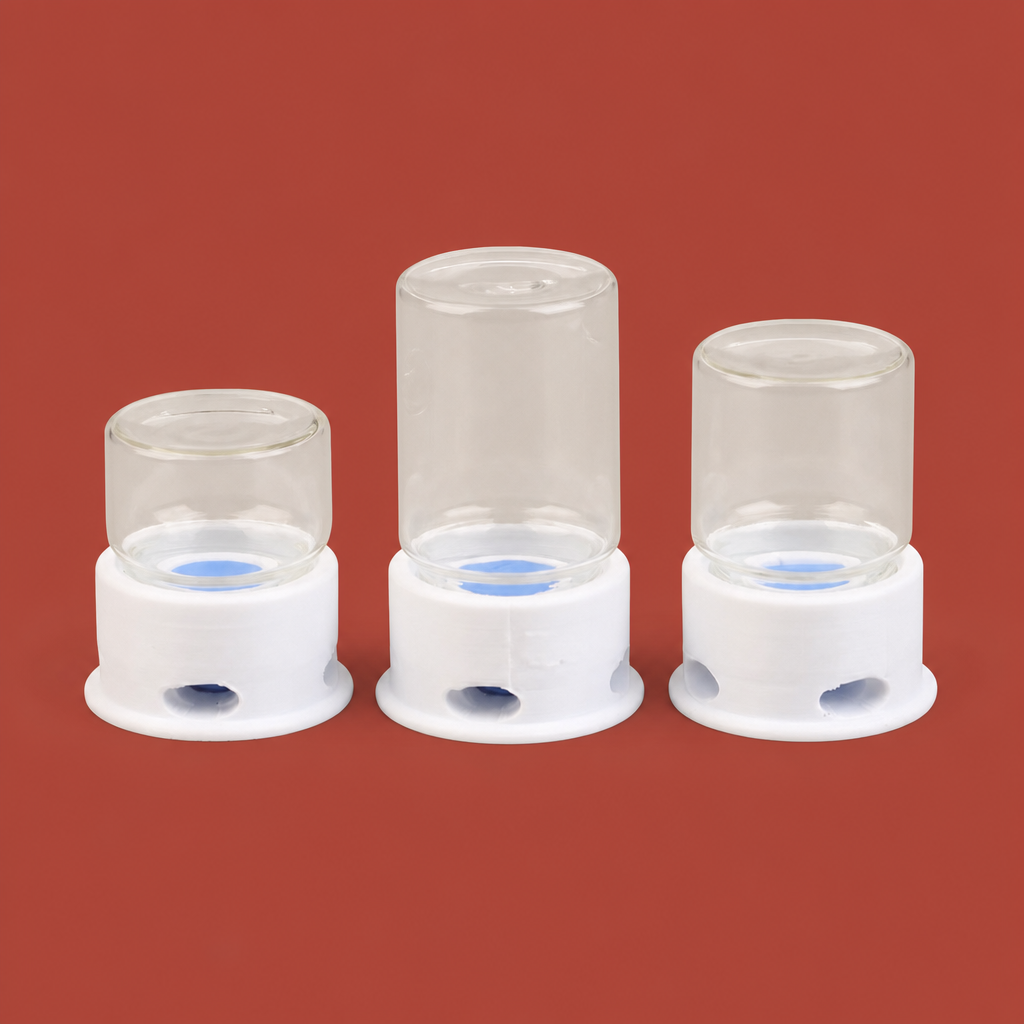
The feeder is made entirely of glass, which means no plastic taste, no clouding over time, and a completely transparent view of your water level. You pick the size that fits your colony: 12 ml for a founding setup or a small Lasius niger group, 20 ml when your Camponotus or Messor barbarus (the seed-harvesting ants) colony has grown and needs more reserve. Simple, honest construction that does exactly one job and does it well.
In Action
Fill it once, watch your colony thrive
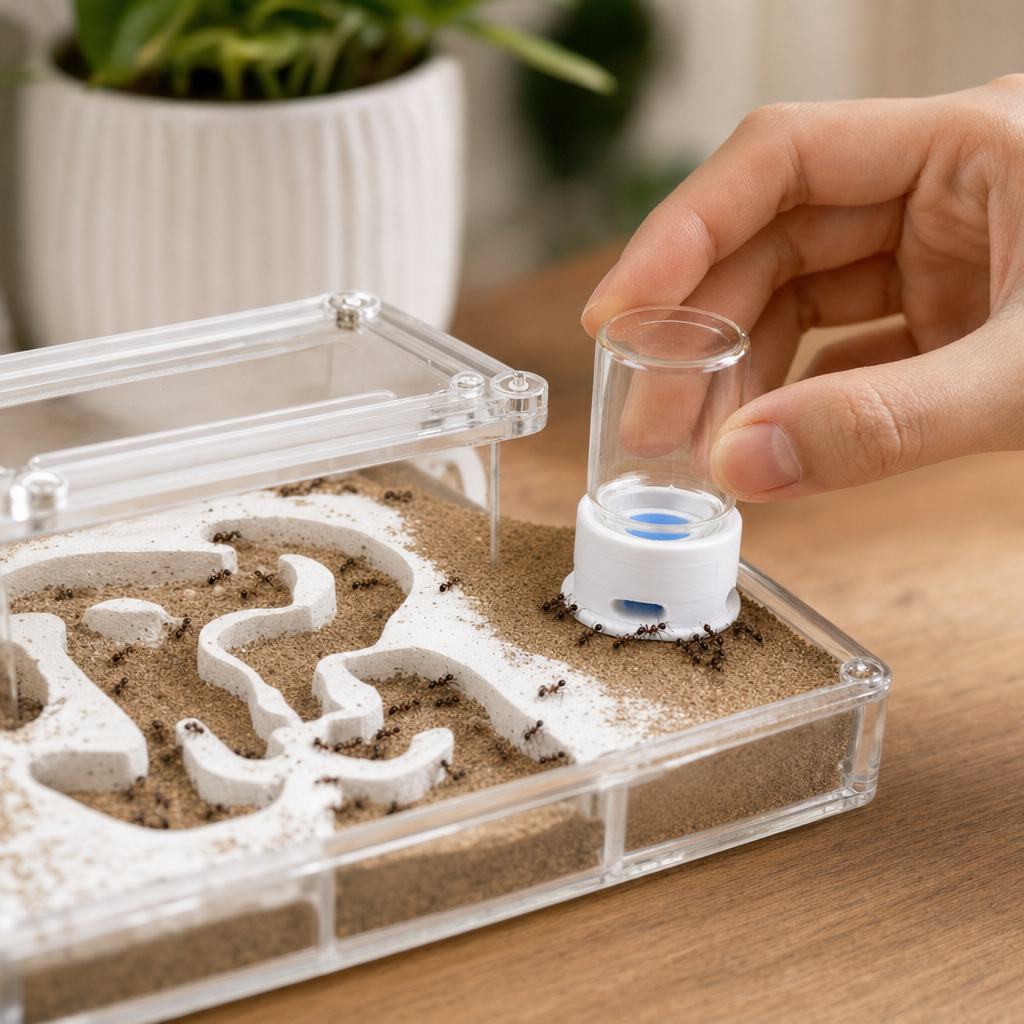
You fill the glass tower, position it at the water port of your formicarium, and that is it. Workers will find it quickly and begin regulating moisture inside the nest on their own terms. You can see the water level through the glass at a glance during your daily check-in, so there are no surprises. It fits naturally into the routine of any keeper who already uses a quality ant nest with a dedicated water zone.
Field Test
Practical hydration for the long haul
Glass does not absorb odors, does not stain, and is easy to rinse clean between refills. Because you can see exactly how much water remains, you build a reliable refill rhythm instead of guessing. Keepers running multiple colonies especially appreciate this: a quick visual scan tells you which feeder needs attention today. It is a small accessory that removes a surprisingly common source of daily colony stress.
FAQ
Your Questions Answered
What size should I choose, 12 ml or 20 ml?
Go with 12 ml for a founding queen or a small young colony that does not consume much water yet. Choose the 20 ml version once your colony has grown and you want a larger reserve between refills. Both sizes work with the same glass tower design.
Is the feeder made of real glass or plastic?
It is made entirely of glass. That means the reservoir stays crystal clear over time, does not absorb odors or residue, and is easy to rinse clean. You can always see exactly how much water is left without removing anything from the setup.
Which ant species is this feeder suitable for?
It works for any ant colony kept in a standard formicarium setup. Whether you keep Lasius niger (the common black garden ant), Camponotus, or Messor barbarus (seed-harvesting ants), the feeder provides a steady water source as long as it fits your nest's water port.
How do I clean the glass water feeder tower?
Rinse it with clean water between refills. Glass does not retain odors or stain the way plastic can, so a simple rinse is usually enough. Avoid soap residue, as ants are sensitive to chemical traces near their water source.
Can I use this feeder with any ant farm or formicarium?
It is designed for use with ant farm and formicarium setups that include a dedicated water zone or port. Check that your nest has a compatible opening before ordering. It pairs naturally with most standard formicarium designs available in the hobby.