

How to start an ant farm for beginners
Watching a live ant colony dig tunnels behind glass is a hobby many people start at home. But the colony is a living animal, with its own needs and legal rules.
Without a plan, beginners lose their colony or break French law. This article shows you how to start, from choosing ants to keeping them healthy.
Choosing a queen and a species you can keep
Why a queen-right colony matters
Choose a colony with a queen if you want it to grow. Worker-only colonies cannot produce new workers.
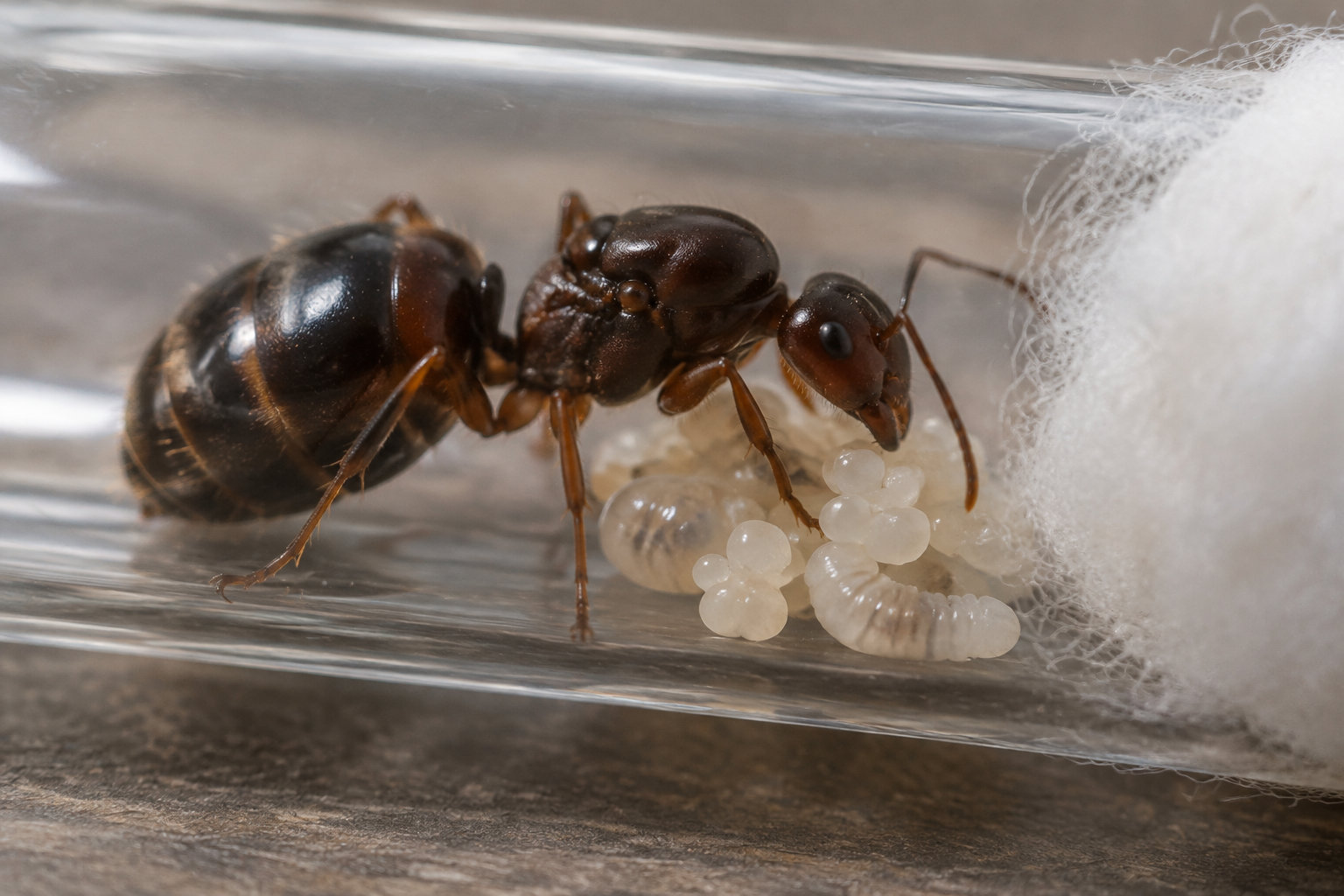
Messor barbarus suits beginners: it eats seeds, a simple diet, and it is native to southern France and the Mediterranean.
A young colony takes 2 to 3 months to produce its first workers. For setup and timing, read the beginner’s guide to ant keeping.
Where to get ants legally in France
Two French sellers offer Messor barbarus colonies, in different sizes and at different prices.
| Criterion | Seller 1 (France) | Seller 2 (France) |
|---|---|---|
| Colony size | 1 queen with 2–10, 15–25 or 35–50 workers | 1 queen with workers |
| Price | €19, €26 or €35 | From €29 to €79 |
When the queen arrives, check that her wings are shed and that eggs or brood and a moist water cotton plug are in the tube.
Look up the exact species name in French rules before you buy or collect any ant.
EU-listed invasive species cannot be kept, bred, transported, sold, bought or released, unless a permit allows it for limited purposes and secure containment.
Never release captive ants outdoors, even if they came from nearby.
Setting up the nest, outworld and escape barriers
The founding test tube
A formicarium has three parts: nest, foraging area and safe water source.
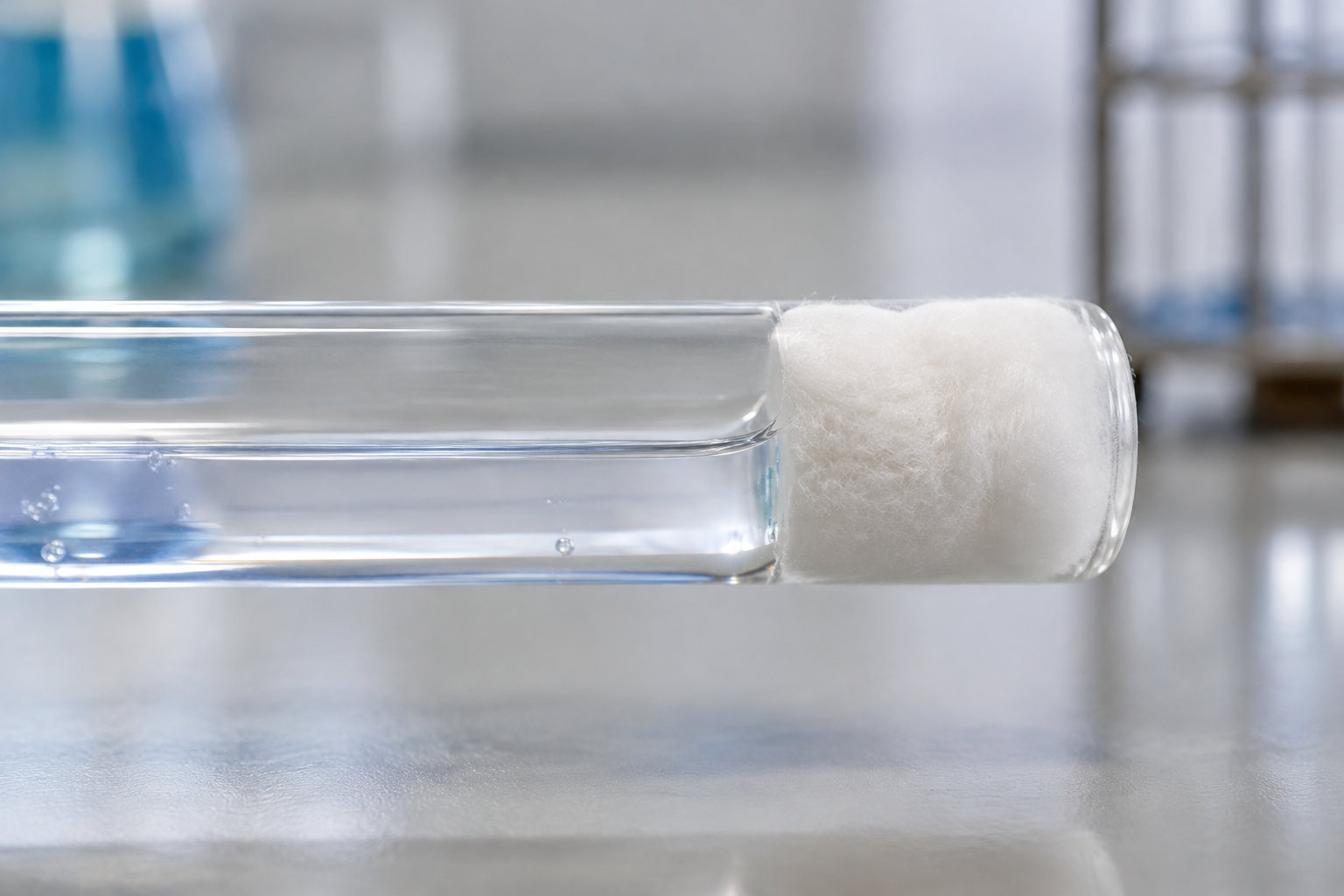
Start a founding queen in a dark, still 150 mm test tube with 35–50 mm of water behind a firm cotton plug and a loose plug at the entrance.
When workers hatch, pick the nest size that fits them, and choose a natural soil mix for the nest.

The full nest and outworld
Once workers appear, connect the outworld and size the nest to them:
- Pick a nest that fits the colony, not a large empty one.
- Messor barbarus needs a moist brood area and a dry seed store.
- Check every tube joint and opening, and coat the foraging walls with PTFE or petroleum jelly.
- Cover the nest to stay dark, leaving a safe air gap.
Pick a starter kit
Take the S21 for a founding queen
The S21 (174 × 50 × 176 mm) holds a founding queen and about 50 workers.
Buy the ants separately
It comes as an enclosure only. Check the species first: Lasius niger, Formica fusca, small Camponotus queens.
Pick the sand farm to watch tunnels
The Ant Castle Sand Farm Kit has 24 cm glass walls.
Feeding, watering and keeping the right temperature
Food and water routine
Keep drinking water available at all times, in a safe feeder or a test tube filled with water and plugged with cotton.
Workers need sugar, or carbohydrates, for energy, while larvae need protein to grow. So offer both kinds of food. For a nest layout that keeps water and food within easy reach, see the formicarium setup guide.
Feed sugar water two or three times a week, and remove leftovers within 24 to 48 hours.
Add a few fruit flies or cricket pieces on the same days, about one insect per 10 to 20 workers.
Messor barbarus eats mostly seeds, so keep a small supply in a dry area. Its workers store seeds in dry chambers, and damp seed spoils.
Temperature, humidity and light
Messor barbarus climate
Day and night temperature
- Day: 24–28°C
- Night: 19–25°C
- During active growth only
Humidity
- Keep one corner humid
- Seed storage stays dry
Light
- Keep out of direct sunlight
- Low light, never strong sun
Winter rest
- 45 days at about 12°C
- Stay between 10°C and 18°C
Keeping the colony healthy and growing
Run this check regularly, before mould and mites appear:
- Look at the water, food, lid and escape barriers.
- Remove leftover food within 24 to 48 hours, and keep new food in the outworld, not the nest.
- Take out dead insects and uneaten food, since mould grows when food sits too long.
- For the humidity your eggs and larvae need, read the egg to adult timeline.
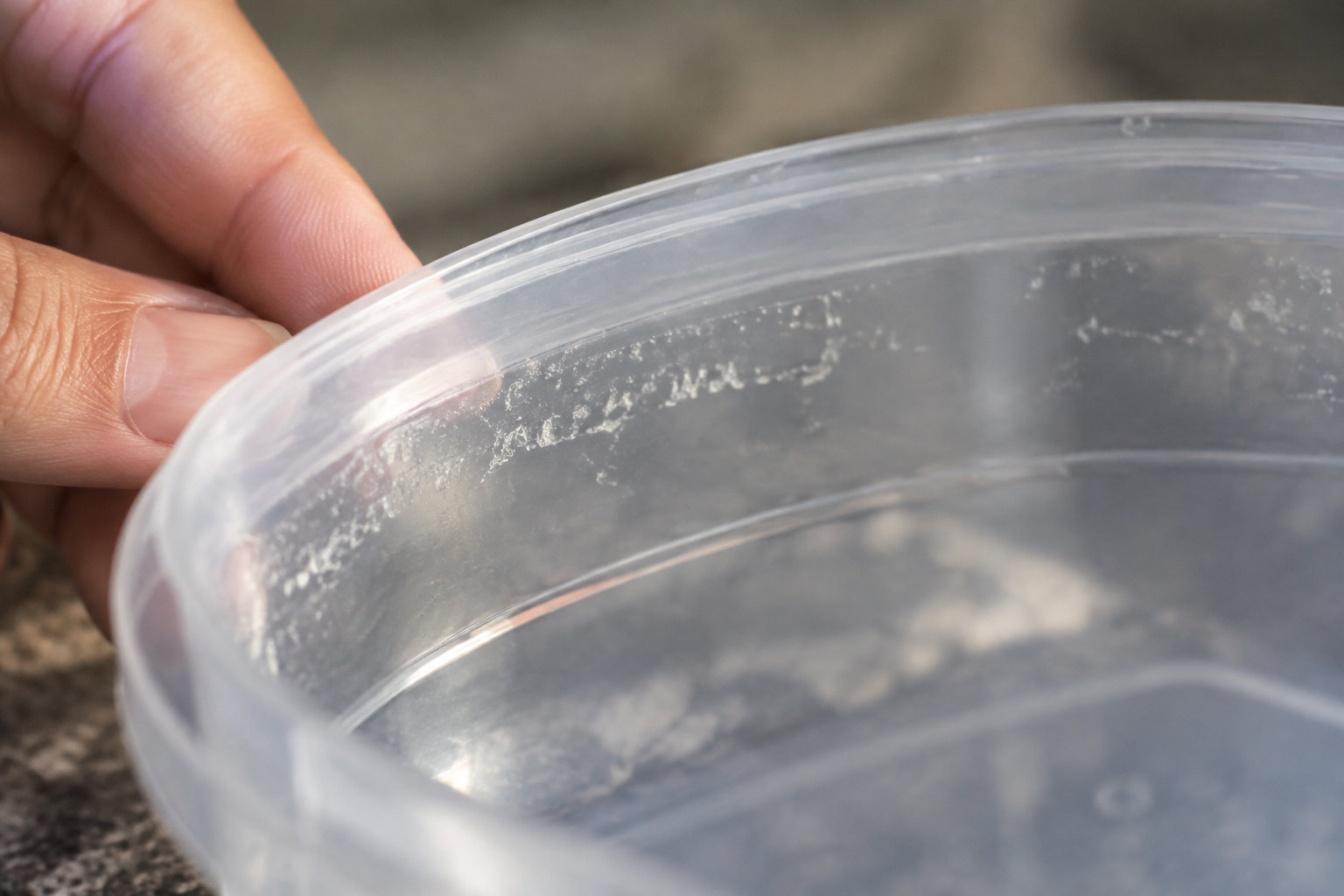
Escape and growth checks
- Check the lid, tube fittings and escape barrier.
- Replace worn coatings or tighten loose joints.
- New eggs, larvae and workers mean the colony is growing.
- If growth stalls, check the queen’s age, how often the ants are disturbed, and whether a protein-eating species gets enough protein.
- Keep founding queens in a dark, quiet place.
Mistakes beginners make when moving and expanding the colony

Don’t pour the colony: connect the tubes, and for the basics and common errors, see ant farm vs formicarium and ant keeping mistakes:
- Fit the old tube to the new nest, then let the ants walk over.
- Keep the new nest dark and moist, and make the old tube brighter and drier.
- Leave it connected for a day or two, since the queen may follow later.

Common errors
What works
Plan a bigger nest when workers crowd the walls.
What to avoid
Keep the colony in the S21 past about 50 workers.
What works
Wait for workers before feeding a founding Messor barbarus queen.
What to avoid
Put food in the founding tube at once, where it spoils.
What works
Remove uneaten food from the nest and outworld.
What to avoid
Leave uneaten food to spoil in the nest.
Staying safe, legal and responsible
Bites, stings and handling
Identify the species before handling the colony. Messor barbarus can bite, and some ants can sting, so handle the nest with care. Wash your hands before and after any contact.
Keep the lid closed and place food with tools, not bare fingers. Keep children away from loose ants. For long-term habits, see how to maximise ant farm lifespan.
After a sting, expect pain, redness, swelling or itching. Wrap a cold pack in a cloth and hold it on the spot to ease the pain and swelling.
Call emergency services at once if you have trouble breathing, wheezing, or an itchy rash across your body. If you have a prescribed adrenaline pen, use it as directed and call them straight away.
Legal and environmental rules
Check the species in the official annex first. In France, possessing, transporting, selling or buying a live species marked with an asterisk is prohibited.
Never release captive ants outdoors or carry non-native ants into the wild.
EU-listed invasive species cannot be kept or transported without a permit, and releasing them is banned.
Start with a colony that has a queen, and check the exact species in French rules before you buy. Those two points decide whether the colony grows and stays legal.
Next, pick a species that is legal to keep, set up a test tube with water and cotton, and wait for the first workers before adding a nest.
FAQ
Should I remove dead ants from an ant farm?
Yes. Remove dead ants from the outworld with tweezers, and take out uneaten food at the same time, since both feed mould and mites.
Do it during your regular check, so a dead ant never sits in the enclosure for long.
Is it ethical to keep ants in an ant farm?
Yes, as long as you keep it properly. That means a colony with a queen in a nest that suits it, with water and food available, and no captive ants released outdoors.
Each of these points is a condition, not an extra.
How many ants do you put in an ant farm?
Start with one founding queen, then add workers up to what the nest can hold.
The Ant Farm Terrarium Kit S21 from The Formicarium is sized for one founding queen and up to about 50 workers. Past that, the colony needs a bigger nest.
Are ant farms hard to keep?
Not really, if you pick the right species. Messor barbarus is listed as an easy species to keep, but it still needs water, seeds, a dry store for them, and a humid area for the eggs and larvae.